


Implications of Auto Manufacturers Renting Cars
Should car rental companies be worried?

Audi, BMW, Mercedes, Fiat Chrysler, General Motors and Ford, to name a few, are implementing a wide range of programs that directly put potential customers behind the wheels of their vehicles on a temporary basis.
The initiatives vary from well-established carsharing programs such as Daimler’s car2go and BMW’s DriveNow to high-end programs such as Mercedes-Benz Rent and Audi on demand, to peer-to-peer platforms such as General Motors’ investment in Flinc and CarUnity.
The largest initiative, Ford’s Peer-2-Peer Car Sharing program, allows 14,000 customers in seven cities to rent their Ford Credit-financed vehicles for short-term rentals.
What’s driving the creation of these programs? As auto manufacturers see changes in the way people use vehicles, they’re looking to connect their brands directly to potential customers in new ways. The key word is mobility; the key phrase is “vehicle access over ownership.” Automakers are planning for a future with increased urban congestion, autonomous driving and a buying public that doesn’t see owning a vehicle in the same way their parents did.
While the use cases vary somewhat from traditional leisure and business car rental, the idea that auto manufacturers are moving the chess pieces themselves has some heralding a market disruption. After Ford announced its peer-to-peer program in June, Avis and Hertz’s share prices fell.
Perhaps a little history will shed some light on how far the manufacturers would go in establishing a direct-to-consumer rental model. At various points from the late 1980s and through the mid-2000s, Ford, General Motors and Chrysler each had a stake in the largest car rental companies: Hertz, National, Budget, Dollar and Thrifty.
At the time, the manufacturers saw in car rental companies another outlet for new cars, especially in an era when factory labor was paid contractually, whether a car was produced or not. But it didn’t end up an easy fit.
“They [auto manufacturers] were on both sides of the transaction,” says Bill Plamondon, president of Advantage Rent a Car, who was president and then CEO of Budget from 1992 to 1997. “They not only had to worry about the rental car companies making money, they had to worry about the economic value of the sales they made to the rental companies.”
That era saw the beginning of guaranteed depreciation programs (“program cars”), over-production and an industrywide drop in vehicle depreciation. Plamondon says that when labor contracts began to be restructured, the manufacturers started getting out of car rental.
The market is different today, and everyone involved in fleet management is a lot smarter on how vehicles are disseminated into the marketplace. So what’s stopping the auto manufacturers from getting back in? The layman underappreciates rental companies’ mastery of fleet management, honed through generations of hands-on experience.
“It’s going to cost them [the manufacturers] a whole lot of money to build a network and manage it,” Plamondon says. “It’s completely different than managing the building of cars.”
Moreover, the management of rental vehicles also entails selling them, another area of expertise that history shows would be best left to franchised dealer networks and other outlets, Plamondon says.
But this isn’t time for car rental companies to breathe a sigh of relief that their business model has an impassable moat around it. For the programs with partners, the manufacturers have bypassed car rental companies in favor of much smaller “mobility providers.”
While these services vary greatly, none of them involve a rental counter and vehicles behind chain-link fences. They all have one thing in common — they’re driven by cutting-edge technology.
To be sure, the major car rental companies are actively pursuing mobility initiatives internally, specifically through their carsharing divisions such as Enterprise Carshare or Avis’s Zipcar. Enterprise recently purchased carsharing technology provider Metavera.
Nonetheless, car rental needs to be aware that the smartphone app is now the center of the universe. While the auto manufacturers aren’t ready to command and conquer the universe of traditional car rental, their recent initiatives reveal how the world’s largest transportation companies see the future of mobility.
More Blog Posts
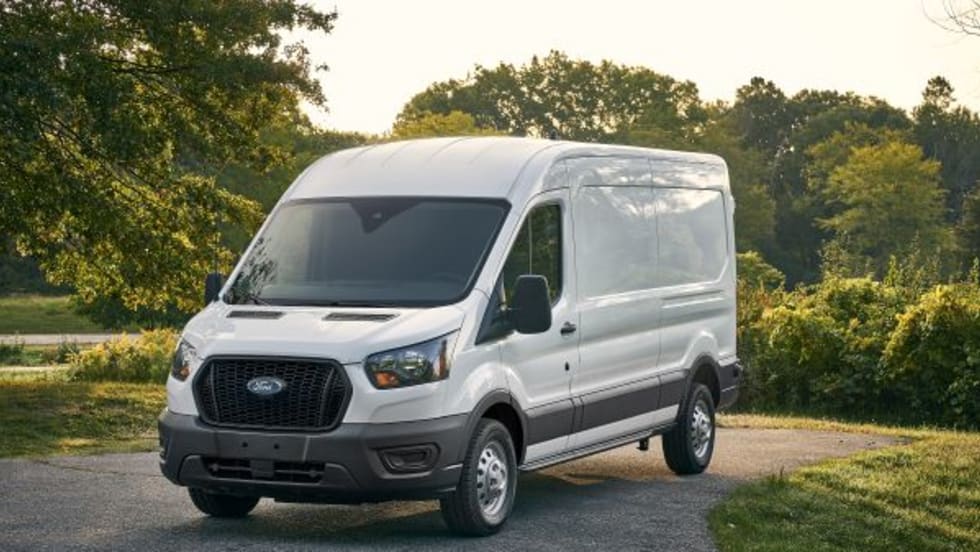
2021 Ford Transit Offers Versatility for Fleets
For the 2021-MY, Ford made ergonomic enhancements for drivers and added an available Parcel Delivery Package. This follows a major refresh in 2020, which added a Crew version, a new standard engine, standard active safety technologies, and embedded telematics to the Transit van family.
Read More →
Recognizing the Other Essential Drivers
Vocational and business fleet drivers don’t get the attention that truckers do. Yet they too are on the front lines, and their jobs often bring them into uncontrolled environments every day.
Read More →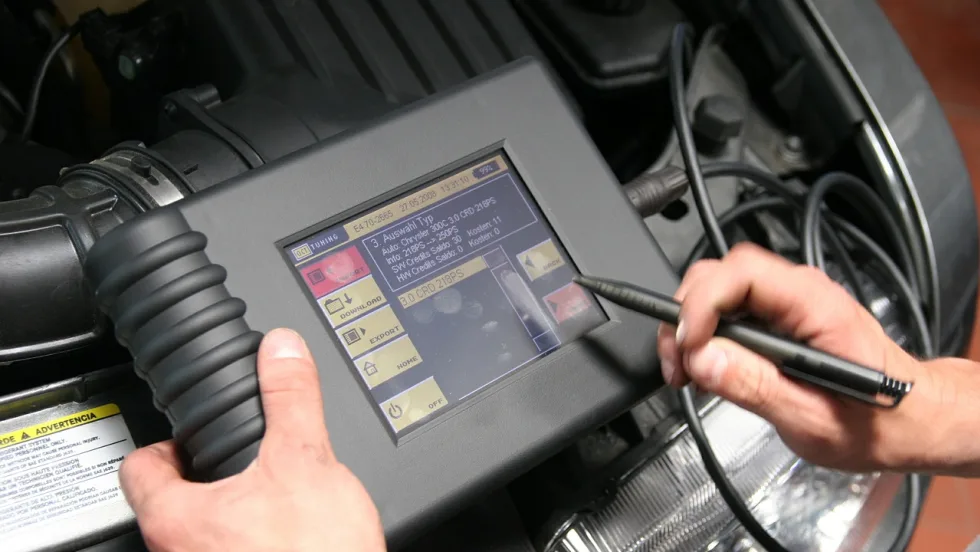
It’s Time to Formulate an ADAS Game Plan
As proliferation of Advanced Driver Assistance Systems (ADAS) increases, skilled labor, equipment, and training costs will increase as well. Fleet operators can’t mitigate these financial burdens by cutting corners on ADAS recalibration and repairs.
Read More →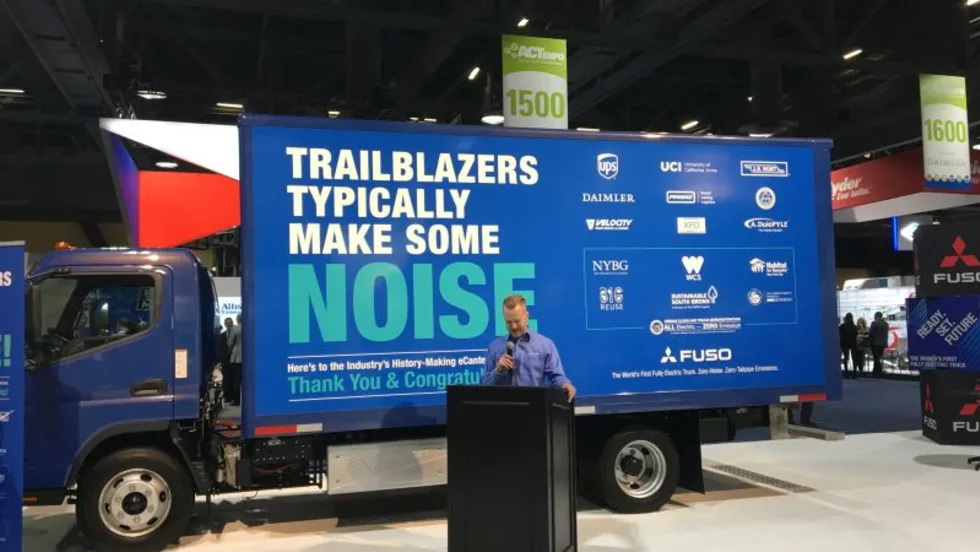
The Future is Electric, But…
With an increasing emphasis on emissions reductions mandates, will fleet operators get caught between clean technologies on their way out and an electric future that hasn’t yet arrived?
Read More →
6 Trend Lines from the 2019 Work Truck Show
From giant leaps in torque and towing to heavy duty truck personalization and chassis cab styling, these trends emerged from this year’s Work Truck Show in Indianapolis.
Read More →
They’re Coming for Your Diesel
In Southern California and other parts of the world, regulators are coalescing to ban, or severely curtail, diesel vehicles. There’s a growing disconnect with the mandates to green the environment and the availability of products and technologies to get us there.
Read More →
Hey Cannabis Companies, Welcome to Fleet
An industry is forming, and it needs help with fleet. In the meantime, the fleet industry should know that these new businesses are navigating extraordinary circumstances, which is forcing them to be better fleet operators pretty darn quick.
Read More →
Takeaways from the Fleet Forward Conference
Most attendees — from established fleets and vendors to new players that were only formed five years ago — didn’t know anyone. But that’s exactly the point.
Read More →
Is it Time to Rethink How Drivers Are Paid?
With the ELD rule affecting miles driven, and drivers’ duties increasingly including more than just driving the vehicle, what can be done to more accurately and fairly reflect a driver’s workday?
Read More →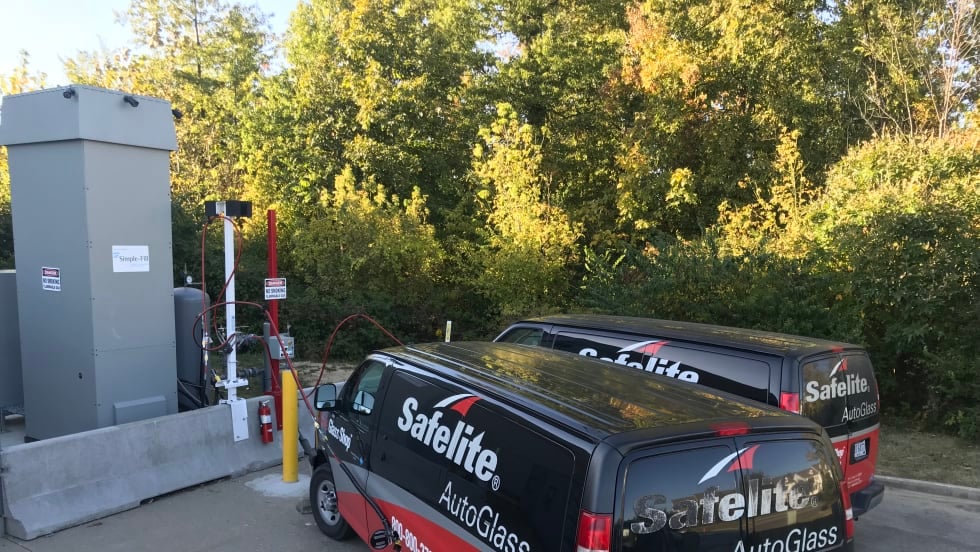
Whatever Happened to CNG?
While the light-duty market for compressed natural gas vehicles has almost evaporated, new near zero emissions technology and drastic reductions in infrastructure costs have reinvigorated the market for medium- and heavy-duty applications — even for smaller fleets.
Read More →