


Is It Time for a Renter’s Damage Bill of Rights?
Some say the renter is already privileged to drive the rental vehicle. But self-regulation could offer a buffer against legislative overreaction.

Rental cars get damaged, and when they do, someone has to pay: an insurance company, the renter or the car rental company. While the great majority of damage claims are processed without incident, any car rental company will share the uneasy fact that some customers who damage vehicles will try everything in the book to get out of the claim. Car rental companies hold the line where they can, but some claims, you just have to eat.
That’s why it chafes car rental operators to see those damage-claims-gone-bad articles getting so much attention in the media. Heck, when the system goes right it isn’t news.
But the reverberations from those articles seem to have intensified. I can’t tell you if this signifies a problem in the industry, if I’m just more on the lookout for them, if the internet has accelerated the exposure of bad claims or if more consumer rights watchdogs are looking for them. That is a question that is virtually impossible to answer. But if it ends up in the media, it is therefore a problem. And stories like this damage claims investigation in Vancouver play into every consumer’s fears.
So when Sharky Laguana, owner of San Francisco-based Bandago Van Rentals, came to me with an idea to institute a so-called Renter’s Damage Bill of Rights, I listened.
My first reaction was this: It is a privilege to rent a car, and the renter must abide by the rules in the contract. Why would a car rental company give the customer an inch on damage claims knowing full well some will take a mile? Why offer the impression that the industry has a problem to begin with?
As a renter of vans to rock bands, Laguana processes an inordinate number of damage claims, and they often turn into frustration based not on actual policies but on an alarming level of vitriol and distrust directed toward car rental companies. “What strikes me, over and over, is how little faith consumers and insurance carriers have in our integrity,” he wrote. “We are always, in their eyes, guilty until proven innocent.”
Laguana suggests that the industry adopt a universal best practice guideline for processing damage claims using input from all stakeholders: car rental operators, insurance carriers and consumers. Whatever the guideline is called, it would be a simple “plain English” statement to show consumers what to expect.
Laguana is not in this to acquiesce. He feels that an established set of guidelines will lessen arguments with clients and carriers, saving both time and money for all involved. “All this bad faith is emotionally draining,” he wrote. “I like being the good guy. I think everyone else does too.”
And he thinks the issue of damage claims has wider ramifications.
“My fear is that if we wait for consumers to resolve these issues we will once again be negotiating from a position of weakness, and wind up with yet another set of one-sided laws and regulations that don't even attempt to take the operator’s perspective into account,” he wrote.
I brought this to the attention of Leslie Pujo of LaPlaca Pujo PC, and she concurs that the industry could put itself at a disadvantage if it does not take the lead to address serious consumer concerns. Both Pujo and Laguana cite state legislation governing CDW, loss-of-use and GPS tracking that resulted in legislative (over)reaction regarding abusive actions by single operators.
Pujo points out that many industries self-regulate successfully, citing the film industry through MPAA and the guidelines put forth by ISO and ANSI for general and technical business standards.
Pujo also offers caution on self-regulation: “The key for successful self-regulation — it must be meaningful and offer serious solutions to issues encountered by the industry,” she wrote. “… Otherwise, the industry runs the risk of being accused of offering ‘window-dressing’ or fluff and ultimately subjected to regulations imposed by legislators who do not understand the impact on operations.”
If a Renter’s Bill of Rights has any legs, the devil is in the details, of course. Getting car rental companies on the same page on anything is like herding cats. And then, would the guidelines get any teeth? Would renters have an opportunity to air grievances in front of a non-partisan committee? How would this be governed, and who would pay for it?
These questions would be answered further down the line. For now, it’s just an idea looking for a forum. Let the conversation begin.
More Blog Posts
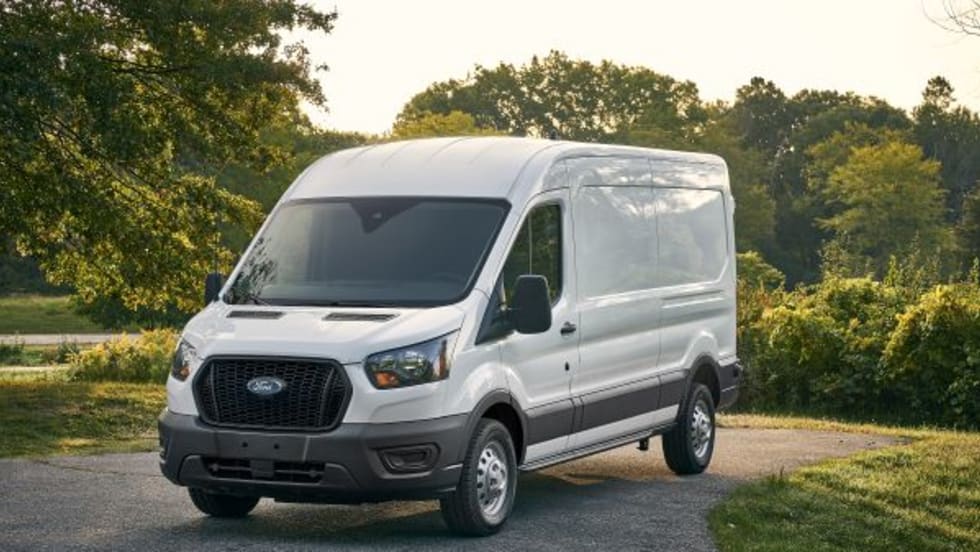
2021 Ford Transit Offers Versatility for Fleets
For the 2021-MY, Ford made ergonomic enhancements for drivers and added an available Parcel Delivery Package. This follows a major refresh in 2020, which added a Crew version, a new standard engine, standard active safety technologies, and embedded telematics to the Transit van family.
Read More →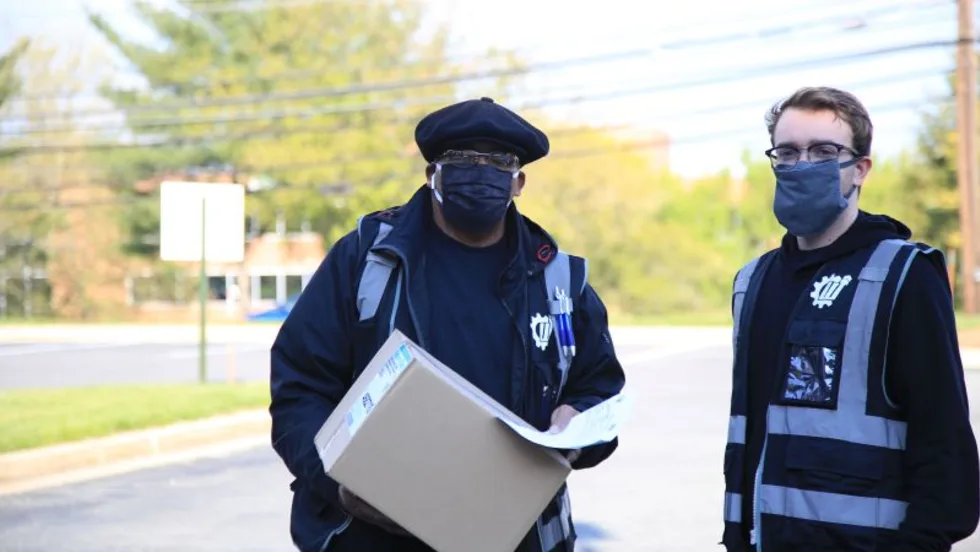
Recognizing the Other Essential Drivers
Vocational and business fleet drivers don’t get the attention that truckers do. Yet they too are on the front lines, and their jobs often bring them into uncontrolled environments every day.
Read More →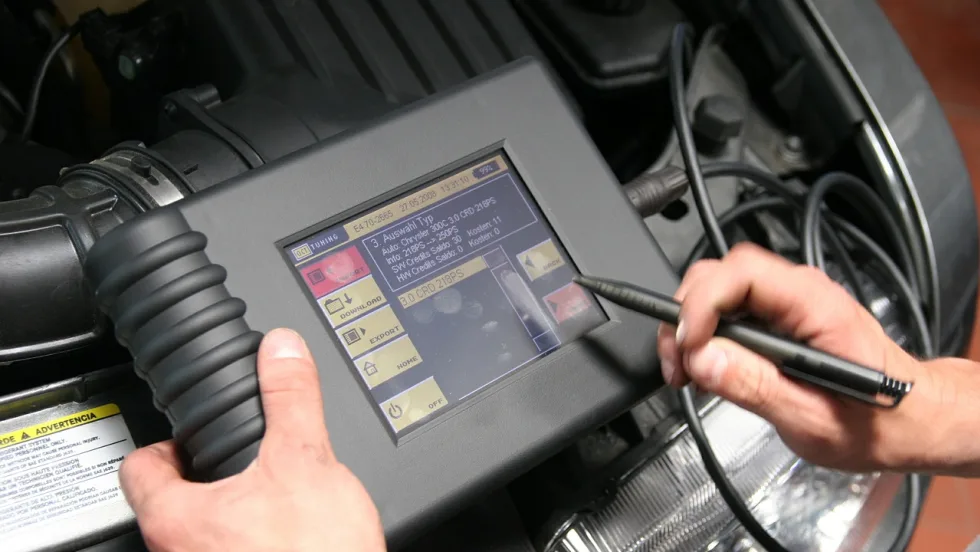
It’s Time to Formulate an ADAS Game Plan
As proliferation of Advanced Driver Assistance Systems (ADAS) increases, skilled labor, equipment, and training costs will increase as well. Fleet operators can’t mitigate these financial burdens by cutting corners on ADAS recalibration and repairs.
Read More →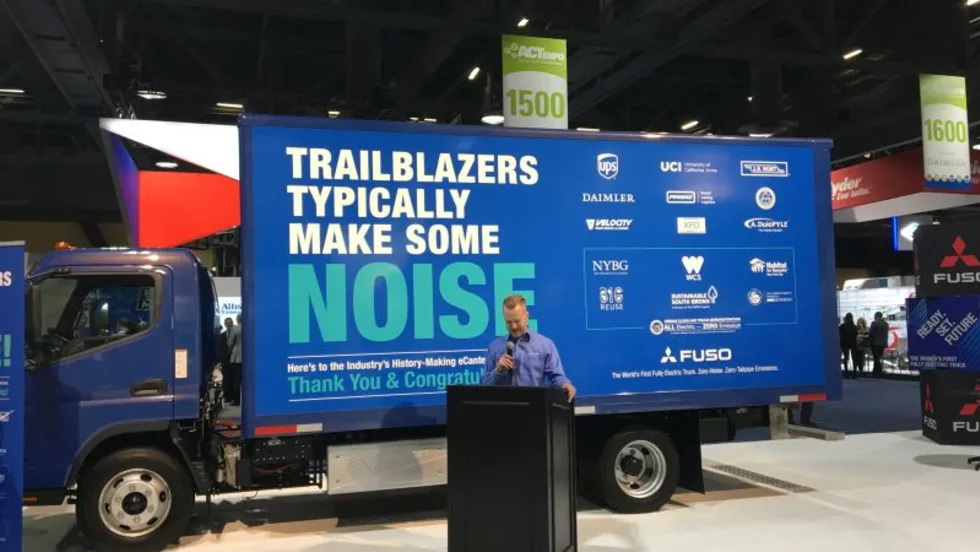
The Future is Electric, But…
With an increasing emphasis on emissions reductions mandates, will fleet operators get caught between clean technologies on their way out and an electric future that hasn’t yet arrived?
Read More →
6 Trend Lines from the 2019 Work Truck Show
From giant leaps in torque and towing to heavy duty truck personalization and chassis cab styling, these trends emerged from this year’s Work Truck Show in Indianapolis.
Read More →
They’re Coming for Your Diesel
In Southern California and other parts of the world, regulators are coalescing to ban, or severely curtail, diesel vehicles. There’s a growing disconnect with the mandates to green the environment and the availability of products and technologies to get us there.
Read More →
Hey Cannabis Companies, Welcome to Fleet
An industry is forming, and it needs help with fleet. In the meantime, the fleet industry should know that these new businesses are navigating extraordinary circumstances, which is forcing them to be better fleet operators pretty darn quick.
Read More →
Takeaways from the Fleet Forward Conference
Most attendees — from established fleets and vendors to new players that were only formed five years ago — didn’t know anyone. But that’s exactly the point.
Read More →
Is it Time to Rethink How Drivers Are Paid?
With the ELD rule affecting miles driven, and drivers’ duties increasingly including more than just driving the vehicle, what can be done to more accurately and fairly reflect a driver’s workday?
Read More →
Whatever Happened to CNG?
While the light-duty market for compressed natural gas vehicles has almost evaporated, new near zero emissions technology and drastic reductions in infrastructure costs have reinvigorated the market for medium- and heavy-duty applications — even for smaller fleets.
Read More →