


Is Uber a Threat to Car Rental?
A new survey finds that ride-sharing customers are willing to replace both traditional car rental and car sharing with ride sharing.

Uber was recently valued at $40 billion. You can quibble with the number, but the takeaway is the ride-sharing concept has revolutionized transportation in just a few years.
As such, market watchers are crunching numbers to see just what portion of the transportation pie that ride-sharing companies such as Uber, Lyft and Sidecar are eating into. Taxi and livery service is a given; the model is patterned in this way — but what about car rental?
First, some metrics: According to data collated and posted on Sherpashare.com by more than 1,000 Lyft and Uber drivers, for the 2014 calendar year the average trip was 2.69 miles and the average trip duration was 9.62 minutes. For a 10-minute trip, SherpaShare reported average fares for Uber, Lyft and Sidecar of $15.97, $11.48 and $13.35, respectively.
Comparing to rental cars, daily airport rental rates averaged about $51 from March to November 2014, according to Auto Rental News data. Average length of rental for business travel is about three days, while leisure rentals run slightly longer. The average length of a replacement rental is substantially longer — about 10 days, according to data from Enterprise Rent-A-Car.
Average daily mileage for a rental car is best viewed in the context of the rental type, but an overall snapshot of 50 to 80 miles per day points out the divergence in how people use ride sharing compared to car rental.
However, the one form of car rental that has a similar pattern to ride sharing is car sharing — in particular, point-to-point car sharing. Metrics and insight gathered at a public meeting in July 2014 in Torrance, Calif., regarding car2go, the Daimler-owned company that specializes in point-to-point car sharing, offers some direction.
In car2go’s South Bay region of Los Angeles, the service charges $14.99 an hour. South Bay members use car2go usually 30 minutes or less and travel seven to 10 miles on average, a company representative said. This usage pattern comes close to that of ride sharing.
During the meeting, some residents complained they couldn’t find a car2go car when they needed one. In the South Bay, car2go has 150 cars in operation within a 28-square mile radius.
When a ride-sharing company enters a market, the number of available drivers is exponentially greater than the vehicles a company with an owned fleet such as car2go can provide, while wait times for cars are dramatically short. According to a San Francisco-based study by the University of California Transportation Center, 90% of ride-sharing respondents waited less than 10 minutes and 67% less than 5 minutes.
In the South Bay car2go system, unless you happen to be a few blocks from one of the 150 cars stationed within that 28-square-mile radius, you’re going to spend more time getting your hands on a car — if one is available.
For some, ride sharing could be a cheaper and more convenient alternative than car sharing, at least point-to-point car sharing. But ultimately understanding how one model affects the other is no easy task.
Nonetheless, this analysis shouldn’t allow traditional car rental to get complacent while car sharing should be running scared. A 2014 survey by equity trading and research firm MKM Partners LLC sheds light on the impact of ride-share services on both car rental and car sharing.
The survey found that more than 24% of recent ride-share customers said they use Uber as a replacement for traditional rental car services all of the time, while another 51% said some of the time. Nearly 24% said they use Uber as a replacement for car sharing all of the time, while another 48% said some of the time. The percentages are higher for prospective Uber customers who intend to replace car rental or car sharing.
While it’s easier to see how a ride-share trip might usurp car share, it’s less evident exactly how ride sharing would replace daily car rental use.
We can’t answer that here, but that’s not the immediate point. The way we get around is shifting, and all transportation modes need to be constantly evolving into more efficient realms. The models that continue to provide utilitarian value are the ones that will survive.
The car rental industry will be integral to mobility, as long as it serves customers where they live, work and play. If you can address this question effectively, you’ll be all right — unless you get complacent.
More Blog Posts
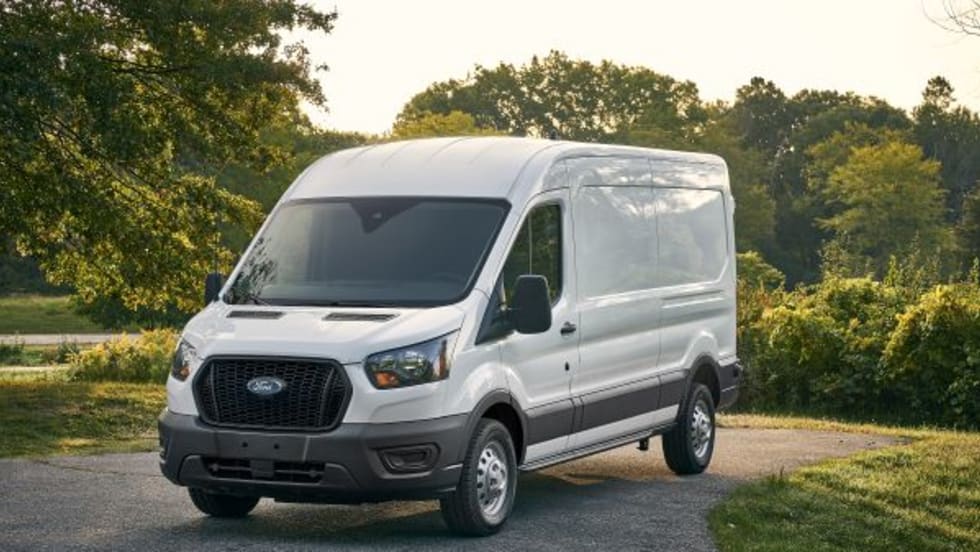
2021 Ford Transit Offers Versatility for Fleets
For the 2021-MY, Ford made ergonomic enhancements for drivers and added an available Parcel Delivery Package. This follows a major refresh in 2020, which added a Crew version, a new standard engine, standard active safety technologies, and embedded telematics to the Transit van family.
Read More →
Recognizing the Other Essential Drivers
Vocational and business fleet drivers don’t get the attention that truckers do. Yet they too are on the front lines, and their jobs often bring them into uncontrolled environments every day.
Read More →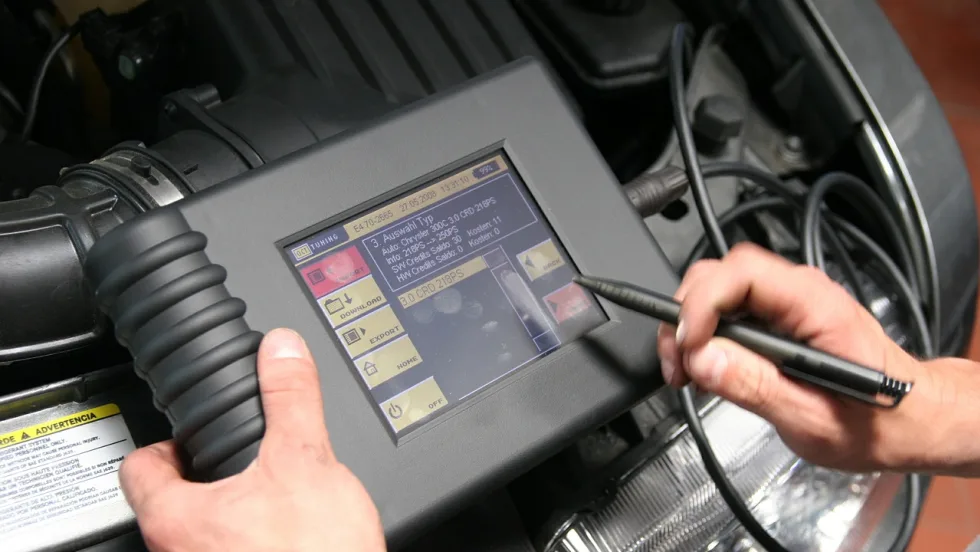
It’s Time to Formulate an ADAS Game Plan
As proliferation of Advanced Driver Assistance Systems (ADAS) increases, skilled labor, equipment, and training costs will increase as well. Fleet operators can’t mitigate these financial burdens by cutting corners on ADAS recalibration and repairs.
Read More →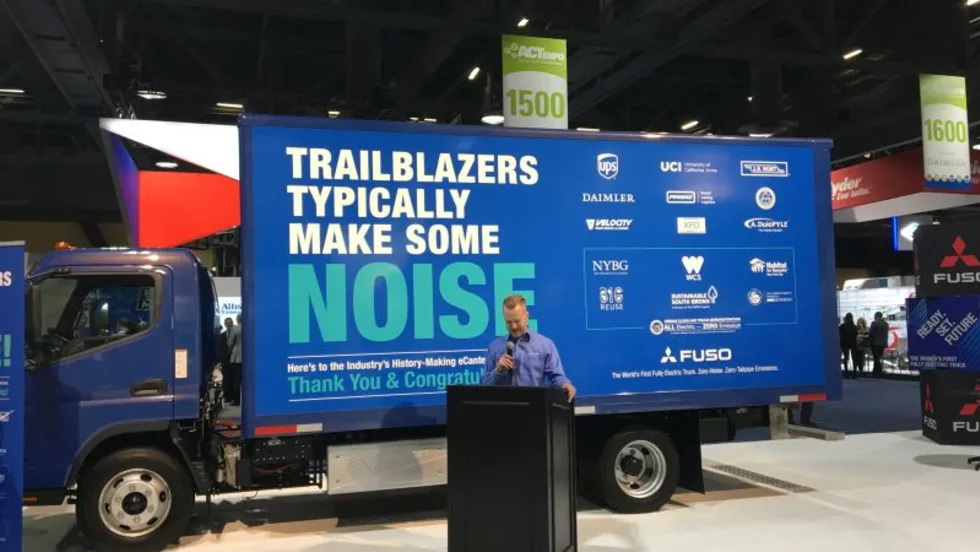
The Future is Electric, But…
With an increasing emphasis on emissions reductions mandates, will fleet operators get caught between clean technologies on their way out and an electric future that hasn’t yet arrived?
Read More →
6 Trend Lines from the 2019 Work Truck Show
From giant leaps in torque and towing to heavy duty truck personalization and chassis cab styling, these trends emerged from this year’s Work Truck Show in Indianapolis.
Read More →
They’re Coming for Your Diesel
In Southern California and other parts of the world, regulators are coalescing to ban, or severely curtail, diesel vehicles. There’s a growing disconnect with the mandates to green the environment and the availability of products and technologies to get us there.
Read More →
Hey Cannabis Companies, Welcome to Fleet
An industry is forming, and it needs help with fleet. In the meantime, the fleet industry should know that these new businesses are navigating extraordinary circumstances, which is forcing them to be better fleet operators pretty darn quick.
Read More →
Takeaways from the Fleet Forward Conference
Most attendees — from established fleets and vendors to new players that were only formed five years ago — didn’t know anyone. But that’s exactly the point.
Read More →
Is it Time to Rethink How Drivers Are Paid?
With the ELD rule affecting miles driven, and drivers’ duties increasingly including more than just driving the vehicle, what can be done to more accurately and fairly reflect a driver’s workday?
Read More →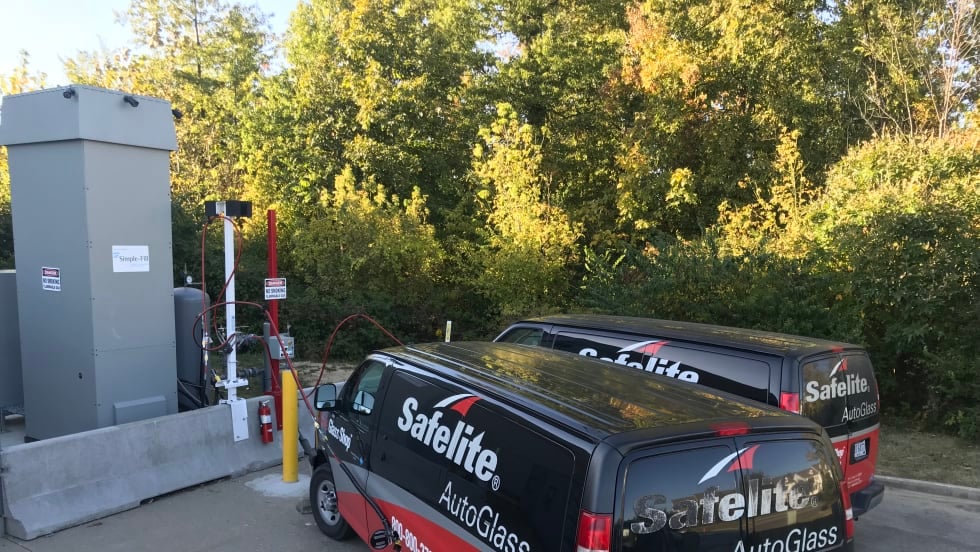
Whatever Happened to CNG?
While the light-duty market for compressed natural gas vehicles has almost evaporated, new near zero emissions technology and drastic reductions in infrastructure costs have reinvigorated the market for medium- and heavy-duty applications — even for smaller fleets.
Read More →