


It’s Time to Pass the Recall Bill
The death of a renter in a vehicle under open recall underscores the need for federal recall legislation.

On Sept. 7, 2014, 26-year-old Jewel Brangman was involved in a car accident in the Los Angeles area that took her life. But the accident itself didn’t kill her, shrapnel from the explosion of the car’s airbag did.
Brangman was identified last Friday as the eighth fatality caused by defective Takata airbags. She was driving a 2001 Honda Civic from Sunset Car Rental in San Diego. A notice was mailed in June 2013 to Sunset, informing it of the airbag recall.
The vehicle was first recalled in 2009 for faulty airbags, after which four recall notifications were mailed to registered owners. Sunset Car Rentals purchased the vehicle, with a salvage title, at auction in 2011. Brangman rented it in August 2014.
Obviously, the repairs were never made.
Sunset Car Rental has closed its doors; the company’s owner would not respond to our communication. Brangman’s father has filed a lawsuit against Honda, Takata and Sunset Car Rental.
Meanwhile, proposed federal legislation requiring companies to not rent vehicles under recall has been in existence for nearly three years. Among other groups, the American Car Rental Association and the major car rental companies support this legislation.
The major car rental companies already abide by the tenets of the proposed legislation. They don’t rent vehicles with open recalls. Tragically, this is not the case with all car rental companies.
Mark Rosekind, the administrator of the National Highway Traffic Safety Administration, said on Friday in testimony: “The fact that this was a rental vehicle that had not been remedied is more evidence for why we are seeking authority to prohibit sale or rental of any vehicle with an open safety recall.”
The issue here isn’t about how grounding and fixing rental vehicles with open recalls puts a considerable burden on operations and customer service. It’s not about the dramatic rise in recalls, public perception or a calculation of lost revenues. It’s not about the inconveniences of operating within a system of recall notification that needs fixing. It’s about preserving human life.
To the smaller car rental companies: I implore you not to wait for the law to pass. Don’t wait for a better recall notification system, because it most likely won’t happen soon. You have the tools to understand if your fleet vehicles are under recall and you have the ability to repair them. Do it now. Do not pass go.
The Brangman tragedy brings from theory to reality the need to pass this recall legislation. We need to ensure that all rental companies — from the large corporate companies, to the franchise systems to the large and small independents — conduct business by the same rules cemented in federal law.
It is the obligation of all car rental companies to maintain your customers' trust in the industry. It is your obligation to exercise the utmost duty of care to protect your customers.
More Blog Posts
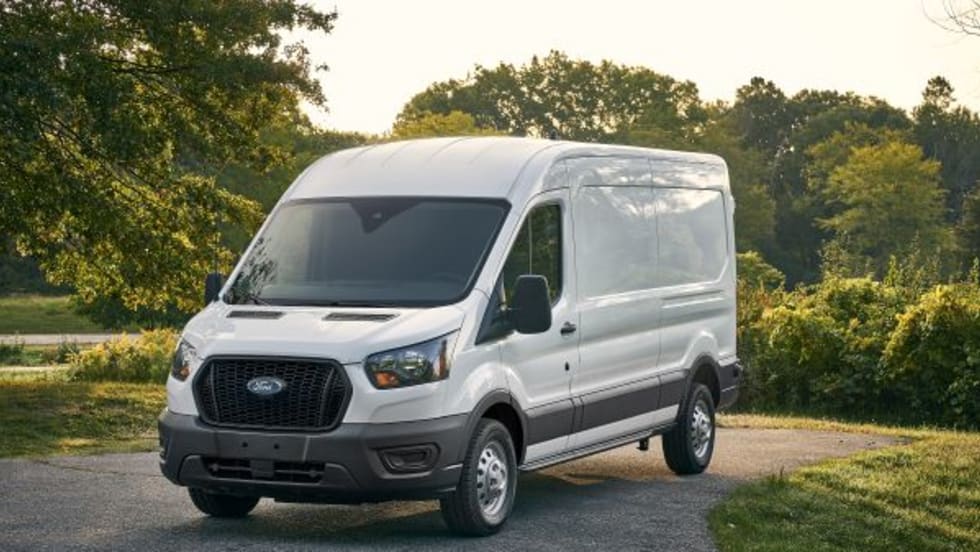
2021 Ford Transit Offers Versatility for Fleets
For the 2021-MY, Ford made ergonomic enhancements for drivers and added an available Parcel Delivery Package. This follows a major refresh in 2020, which added a Crew version, a new standard engine, standard active safety technologies, and embedded telematics to the Transit van family.
Read More →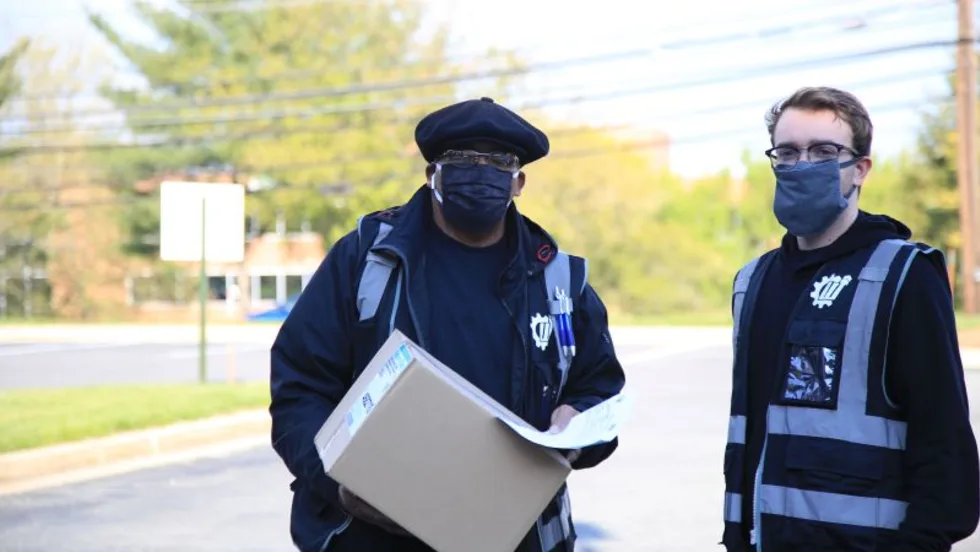
Recognizing the Other Essential Drivers
Vocational and business fleet drivers don’t get the attention that truckers do. Yet they too are on the front lines, and their jobs often bring them into uncontrolled environments every day.
Read More →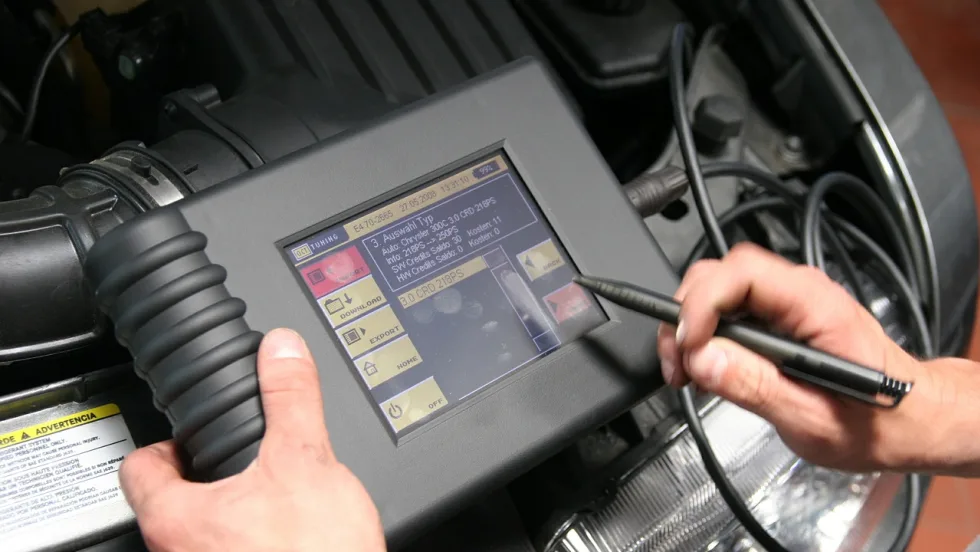
It’s Time to Formulate an ADAS Game Plan
As proliferation of Advanced Driver Assistance Systems (ADAS) increases, skilled labor, equipment, and training costs will increase as well. Fleet operators can’t mitigate these financial burdens by cutting corners on ADAS recalibration and repairs.
Read More →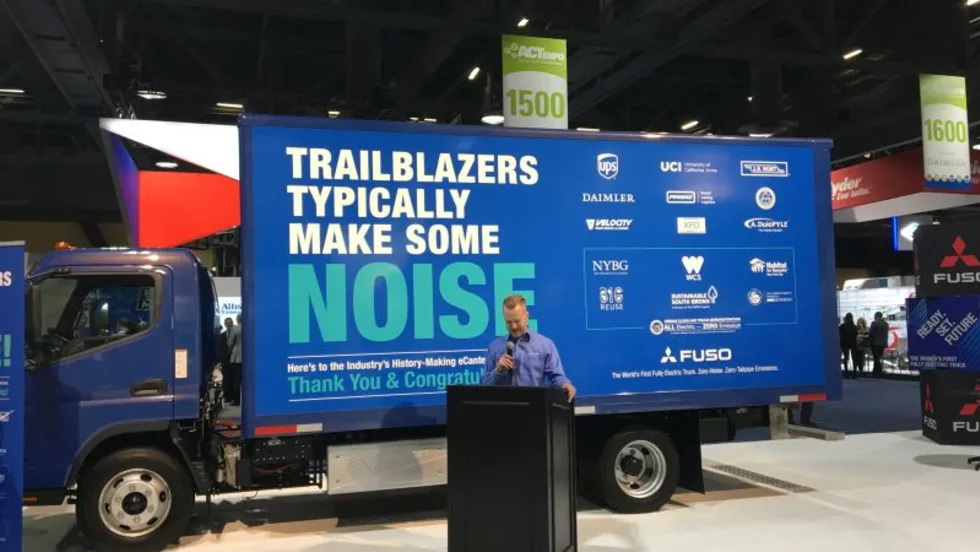
The Future is Electric, But…
With an increasing emphasis on emissions reductions mandates, will fleet operators get caught between clean technologies on their way out and an electric future that hasn’t yet arrived?
Read More →
6 Trend Lines from the 2019 Work Truck Show
From giant leaps in torque and towing to heavy duty truck personalization and chassis cab styling, these trends emerged from this year’s Work Truck Show in Indianapolis.
Read More →
They’re Coming for Your Diesel
In Southern California and other parts of the world, regulators are coalescing to ban, or severely curtail, diesel vehicles. There’s a growing disconnect with the mandates to green the environment and the availability of products and technologies to get us there.
Read More →
Hey Cannabis Companies, Welcome to Fleet
An industry is forming, and it needs help with fleet. In the meantime, the fleet industry should know that these new businesses are navigating extraordinary circumstances, which is forcing them to be better fleet operators pretty darn quick.
Read More →
Takeaways from the Fleet Forward Conference
Most attendees — from established fleets and vendors to new players that were only formed five years ago — didn’t know anyone. But that’s exactly the point.
Read More →
Is it Time to Rethink How Drivers Are Paid?
With the ELD rule affecting miles driven, and drivers’ duties increasingly including more than just driving the vehicle, what can be done to more accurately and fairly reflect a driver’s workday?
Read More →
Whatever Happened to CNG?
While the light-duty market for compressed natural gas vehicles has almost evaporated, new near zero emissions technology and drastic reductions in infrastructure costs have reinvigorated the market for medium- and heavy-duty applications — even for smaller fleets.
Read More →