


MIT Study Reinforces the Newfound Importance of Fleet
Uber and Lyft drivers make far less when factoring vehicle expenses, though the actual numbers are now in dispute. A proper lifecycle cost analysis would’ve helped, and shows the benefit of collaboration with fleet professionals.


Photo: ©iSdddtockphoPhototo.com/jxfzsyPho

Photo: ©iSdddtockphoPhototo.com/jxfzsyPho
In the fleet world, we live and die by the expense each vehicle model generates. We calculate cost elements to the mile, including depreciation, financing, fees and taxes, fuel, insurance, maintenance, repairs, and even opportunity cost. Those numbers affect acquisition and remarketing decisions for thousands of fleet vehicles.
Remember when Uber and Lyft and the ride-hailing model became a business and cultural phenomenon around 2011? Though the term gig economy wasn’t widely circulated, the underemployed in our communities had a new source of extra income overnight. To those drivers, I’d make a point to ask, “The extra take-home pay is great, but do you have a good idea of your expenses, and are you netting those out of your profits?”
I didn’t mean to be a wet blanket, but that comment was often met with a blank stare or a shrug. A study released this week answers my question. The study, from the MIT Center for Energy and Environmental Policy Research, provides one of the first detailed estimates of actual ride-hailing profit. It’s not pretty.
The study found that a driver at the median generates 59 cents per mile, but incurs costs of 30 cents per mile. Per hour worked, that translates to a median profit of $3.37 an hour before taxes — and 74% of drivers earn less than the minimum wage in their state. Some 30% actually lose money once vehicle expenses are included, the study found.
An update of the study found that the average wage for Uber drivers is closer to $8.55 to $10 per hour.
The report goes further to suggest that drivers using the standard mileage deduction at 54 cents a mile (in 2016) far exceeded their 30 cents per mile of expenses — suggesting that about 74% of driver profit is untaxed.
You might quibble with how the study calculates vehicle expenses with estimates from Edmunds, Kelley Blue Book, and the EPA. (Fleet folks could’ve helped in this regard!) Apparently, others have, and the study organizers are collaborating on better data crunching. Assuming the updated average wages, is $8.55 an hour a realistic wage?
That said, Uber and Lyft are still adding drivers to their platforms, and the gig/sharing/peer-to-peer economies show no signs of slowing down. For good reason — the model works wonderfully for consumers, and it’s about time we employ technology to take advantage of underutilized assets.
But in these new economies — especially those involving depreciating, expense-heavy automobiles — it is imperative to perform true cost analyses. Fleet professionals can not only supply these insights six ways to Sunday, they would be willing partners in figuring out real-world operational scenarios that would help translate a good idea into sustainable profitability.
In this scenario, at the very least, awareness is being raised by the fact that more and more drivers are eschewing their own vehicles (if they even own one) in favor of using a rented vehicle to drive on these platforms. In this case less-visible operating expenses are being assumed by the fleet owners, while drivers can compare the very tangible daily rental figure with their daily revenue.
It is continually ironic that as the gig/sharing/peer-to-peer economies grow on the path to autonomous vehicles, the “outside” world is becoming aware of how a fleet functions. New business interests are beginning to understand the benefits of fleets and their importance to the ecosystem. This isn’t the last time I’ll say this: Own the fleet, own the future.
This post was updated at 2 p.m., March 7, 2018 to include updated information on the MIT study.
More Blog Posts
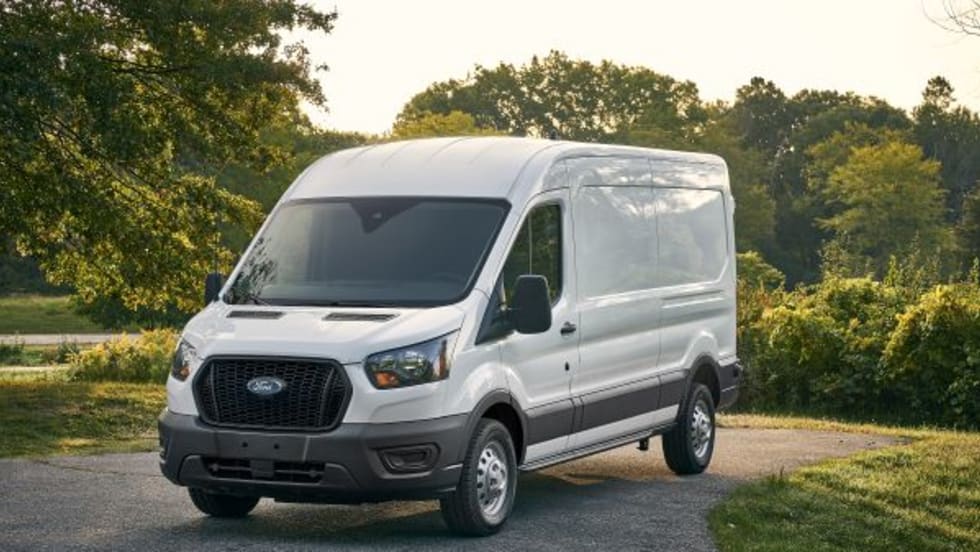
2021 Ford Transit Offers Versatility for Fleets
For the 2021-MY, Ford made ergonomic enhancements for drivers and added an available Parcel Delivery Package. This follows a major refresh in 2020, which added a Crew version, a new standard engine, standard active safety technologies, and embedded telematics to the Transit van family.
Read More →
Recognizing the Other Essential Drivers
Vocational and business fleet drivers don’t get the attention that truckers do. Yet they too are on the front lines, and their jobs often bring them into uncontrolled environments every day.
Read More →
It’s Time to Formulate an ADAS Game Plan
As proliferation of Advanced Driver Assistance Systems (ADAS) increases, skilled labor, equipment, and training costs will increase as well. Fleet operators can’t mitigate these financial burdens by cutting corners on ADAS recalibration and repairs.
Read More →
The Future is Electric, But…
With an increasing emphasis on emissions reductions mandates, will fleet operators get caught between clean technologies on their way out and an electric future that hasn’t yet arrived?
Read More →
6 Trend Lines from the 2019 Work Truck Show
From giant leaps in torque and towing to heavy duty truck personalization and chassis cab styling, these trends emerged from this year’s Work Truck Show in Indianapolis.
Read More →
They’re Coming for Your Diesel
In Southern California and other parts of the world, regulators are coalescing to ban, or severely curtail, diesel vehicles. There’s a growing disconnect with the mandates to green the environment and the availability of products and technologies to get us there.
Read More →
Hey Cannabis Companies, Welcome to Fleet
An industry is forming, and it needs help with fleet. In the meantime, the fleet industry should know that these new businesses are navigating extraordinary circumstances, which is forcing them to be better fleet operators pretty darn quick.
Read More →
Takeaways from the Fleet Forward Conference
Most attendees — from established fleets and vendors to new players that were only formed five years ago — didn’t know anyone. But that’s exactly the point.
Read More →
Is it Time to Rethink How Drivers Are Paid?
With the ELD rule affecting miles driven, and drivers’ duties increasingly including more than just driving the vehicle, what can be done to more accurately and fairly reflect a driver’s workday?
Read More →
Whatever Happened to CNG?
While the light-duty market for compressed natural gas vehicles has almost evaporated, new near zero emissions technology and drastic reductions in infrastructure costs have reinvigorated the market for medium- and heavy-duty applications — even for smaller fleets.
Read More →