


On Driving Safely versus Productivity
Studies show that using a phone while driving causes accidents. But can you get off your phone in the car and still be productive?

Stop the world, I want to get off! This hyper-connected, headset-strapped, infotained, multi-tasking society we live in is making my head spin. I admit; I'm a victim of it. Between my iPhone, WiFi, Bluetooth, Skype and satellite radio, I want my information faster than a synapse firing. Do you know there's now a hands-free product that turns voice to text and updates your Facebook or Twitter account while you're driving? ("Hi, Facebook friends. I'm about to crash - I love you mom!") Seriously, does anyone really need to disseminate information that quickly?
The problem is that this connectivity creates the illusion of productivity, or at least the need to "keep up with everyone else or be left behind." And that can be dangerous, especially multi-tasking in your mobile office going 65 miles per hour.
Evidence suggests, however, that while on the road we may not be as productive as we think.
AMEC, an international project management and engineering services company, banned its North American workers in 2005 from talking on the phone while driving. A year later, AMEC surveyed its workers on the ban's effects, and 95 percent of respondents reported that the ban had caused no loss in productivity.
In 2009, the National Safety Council (NSC) sent an email survey out to 10,000 of its corporate members. Out of 2,000 responses, 469 reported that they had a total cell-phone ban policy in place. Of those 469, only seven companies said they believed productivity decreased, while 40 companies - 10 percent - said they actually had an increase in productivity.
It seems counterintuitive. How does erasing potential work calls during drive time not diminish productivity?
David Teater, senior director of the NSC, says its study did not qualify the responses, though he speculates on productivity based on his own experience. "I assumed that the vast majority of calls that I made were business critical," he says. "When I stopped using a cell phone while driving I realized they weren't. A lot of it was passing time with colleagues back at the office because it was boring to drive." And that, he says, "may have had a (negative) impact on the productivity of others."
Studies have shown that multitasking is a myth. Human brains do not perform two tasks at the same time. Instead, the brain juggles tasks, switching from one to the other very rapidly. Therefore, how productive can a client call be when you're concentrating on a busy roadway? How much critical information will actually be retained?
John Kenner of the Jankovich Company, a petroleum distributor, instituted a technological solution: He installed a program on the work cell phones of his 30 drivers that prevents them from making calls while moving. Kenner reports the implementation "has had no impact on productivity for the drivers," he says, though he adds, "If we really needed frequent communications with our drivers, there is something drastically wrong with our distribution and routing plans."
Travis Boardman, an independent contractor for FedEx, implemented a similar ban on his 12 delivery drivers. Boardman says the ban may from time to time prevent him from getting information to a driver in a timely fashion. And while that may hinder productivity, it's not necessarily the point. "Is it worth me waiting for that bit of time for their answer, or would I rather take a chance of him getting in an accident when he's on a cell phone?" he contends.
"We didn't have cell phones 10 years ago, when I had to wait until they stopped," Boardman says. "It's not going to kill me now to wait for them to get to their next stop."
Lauren Gallagher, media relations manager for AMEC, says that many employees alleviated the pressure to return a call immediately by leaving a message saying they were driving or in a meeting. This had an ancillary benefit, "Customers were realizing what they were doing and that AMEC takes safety very seriously," she says.
And that's just it: We need to replace our culture of connectivity with a culture of safety. You can't argue that it's safer to stop talking and texting while driving. Just ask David Teater - his 12-year-old son was killed in 2004 by a driver who was texting at the moment of the crash.
But ask yourself, are you caught up in this connectivity trap? Even if you have a cell phone policy, do your employees feel a tacit professional responsibility to stay connected, even in the car? It's your job to "allow" them to hang up the phone.
More Blog Posts
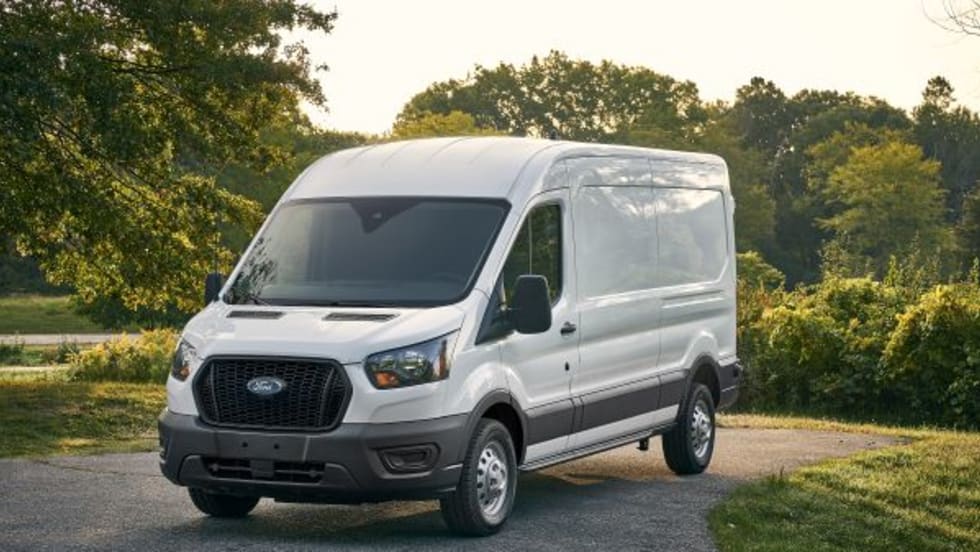
2021 Ford Transit Offers Versatility for Fleets
For the 2021-MY, Ford made ergonomic enhancements for drivers and added an available Parcel Delivery Package. This follows a major refresh in 2020, which added a Crew version, a new standard engine, standard active safety technologies, and embedded telematics to the Transit van family.
Read More →
Recognizing the Other Essential Drivers
Vocational and business fleet drivers don’t get the attention that truckers do. Yet they too are on the front lines, and their jobs often bring them into uncontrolled environments every day.
Read More →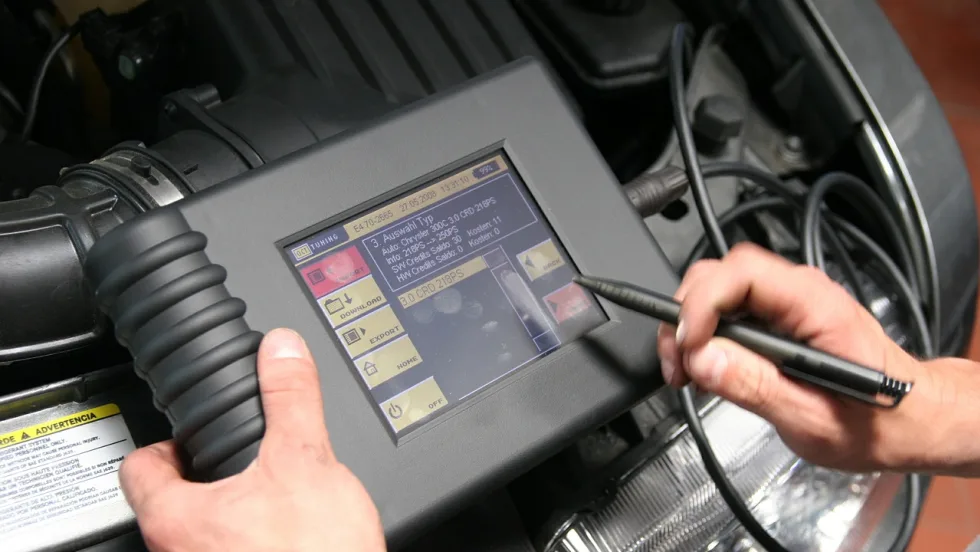
It’s Time to Formulate an ADAS Game Plan
As proliferation of Advanced Driver Assistance Systems (ADAS) increases, skilled labor, equipment, and training costs will increase as well. Fleet operators can’t mitigate these financial burdens by cutting corners on ADAS recalibration and repairs.
Read More →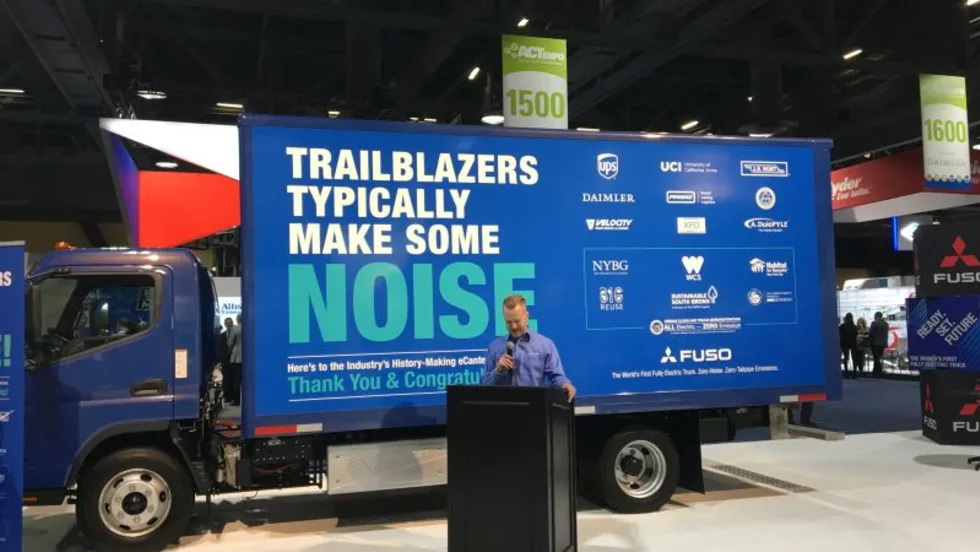
The Future is Electric, But…
With an increasing emphasis on emissions reductions mandates, will fleet operators get caught between clean technologies on their way out and an electric future that hasn’t yet arrived?
Read More →
6 Trend Lines from the 2019 Work Truck Show
From giant leaps in torque and towing to heavy duty truck personalization and chassis cab styling, these trends emerged from this year’s Work Truck Show in Indianapolis.
Read More →
They’re Coming for Your Diesel
In Southern California and other parts of the world, regulators are coalescing to ban, or severely curtail, diesel vehicles. There’s a growing disconnect with the mandates to green the environment and the availability of products and technologies to get us there.
Read More →
Hey Cannabis Companies, Welcome to Fleet
An industry is forming, and it needs help with fleet. In the meantime, the fleet industry should know that these new businesses are navigating extraordinary circumstances, which is forcing them to be better fleet operators pretty darn quick.
Read More →
Takeaways from the Fleet Forward Conference
Most attendees — from established fleets and vendors to new players that were only formed five years ago — didn’t know anyone. But that’s exactly the point.
Read More →
Is it Time to Rethink How Drivers Are Paid?
With the ELD rule affecting miles driven, and drivers’ duties increasingly including more than just driving the vehicle, what can be done to more accurately and fairly reflect a driver’s workday?
Read More →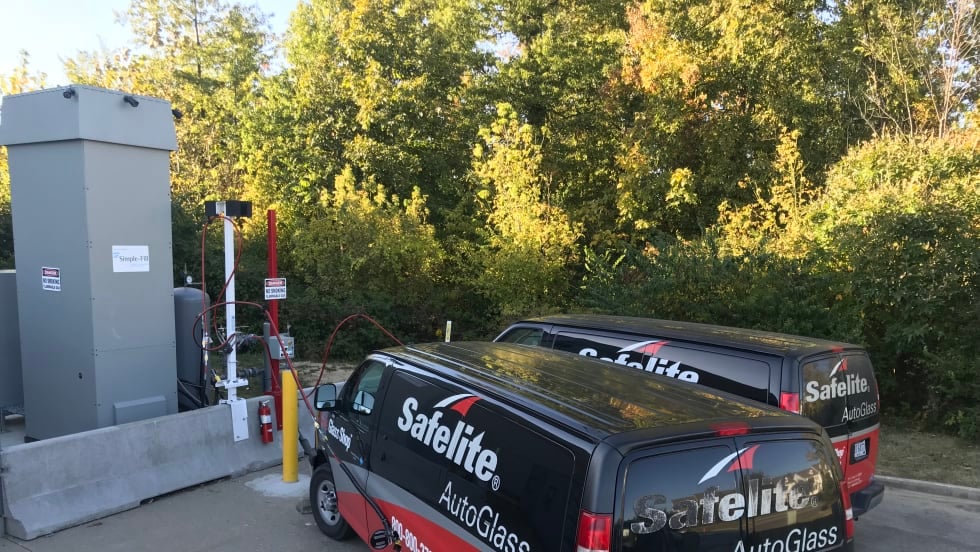
Whatever Happened to CNG?
While the light-duty market for compressed natural gas vehicles has almost evaporated, new near zero emissions technology and drastic reductions in infrastructure costs have reinvigorated the market for medium- and heavy-duty applications — even for smaller fleets.
Read More →