


Potential Impacts of New Truck Emissions Standards
History tells us to plan for disruption.

We all appreciate straight talk, especially when it comes from the U.S. government. Remember when President Kennedy said we’d be going to the moon within 10 years? He said it would be hard. And yes, sir, it was hard; it was very hard, and it was costly in many ways. But we as a nation — actually, we the world — figured it out. And we reap the technological benefits from those missions to this day.
Where am I going with this? Last month the government released a proposal for a new set of heavy-duty vehicle emissions standards to take place within the 2021 and 2027 model years. The new standards, the second of two phases, aim to lower greenhouse gas (GHG) emissions in big rigs, tractors with trailers, vocational vehicles and heavy-duty pickup trucks and vans. Phase 1 standards materialize in 2018.
How will we get there?
Both the U.S. Environmental Protection Agency (EPA) and the National Highway Traffic Safety Administration (NHTSA) say that the new standards could be met through engine and transmission improvements, lower rolling resistance tires, idle reduction technologies and weight reduction. They call the goal “ambitious, achievable, affordable and flexible.”
Sounds easy, right? Well, history says otherwise.
The most recent emissions standards, from 2004 to 2010, were generally met through the implementation of exhaust gas recirculation (EGR) and selective catalytic reduction (SCR) systems, combined with injecting diesel exhaust fluid (DEF) into the exhaust stream.
We all expected higher prices for trucks as a result, and that happened. But no one quite expected the new trucks’ higher operating costs, reduced reliability and lower fuel economy. No one anticipated the extent of the disruptions to the marketplace with truck “pre-buys” and subsequent sales cliffs.
This time, the agencies seem to be crafting regulations with an eye to the real world, with considerations given to each manufacturer’s sales mix, specific truck model capabilities and a gradual phase in. There are also provisions to bank and trade credits to offset engines or vehicles that don’t meet the new standard.
The good news is that the Phase 1 standards, due in 2018, are expected to be met without the disruptions that arose from 2010. In fact, some manufacturers are already there. But the agencies say Phase 2 will be met through “increased use of the same technologies al¬ready being used to meet the 2014-2018 standards.” Reading between the lines, we don’t know exactly how we’ll get it done.
Nonetheless, without a true road map on how to get there, the agencies are out front with messaging that these standards would be “saving the industry billions of dollars’ worth of fuel” while “reducing GHG emissions by 1 billion metric tons.”
Somehow, they also already have calculations on fuel savings per type of vehicle. Here, it’s a glass half-empty/half-full scenario: a buyer of a new long-haul truck in 2027 would recoup the anticipated extra cost of new technology in less than two years, three years for pickups and vans and six years for vocational vehicles. (Important footnote: this was measured in 2012 dollars, when fuel was substantially more expensive.)
Other than higher new truck costs, do we really know what the impact will be on truck operators? It’s too early to tell. But anytime we’re dealing with the implementation of technology, plan for disruption.
Consider the other parts of Kennedy’s speech:
"…If I were to say… that we shall send to the moon, 240,000 miles away, a giant rocket more than 300 feet tall … made of new metal alloys, some of which have not yet been invented, capable of standing heat and stresses several times more than have ever been experienced, fitted together with a precision better than the finest watch, carrying all the equipment needed for propulsion, guidance, control, communications, food and survival, on an untried mission, to an unknown celestial body, and then return it safely to earth… then we must be bold."
Not even John Kennedy could get away with that speech today. No one could. They would’ve said we’re all crazy. When you think about it, we were crazy.
I am glad that we are taking the health of this planet more seriously than ever before. But let’s do it with honesty and admit that it’s going to be hard.
More Blog Posts
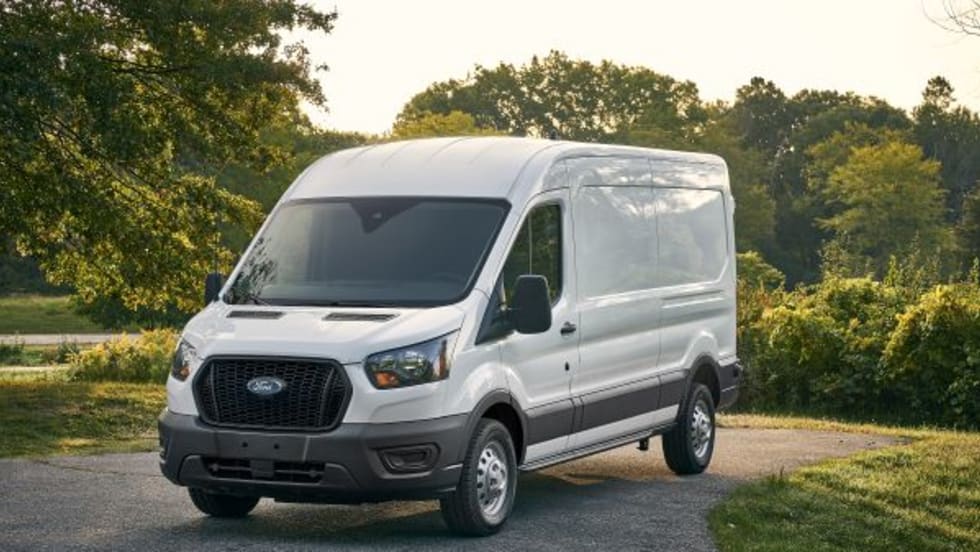
2021 Ford Transit Offers Versatility for Fleets
For the 2021-MY, Ford made ergonomic enhancements for drivers and added an available Parcel Delivery Package. This follows a major refresh in 2020, which added a Crew version, a new standard engine, standard active safety technologies, and embedded telematics to the Transit van family.
Read More →
Recognizing the Other Essential Drivers
Vocational and business fleet drivers don’t get the attention that truckers do. Yet they too are on the front lines, and their jobs often bring them into uncontrolled environments every day.
Read More →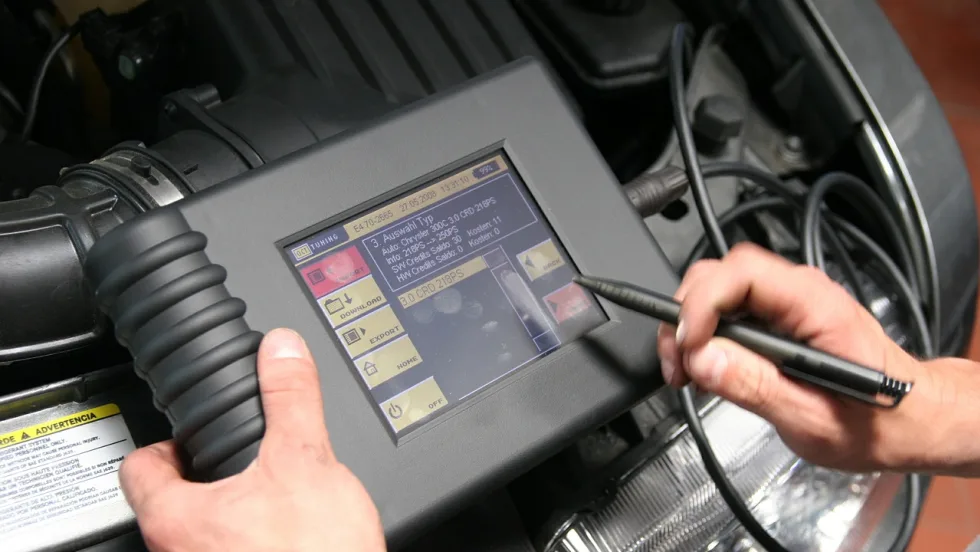
It’s Time to Formulate an ADAS Game Plan
As proliferation of Advanced Driver Assistance Systems (ADAS) increases, skilled labor, equipment, and training costs will increase as well. Fleet operators can’t mitigate these financial burdens by cutting corners on ADAS recalibration and repairs.
Read More →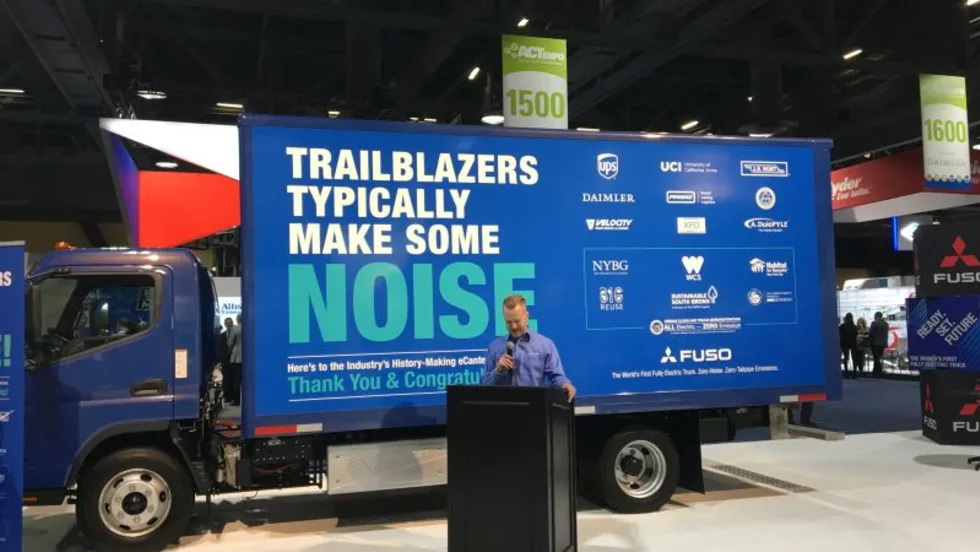
The Future is Electric, But…
With an increasing emphasis on emissions reductions mandates, will fleet operators get caught between clean technologies on their way out and an electric future that hasn’t yet arrived?
Read More →
6 Trend Lines from the 2019 Work Truck Show
From giant leaps in torque and towing to heavy duty truck personalization and chassis cab styling, these trends emerged from this year’s Work Truck Show in Indianapolis.
Read More →
They’re Coming for Your Diesel
In Southern California and other parts of the world, regulators are coalescing to ban, or severely curtail, diesel vehicles. There’s a growing disconnect with the mandates to green the environment and the availability of products and technologies to get us there.
Read More →
Hey Cannabis Companies, Welcome to Fleet
An industry is forming, and it needs help with fleet. In the meantime, the fleet industry should know that these new businesses are navigating extraordinary circumstances, which is forcing them to be better fleet operators pretty darn quick.
Read More →
Takeaways from the Fleet Forward Conference
Most attendees — from established fleets and vendors to new players that were only formed five years ago — didn’t know anyone. But that’s exactly the point.
Read More →
Is it Time to Rethink How Drivers Are Paid?
With the ELD rule affecting miles driven, and drivers’ duties increasingly including more than just driving the vehicle, what can be done to more accurately and fairly reflect a driver’s workday?
Read More →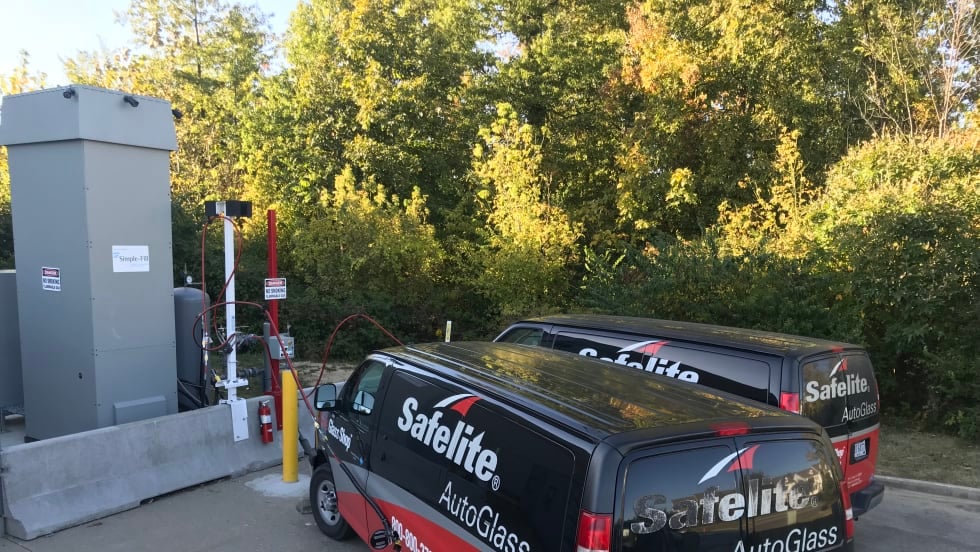
Whatever Happened to CNG?
While the light-duty market for compressed natural gas vehicles has almost evaporated, new near zero emissions technology and drastic reductions in infrastructure costs have reinvigorated the market for medium- and heavy-duty applications — even for smaller fleets.
Read More →