


Recall Repairs Are Not Afterthoughts
It's easy for small commercial fleet operators to neglect recall repairs. If "fleet" isn't your first business priority, recalls must be.

It was sheer terror at the time — it felt like I was in the chimney during a flue fire,” says Ross MacDonald, referring to the incident in 1981 that destroyed the work van he was driving. “I wish I had a video of me slinging thousands of dollars of tools from the back of that van as fast as I could, because it would be hilarious now.”
MacDonald, now chief marketing officer for AutoAp, a safety recall management provider, didn’t get hurt, but he did have to leave his tools next to the van as it became engulfed in flames. The van, a 1978 Ford E-250, was under recall for the potential leakage of the line between the carburetor and fuel filter. MacDonald is certain this issue caused the accident.
For vehicle owners, especially commercial fleets, repairing recalls is a pain in the keister. Fleet operators must manage the administrative toll, the extra manpower needed to rotate vehicles in for repairs, the transfer of tools and equipment to and from replacement vehicles, and of course the potential revenue loss associated with vehicle downtime.
But these headaches often cloud the big picture — the seriousness of recalls.
Take the Takata airbag recall, in which the frontal airbag inflators have the potential to explode and shoot metal shards at vehicle occupants. The Takata recall is the largest in the nation’s history, covering 32 brands and upward of 42 million vehicles, or 16% of the vehicles on U.S. roads. To date, 11 people in the U.S. have died as a result of Takata airbag explosions and about 180 people have been injured.
For fleet operators, some context is in order: 9 out of the 11 deaths occurred in Acura and Honda models made from 2001 to 2003, according to the National Highway Traffic Safety Administration (NHTSA). According to NHTSA, these airbags are more likely to rupture in inflators that have spent significant time in areas of high humidity. The fact that these vehicles and model years do not generally cover commercial fleet applications may relieve some anxiety in operators.
Yet this should give any business owner pause: Jewel Brangman was one of those 11, killed in 2014 while driving a rental car in Los Angeles. The vehicle was first recalled in 2009 for faulty airbags. Four recall notifications were mailed to registered owners, including one to the company she rented from. Simply acting on those notices as directed would have saved her life. Obviously, the repairs were never made.
Recall volume has reached all-time highs. And yet, in an ironic twist, we’re not necessarily winning the war on repairs. According to Carfax, more than 63 million vehicles with unrepaired recalls are now in use across the country, a 34% increase from 2016. For the Takata recall, lower repair rates were at one point a function of delays in getting the replacement airbags to dealers, though that doesn’t seem to be the case now. From at least one manufacturer’s perspective, intent to repair appears to be alarmingly low.
“Our supply of driver-side airbags exceeds the demand we have experienced,” says Eric Mayne, media relations manager and spokesperson for Fiat Chrysler Automobiles. “A telephone outreach campaign to approximately 800,000 customers resulted in 20,000 appointments. We continue to seek ways to increase customer response.”
Commercial fleets do not fall under the same regulations as rental fleets, which are required to ground recalled rental vehicles within 24 hours. Thus, commercial fleets have the “luxury” of prioritizing repairs by severity of recall. But then, judging the severity of any safety issue becomes a big responsibility. Where and how do you draw that line?
Entrepreneurs running smaller companies are often too caught up in their core business mission to worry about improving ancillary processes, particularly fleet. Sure, with a little attention, there’s always a more efficient way to manage your vehicles, routes, and drivers. But who has the time? That attitude is understandable, particularly for companies without a position dedicated to fleet.
In the midst of this hustle and bustle, the recall notices come by U.S. postal service along with piles of junk mail. Those notices would be easy to miss.
The reality is that vehicles are designed and built safer than ever before. But technology has given us a greater ability today to detect potential safety defects. From MacDonald’s incident to Takata and those to fix a sunroof, all recalls are important.
Go to NHTSA’s recall database and type in some of your fleet vehicles’ VINs. Do it now.
More Blog Posts
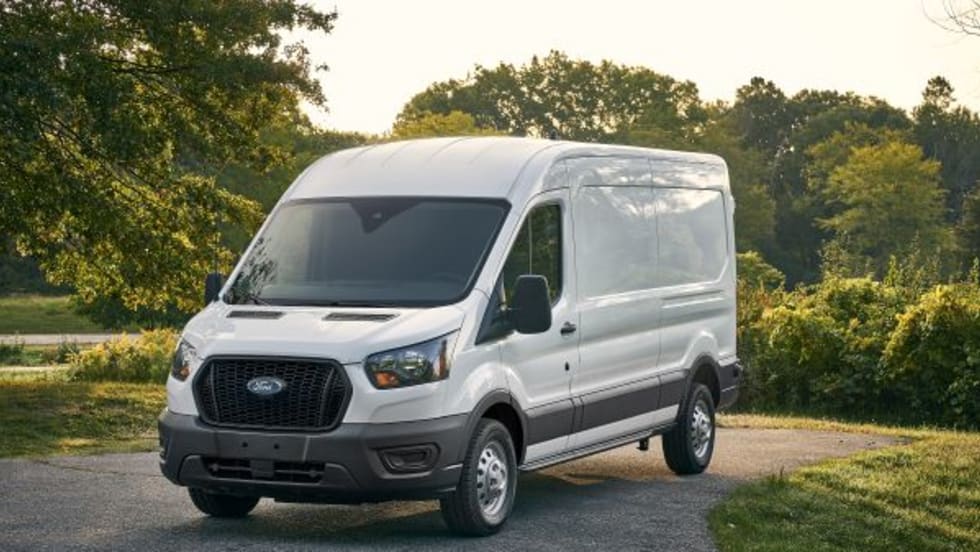
2021 Ford Transit Offers Versatility for Fleets
For the 2021-MY, Ford made ergonomic enhancements for drivers and added an available Parcel Delivery Package. This follows a major refresh in 2020, which added a Crew version, a new standard engine, standard active safety technologies, and embedded telematics to the Transit van family.
Read More →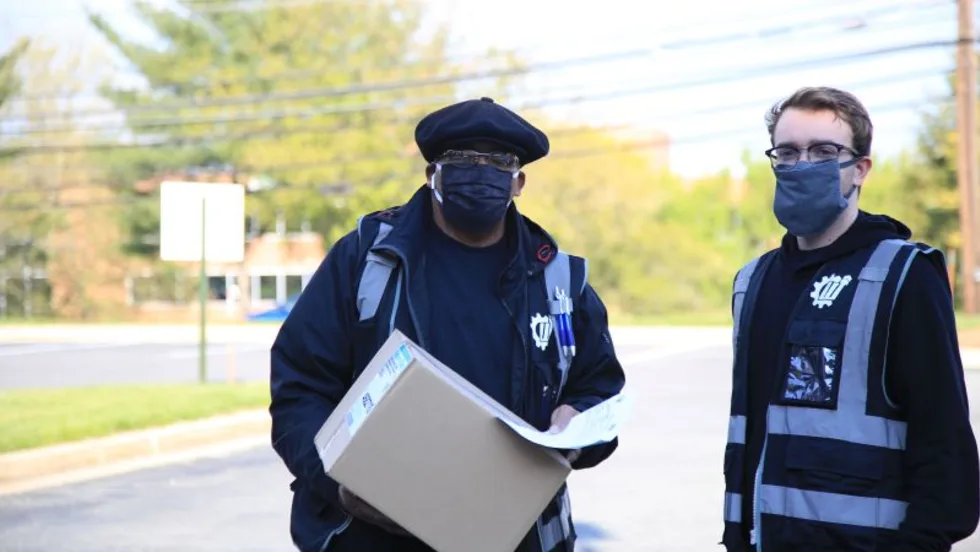
Recognizing the Other Essential Drivers
Vocational and business fleet drivers don’t get the attention that truckers do. Yet they too are on the front lines, and their jobs often bring them into uncontrolled environments every day.
Read More →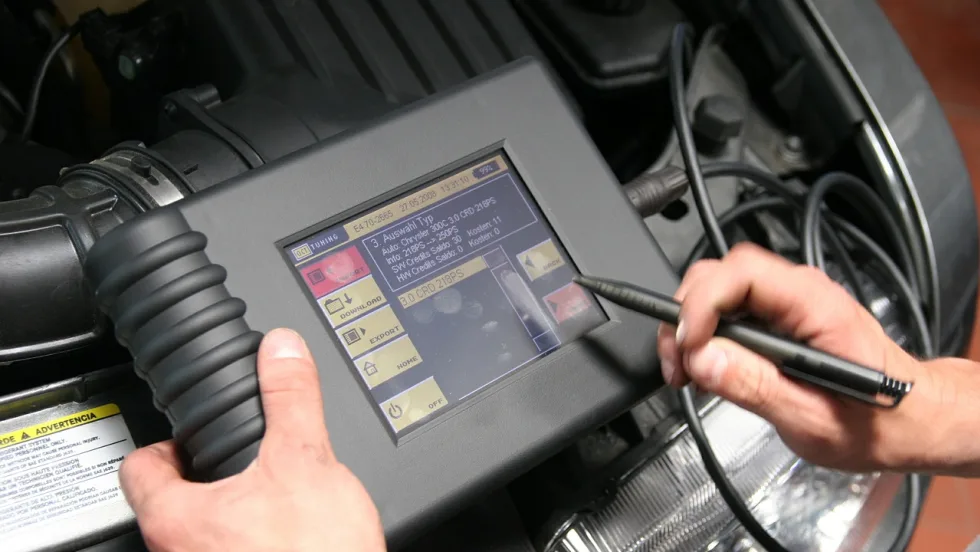
It’s Time to Formulate an ADAS Game Plan
As proliferation of Advanced Driver Assistance Systems (ADAS) increases, skilled labor, equipment, and training costs will increase as well. Fleet operators can’t mitigate these financial burdens by cutting corners on ADAS recalibration and repairs.
Read More →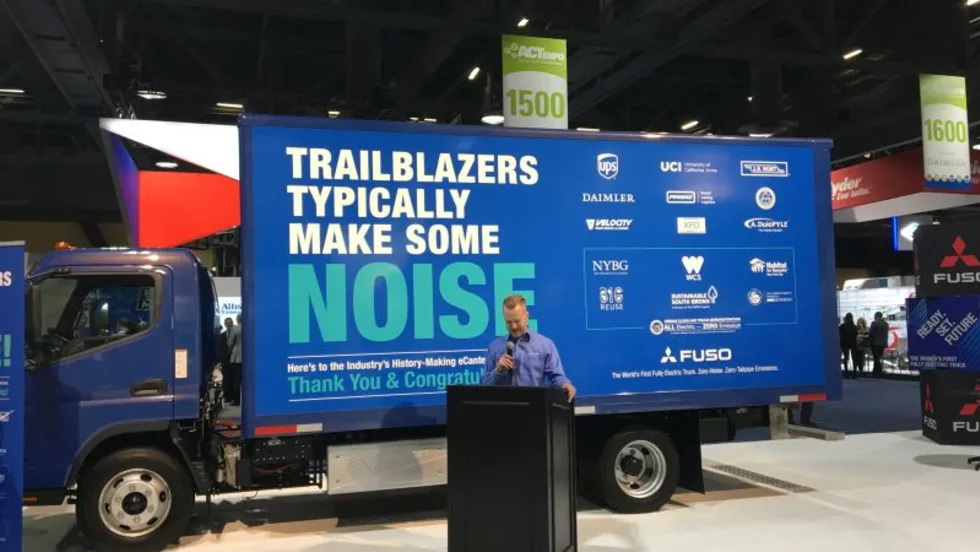
The Future is Electric, But…
With an increasing emphasis on emissions reductions mandates, will fleet operators get caught between clean technologies on their way out and an electric future that hasn’t yet arrived?
Read More →
6 Trend Lines from the 2019 Work Truck Show
From giant leaps in torque and towing to heavy duty truck personalization and chassis cab styling, these trends emerged from this year’s Work Truck Show in Indianapolis.
Read More →
They’re Coming for Your Diesel
In Southern California and other parts of the world, regulators are coalescing to ban, or severely curtail, diesel vehicles. There’s a growing disconnect with the mandates to green the environment and the availability of products and technologies to get us there.
Read More →
Hey Cannabis Companies, Welcome to Fleet
An industry is forming, and it needs help with fleet. In the meantime, the fleet industry should know that these new businesses are navigating extraordinary circumstances, which is forcing them to be better fleet operators pretty darn quick.
Read More →
Takeaways from the Fleet Forward Conference
Most attendees — from established fleets and vendors to new players that were only formed five years ago — didn’t know anyone. But that’s exactly the point.
Read More →
Is it Time to Rethink How Drivers Are Paid?
With the ELD rule affecting miles driven, and drivers’ duties increasingly including more than just driving the vehicle, what can be done to more accurately and fairly reflect a driver’s workday?
Read More →
Whatever Happened to CNG?
While the light-duty market for compressed natural gas vehicles has almost evaporated, new near zero emissions technology and drastic reductions in infrastructure costs have reinvigorated the market for medium- and heavy-duty applications — even for smaller fleets.
Read More →