


Rentals and Terrorist Activity: Time to Hone the Plan
Terrorist activity is frequently tied to a rental vehicle. In today’s heightened risk environment and the potential for terrorism from within, local operators need to hone an action plan.

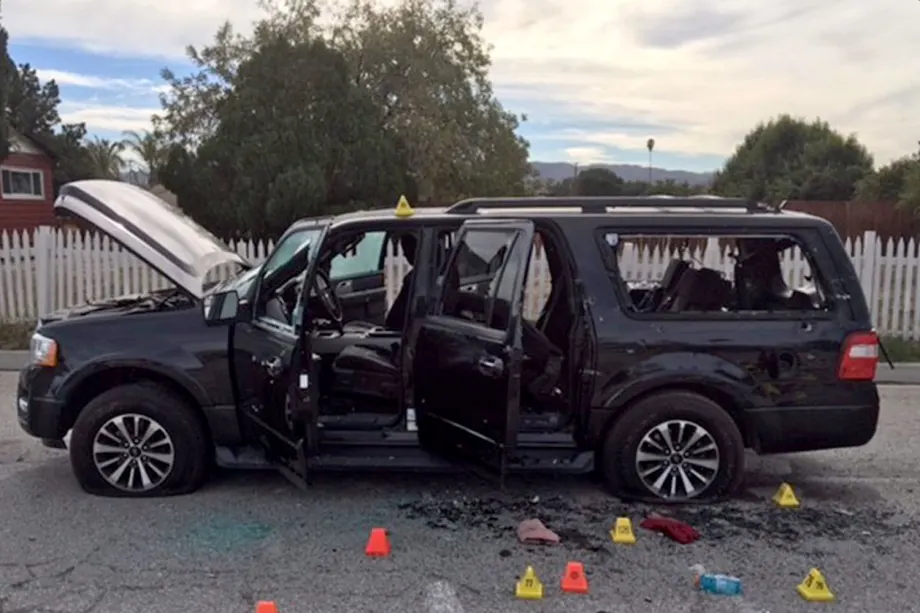
Photo courtesy of San Bernardino County Sheriff's Department.
Two weeks after 9/11, Gil Cygler recounts getting a call that one of his rental trucks was abandoned and had caught on fire on a bridge leading into Manhattan. “We didn’t know if the fire was caused to destroy evidence or if (the truck) was involved in a possible terrorist attack,” says Cygler, a Dollar franchisee at the time. He got a hold of the FBI, who seemed to dismiss the event since the truck’s owner had been identified. Luckily, the fire turned out to have been caused by an engine malfunction.
Times have changed — even more dramatically within the past year — as the threat of terrorism and the actual commission of terrorist acts have reached an unprecedented level of urgency in this country and around the world. Historically, rental vehicles have played roles in high-profile terrorist attacks, specifically the trucks used to deliver bombs that detonated in the World Trade Center in 1993 and in the federal building in Oklahoma City in 1995. They are used with regularity in terrorist attacks today.
“We have recognized that terrorist activity is very frequently tied to someone renting a vehicle,” says Bob Kolasky from the Department of Homeland Security (DHS), “either using the rental vehicle while committing the act of violence or in pre-attack plotting.”
More recently, we saw the photos of the bullet-riddled rented Ford Expedition that the San Bernardino terrorists died in, the one they used to haul assault rifles, guns, and 1,400 rounds of ammunition. Omar Mateen, the Orlando nightclub mass murderer, rented a vehicle and drove it to Orlando to carry out that attack. A Belgian rental car was used in the attack on the Bataclan Concert Hall in Paris last year that killed 89 people. And last week in Nice, a rented truck was used as a weapon itself to murder 84 people.
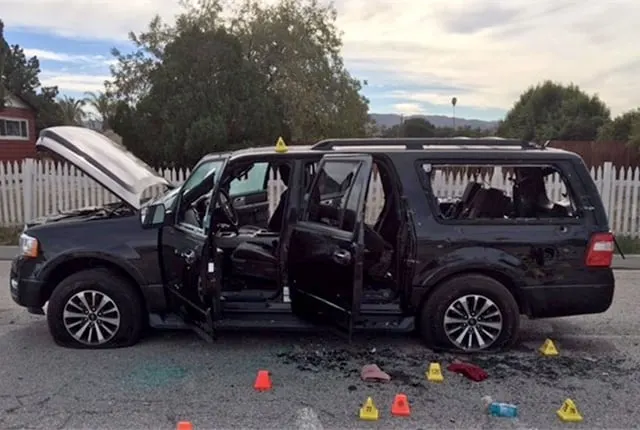
Photo courtesy of San Bernardino County Sheriff's Department.
Since Cygler’s post-9/11 incident, there has been an evolution regarding the interaction between businesses, the general public, and law enforcement when it comes to understanding potential terrorist activity and reporting it. Indeed, attendees of this year’s International Car Rental Show will remember Kolasky’s address on this subject in conjunction with the DHS’s “If You See Something, Say Something” campaign to raise public awareness of suspicious activities that may suggest acts of terrorism.
The DHS has an action plan for car rental operators and businesses of all types, centered on “Connect, Plan, Train, and Report.”
In terms of promoting awareness of suspicious activity, the DHS does have resources for understanding the signs of bomb-making materials and behavioral indicators of a path to radicalization. However, the goal is not to tell car rental companies how to specifically identify suspicious behavior over the car rental counter, but rather give businesses and individuals the resources to connect, and allow them to be comfortable doing so.
“We’re constantly working on public-private partnerships on the security director level to talk through what we’re seeing overall,” says Kolasky, “and then let them (different businesses types) apply that to their own operational settings and their own levels of security.”
The best connections for car rental operators are on a local level. The primary contact is local law enforcement. Make them aware of your business, if you haven’t already. You don’t need the DHS to do that.
Another resource is the FBI’s “InfraGard” program, in which special agents in field offices work with local businesses to proactively share information. The program is organized by chapters and local points of contact.
A third is the DHS’s Protective Security Advisors program. With about 100 in the country and one in every state, this group of government liaisons will work with businesses to provide free security consulting and help implement and strengthen facility-level security programs. Once those relationships are established, those advisors are also conduits to report suspicious activity, Kolasky says.
In contrast to Cygler’s experience, Kolasky says the DHS has implemented a feedback mechanism so that reporters of suspicious activity know their information was received and evaluated, even if the incident is ultimately cleared from suspicion. “Nothing discourages people more than reporting things into a black hole,” Kolasky says.
Regarding how to look for suspicious activity, signs of nervousness or a cash rental without a reservation can raise the red flags. Cygler, who subsequently created his own car rental brand (AllCar, which sold to Enterprise in 2015), says that asking a few extra questions is effective in identifying suspicious activity, especially regarding truck rentals.
“Ask them what they’re carrying or using the truck for,” he says, adding that a renter that doesn’t ask questions might also raise suspicion. “If the guy could care less about how the truck operates — if there is a lift gate or a ramp, or if the truck is at loading dock height — that could tell you something is off.”
As terror attacks seem to occur weekly, it’s easy to allow ourselves to become numb to more bad news. “It is disconcerting that you even have to start thinking about these things,” Cygler says. “You’re always on the lookout for credit card fraud and identity theft, and this (potential terrorist activity) just adds another layer.”
Unlike 9/11, a new trend is attacks generated from perpetrators already on U.S. soil. Instead of dulling our resolve, this fact alone shows the importance for increased vigilance.
“The way we stop terrorism is to increase the likelihood that (the potential terrorist) will get caught in one of the many steps along the way,” Kolasky says. “The moment of renting a car is often one of those steps. We want to increase the likelihood that someone will report on suspicious activity and cause us to take a second look.”
More Blog Posts
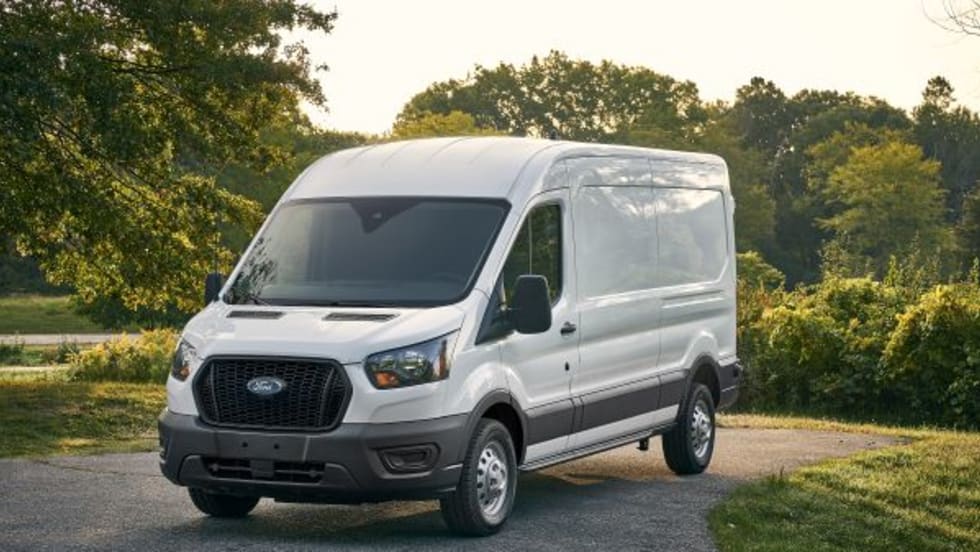
2021 Ford Transit Offers Versatility for Fleets
For the 2021-MY, Ford made ergonomic enhancements for drivers and added an available Parcel Delivery Package. This follows a major refresh in 2020, which added a Crew version, a new standard engine, standard active safety technologies, and embedded telematics to the Transit van family.
Read More →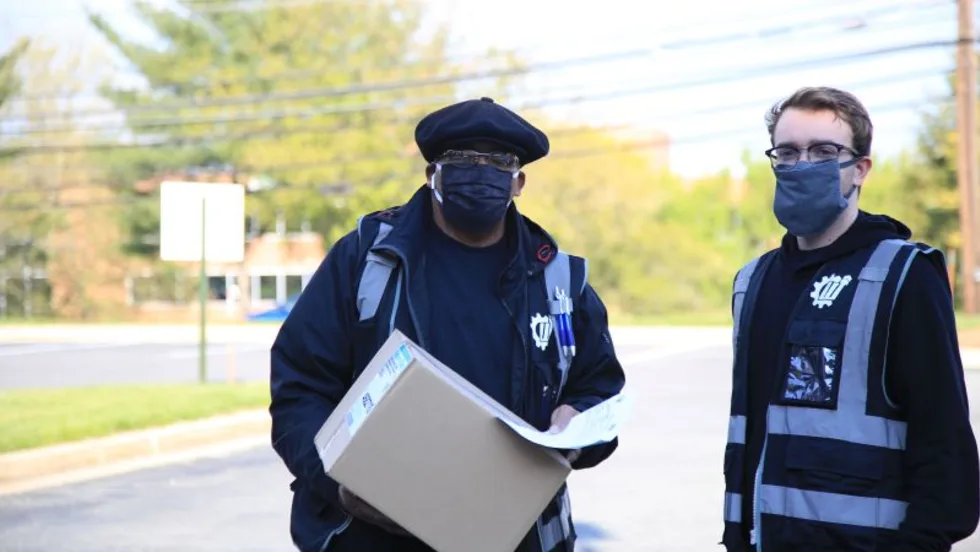
Recognizing the Other Essential Drivers
Vocational and business fleet drivers don’t get the attention that truckers do. Yet they too are on the front lines, and their jobs often bring them into uncontrolled environments every day.
Read More →
It’s Time to Formulate an ADAS Game Plan
As proliferation of Advanced Driver Assistance Systems (ADAS) increases, skilled labor, equipment, and training costs will increase as well. Fleet operators can’t mitigate these financial burdens by cutting corners on ADAS recalibration and repairs.
Read More →
The Future is Electric, But…
With an increasing emphasis on emissions reductions mandates, will fleet operators get caught between clean technologies on their way out and an electric future that hasn’t yet arrived?
Read More →
6 Trend Lines from the 2019 Work Truck Show
From giant leaps in torque and towing to heavy duty truck personalization and chassis cab styling, these trends emerged from this year’s Work Truck Show in Indianapolis.
Read More →
They’re Coming for Your Diesel
In Southern California and other parts of the world, regulators are coalescing to ban, or severely curtail, diesel vehicles. There’s a growing disconnect with the mandates to green the environment and the availability of products and technologies to get us there.
Read More →
Hey Cannabis Companies, Welcome to Fleet
An industry is forming, and it needs help with fleet. In the meantime, the fleet industry should know that these new businesses are navigating extraordinary circumstances, which is forcing them to be better fleet operators pretty darn quick.
Read More →
Takeaways from the Fleet Forward Conference
Most attendees — from established fleets and vendors to new players that were only formed five years ago — didn’t know anyone. But that’s exactly the point.
Read More →
Is it Time to Rethink How Drivers Are Paid?
With the ELD rule affecting miles driven, and drivers’ duties increasingly including more than just driving the vehicle, what can be done to more accurately and fairly reflect a driver’s workday?
Read More →
Whatever Happened to CNG?
While the light-duty market for compressed natural gas vehicles has almost evaporated, new near zero emissions technology and drastic reductions in infrastructure costs have reinvigorated the market for medium- and heavy-duty applications — even for smaller fleets.
Read More →