


Roadcheck Is Now – Are You In Compliance?
More than 1,000 inspections per hour in North America are being conducted in a 72-hour period. Some small fleets may not know that the regulations covered in the inspections apply to them.

For 72 hours starting June 4, tens of thousands of commercial vehicles and their drivers will be inspected across North America in the largest targeted safety enforcement campaign in the world.
Roadcheck 2013 is an annual safety initiative run by the nonprofit safety coalition Commercial Vehicle Safety Alliance (CVSA) in conjunction with local, state, provincial and federal transportation departments. Last year, more than 9,500 inspectors at 2,500 checkpoints conducted a record 74,072 vehicle inspections – more than 1,000 inspections an hour – that resulted in 22.4% of vehicles and 3.9% of drivers placed out of service.
The preponderance of vehicle violations involved brakes, tires and lights. The top two driver violations were outdated hours-of-service logs and missing medical cards. This year’s Roadcheck will emphasize cargo securement, and jurisdictions are also encouraged to establish a local focus item.
Being put out of service means the vehicle or driver will be grounded on the spot until the citation is remediated. “As they (inspectors) find violations, the deeper they’ll dig,” says Don Scare, regional fleet services manager for fleet management services provider PHH. Scare adds that being put out of service snowballs into other issues such as towing costs, loss of productivity and poor customer service.
Next week’s safety blitz can be especially tricky for small fleets because Roadcheck isn’t just for truckers – the inspections will be conducted on all commercial vehicles and their drivers. And some small fleets might not even know that they fall under these regulations that are governed by the FMCSA (Federal Motor Carrier Safety Administration) and USDOT (U.S. Department of Transportation).
Companies that operate commercial vehicles transporting passengers or hauling cargo in interstate commerce must be registered with the FMCSA and must have a USDOT Number. Fleets carrying hazardous materials fall under USDOT regulations, though those fleets are most likely well aware of their obligation already, Scare says. Even if you don’t operate outside of your state, you may fall under these regulations, as more than half of the 50 states have adopted federal rules. “You must know the law in your given state,” Scare says.
As of 2008, a commercial vehicle is defined as any vehicle with a GVWR (gross vehicle weight rating) of more than 10,000 pounds, down from 16,000 pounds GVWR previously. Some smaller fleets may not have replaced vehicles since then, and may not know that moving from a half-ton to a three-quarter ton pickup could put you over 10,000 pounds GVWR. And if you’re towing a trailer, that weight is counted toward the 10,000-pound threshold.
“We have had a dramatic increase in the last year of clients that are operating vehicles classified as commercial vehicles and who need our services to become DOT compliant,” Scare says.
And with that change has come greater scrutiny from regulators. “There has been more of a focus on light- and medium-duty trucks in the last few years as states became more aware of fleets that are operating in that class that are not compliant with the law,” he adds.
Roadcheck fines can run as high as $10,000 or higher, according to Scare. Not only are inspectors looking for non-compliant vehicles and drivers, but also general infractions such as texting or cell phone use while driving.
Scare has seen fleets try to avoid DOT regulations by using vehicles under 10,000 pounds GVWR and then overloading them. “Now they are in another situation,” he says. “They are being pulled over for inspection but also because they are overweight. It creates a whole gamut of issues.”
To prepare fleets in regards to the inspections, the CVSA has created this tip sheet.
For fleets new to the world of DOT regulations, compliance entails following hours of service regulations, maintaining a driver qualification file for each driver and proper display of the USDOT number on the vehicle.
Compliance may seem onerous for fleets new to the regulations. “Once you step into the commercial arena, your documentation, your accuracy of auditing and your retention of records become very important,” Scare says. “But once you go through the initial set up of that process, it becomes turnkey.”
Certainly, next week would not be a good time to find all this out.
More Blog Posts
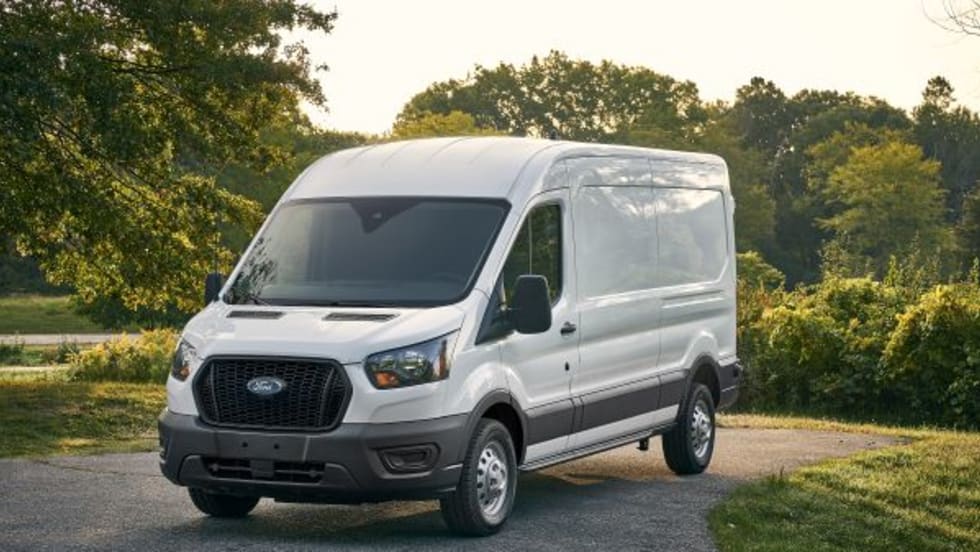
2021 Ford Transit Offers Versatility for Fleets
For the 2021-MY, Ford made ergonomic enhancements for drivers and added an available Parcel Delivery Package. This follows a major refresh in 2020, which added a Crew version, a new standard engine, standard active safety technologies, and embedded telematics to the Transit van family.
Read More →
Recognizing the Other Essential Drivers
Vocational and business fleet drivers don’t get the attention that truckers do. Yet they too are on the front lines, and their jobs often bring them into uncontrolled environments every day.
Read More →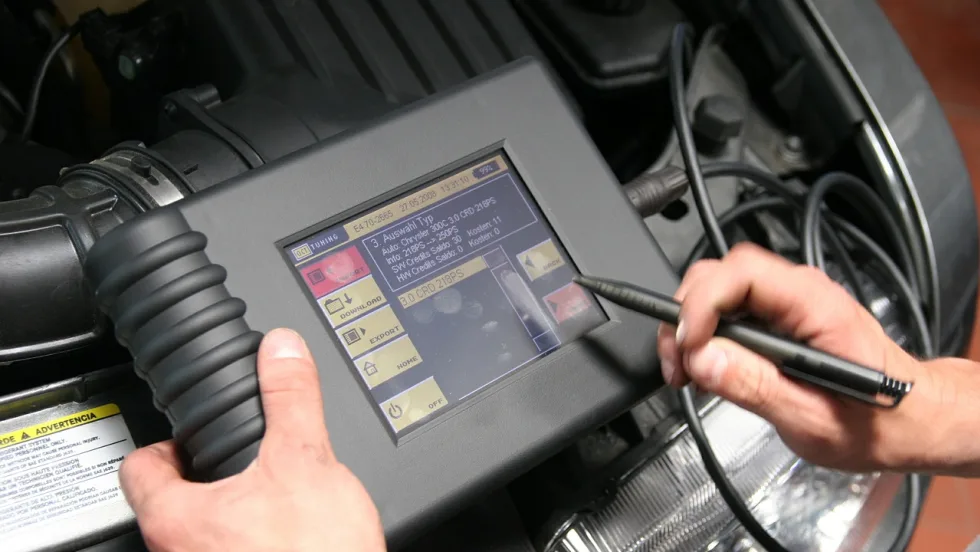
It’s Time to Formulate an ADAS Game Plan
As proliferation of Advanced Driver Assistance Systems (ADAS) increases, skilled labor, equipment, and training costs will increase as well. Fleet operators can’t mitigate these financial burdens by cutting corners on ADAS recalibration and repairs.
Read More →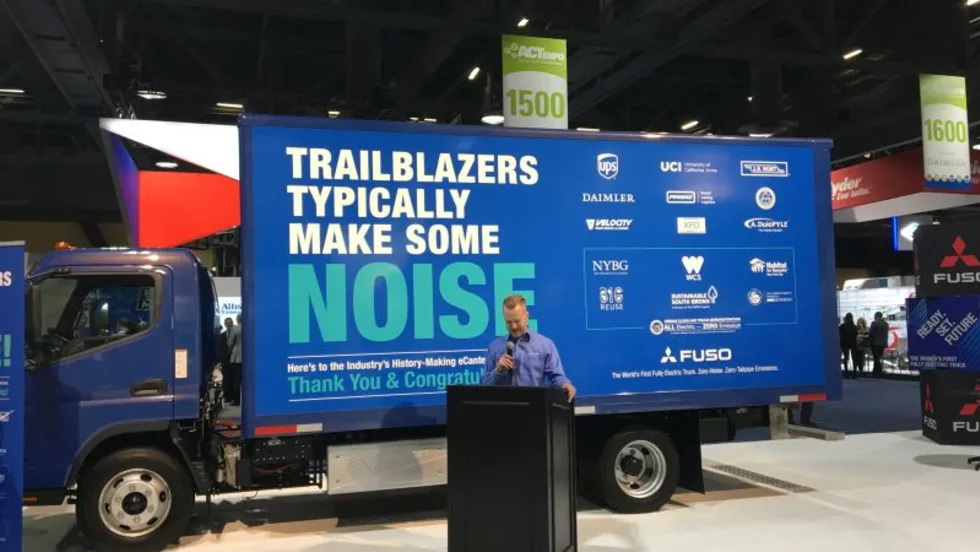
The Future is Electric, But…
With an increasing emphasis on emissions reductions mandates, will fleet operators get caught between clean technologies on their way out and an electric future that hasn’t yet arrived?
Read More →
6 Trend Lines from the 2019 Work Truck Show
From giant leaps in torque and towing to heavy duty truck personalization and chassis cab styling, these trends emerged from this year’s Work Truck Show in Indianapolis.
Read More →
They’re Coming for Your Diesel
In Southern California and other parts of the world, regulators are coalescing to ban, or severely curtail, diesel vehicles. There’s a growing disconnect with the mandates to green the environment and the availability of products and technologies to get us there.
Read More →
Hey Cannabis Companies, Welcome to Fleet
An industry is forming, and it needs help with fleet. In the meantime, the fleet industry should know that these new businesses are navigating extraordinary circumstances, which is forcing them to be better fleet operators pretty darn quick.
Read More →
Takeaways from the Fleet Forward Conference
Most attendees — from established fleets and vendors to new players that were only formed five years ago — didn’t know anyone. But that’s exactly the point.
Read More →
Is it Time to Rethink How Drivers Are Paid?
With the ELD rule affecting miles driven, and drivers’ duties increasingly including more than just driving the vehicle, what can be done to more accurately and fairly reflect a driver’s workday?
Read More →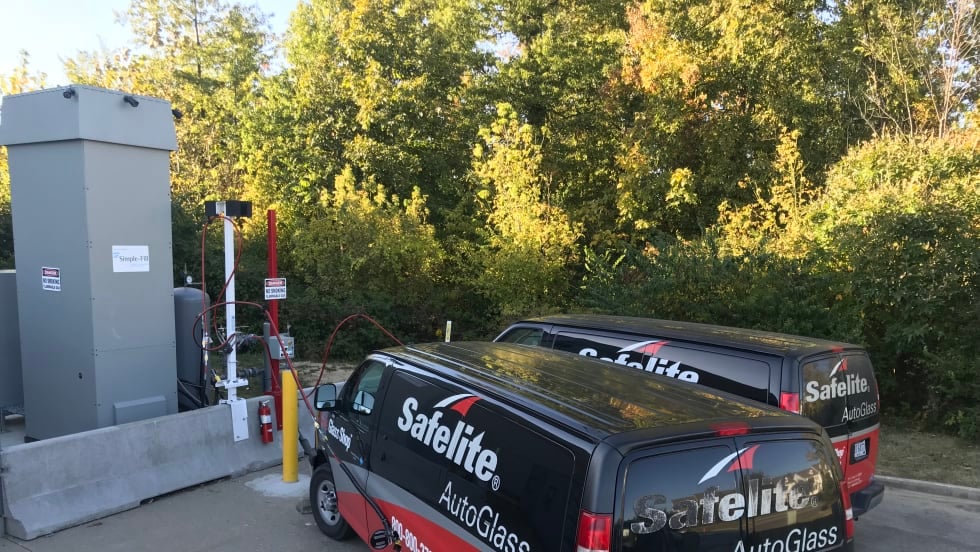
Whatever Happened to CNG?
While the light-duty market for compressed natural gas vehicles has almost evaporated, new near zero emissions technology and drastic reductions in infrastructure costs have reinvigorated the market for medium- and heavy-duty applications — even for smaller fleets.
Read More →