


Safety Tech: Crash Avoidance or Sensory Overload?
As advanced safety technologies become even more pervasive on mainstream vehicles, are we creating “stupid drivers?"

Step into any new car, and a host of technologies are at your fingertips. It’s sensory overload to the point of potential distraction. This is ironic, knowing that some of those features are designed to keep you from crashing.
Keeping drivers safe is a given. But for fleet operators, economic realities must be weighed when considering crash avoidance options. These options are most often bundled in packages, and they’re not cheap, with price tags of $1,000 or more — and carry question marks as to their retention at resale. So if you’re buying 10 new vehicles, how do you make the case to add $10,000 to your fleet budget?
Safety options are too numerous to describe on this page, but they can generally be divided into systems that alert drivers to dangerous situations and those that actively take control of the vehicle to avoid a crash.
Some systems, such as antilock brakes and electronic stability control, have migrated to standard equipment, along with rearview cameras starting next year. But for the systems you’re able to choose, can you make judgments as to which ones are most effective for the money? The Highway Loss Data Institute (HLDI), the research partner of the Insurance Institute for Highway Safety (IIHS), has insights.
The biggest takeaway from HLDI’s research is that front crash prevention systems are effective. These systems detect proximity to a vehicle and issue a warning to the driver, while pre-charging the brakes. Many systems also brake the vehicle autonomously.
Actual crash and insurance claim data analyzed by HLDI found that vehicles equipped with front crash prevention technology resulted in markedly fewer front crashes than vehicles without. Though these systems vary by complexity and manufacturer, the results showed lower claim rates across the board. Systems that combine a forward collision warning with automatic braking cut rear-end crashes in half.
For other safety technologies, the results aren’t as clear. HLDI found that studies of rear cameras and blind-spot monitoring systems in seven manufacturers resulted in reduced rates of damage of 4% to 6%, or not at all.
Lane departure warning systems revealed no consistent changes in insurance claims for run-off-road crashes, the incidences those systems would be likely to prevent. And they’re turned off half the time, according to an IIHS survey.
“People are turning off [lane departure warning] because they deem it ‘annoying’ and ‘distracting’ due to the frequency of alerts, especially in situations where it's not an issue of not paying attention, but rather that street lines are wavy or faded in ways that trick the system,” says Becky Mueller, senior research engineer for IIHS.
Any qualitative analysis of safety systems should be brought up with another theory — that these new technologies are creating “stupid drivers.”
As these systems become increasingly more complex, and more widely available on mainstream, non-luxury vehicles, we run the risk of relying on the vehicle to do the work for us to keep us out of trouble. (I remember a close call driving my wife’s car, which does not have a backup camera, after regularly relying on the backup camera and audible sensor in my car.)
This paradox has a name — the Yerkes-Dodson law — which correlates the levels of engagement and disengagement to determine optimal achievement. In vehicles, too much stimulation could overwhelm a driver while too little stimulation drives complacency.
This paradox becomes more troubling on the path to autonomous vehicles. Someday, the user will be completely detached from control of the vehicle. In the meantime, these technologies will still need the driver to take over, even as technology increasingly manages more of the task of driving.
Adopting safety technology in fleet vehicles is but one avenue fleet operators can take to make fleets safer. Other measures are more straightforward and economical. For instance, IIHS testing shows dramatic differences in vehicle damages when speeds were reduced by 12 mph. How much does it cost to tell your drivers to simply “slow down”?
Texting while driving is an epidemic — one out of every four car accidents in the U.S. is caused by texting and driving. How much does it cost to reinforce to drivers to “put the phone away”?
With perennially strained fleet budgets, non-tech, face-to-face reinforcements of proper driver behavior might be the most urgent and cost-effective way to concentrate your safety efforts.
More Blog Posts
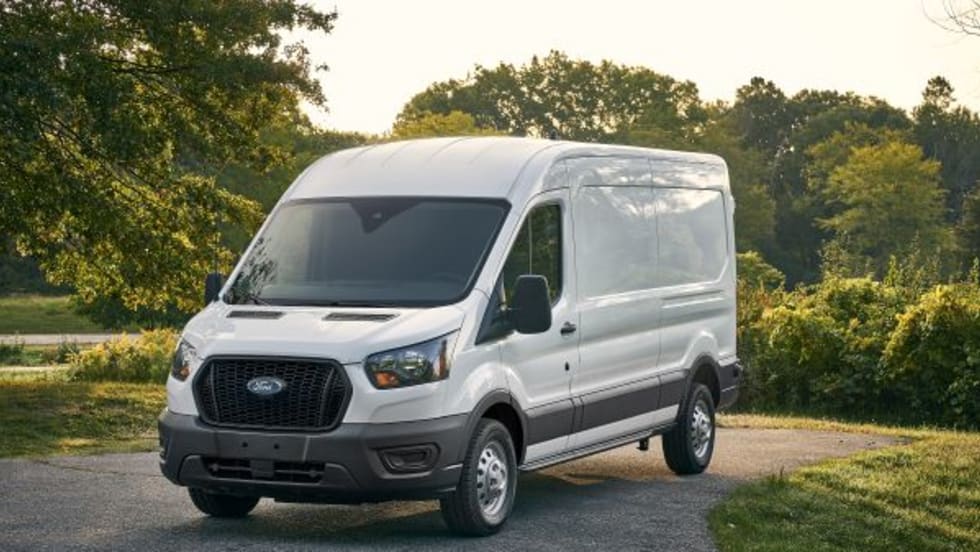
2021 Ford Transit Offers Versatility for Fleets
For the 2021-MY, Ford made ergonomic enhancements for drivers and added an available Parcel Delivery Package. This follows a major refresh in 2020, which added a Crew version, a new standard engine, standard active safety technologies, and embedded telematics to the Transit van family.
Read More →
Recognizing the Other Essential Drivers
Vocational and business fleet drivers don’t get the attention that truckers do. Yet they too are on the front lines, and their jobs often bring them into uncontrolled environments every day.
Read More →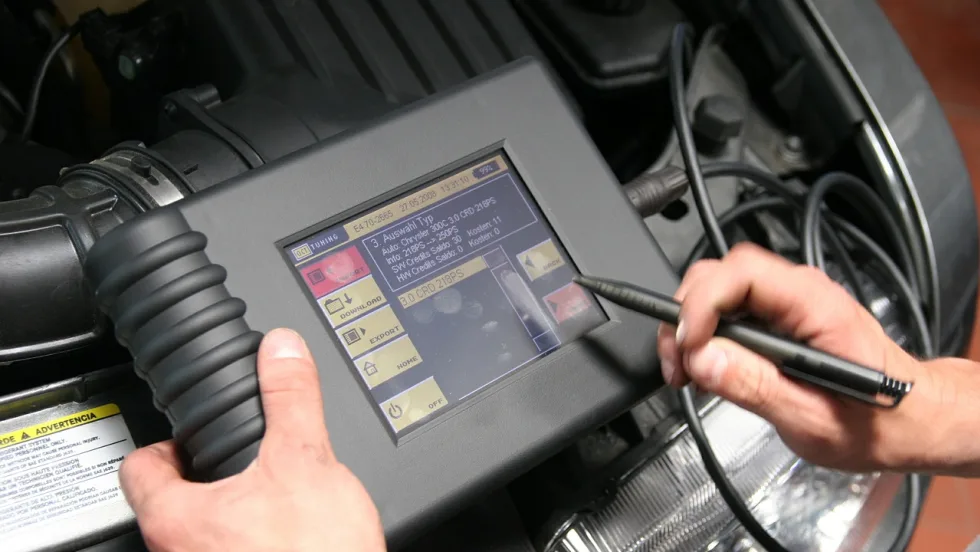
It’s Time to Formulate an ADAS Game Plan
As proliferation of Advanced Driver Assistance Systems (ADAS) increases, skilled labor, equipment, and training costs will increase as well. Fleet operators can’t mitigate these financial burdens by cutting corners on ADAS recalibration and repairs.
Read More →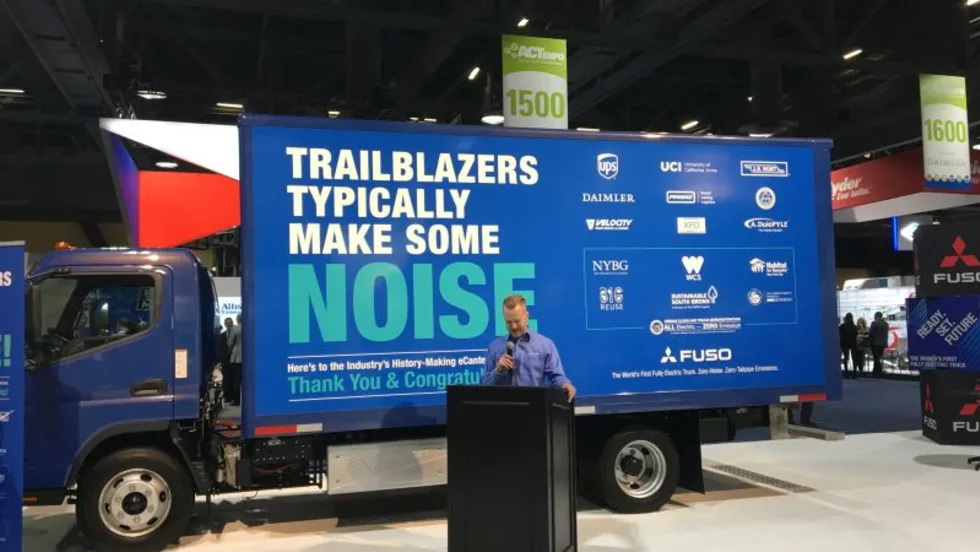
The Future is Electric, But…
With an increasing emphasis on emissions reductions mandates, will fleet operators get caught between clean technologies on their way out and an electric future that hasn’t yet arrived?
Read More →
6 Trend Lines from the 2019 Work Truck Show
From giant leaps in torque and towing to heavy duty truck personalization and chassis cab styling, these trends emerged from this year’s Work Truck Show in Indianapolis.
Read More →
They’re Coming for Your Diesel
In Southern California and other parts of the world, regulators are coalescing to ban, or severely curtail, diesel vehicles. There’s a growing disconnect with the mandates to green the environment and the availability of products and technologies to get us there.
Read More →
Hey Cannabis Companies, Welcome to Fleet
An industry is forming, and it needs help with fleet. In the meantime, the fleet industry should know that these new businesses are navigating extraordinary circumstances, which is forcing them to be better fleet operators pretty darn quick.
Read More →
Takeaways from the Fleet Forward Conference
Most attendees — from established fleets and vendors to new players that were only formed five years ago — didn’t know anyone. But that’s exactly the point.
Read More →
Is it Time to Rethink How Drivers Are Paid?
With the ELD rule affecting miles driven, and drivers’ duties increasingly including more than just driving the vehicle, what can be done to more accurately and fairly reflect a driver’s workday?
Read More →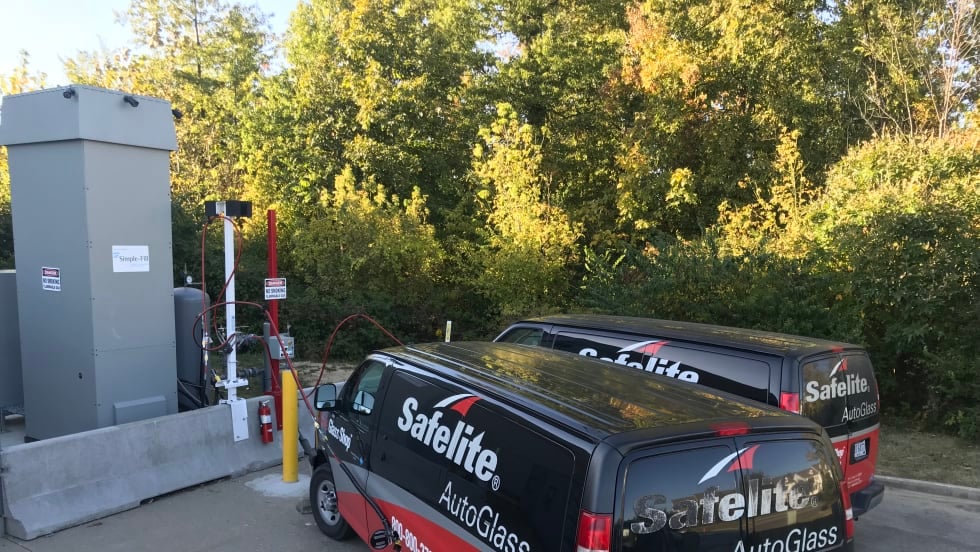
Whatever Happened to CNG?
While the light-duty market for compressed natural gas vehicles has almost evaporated, new near zero emissions technology and drastic reductions in infrastructure costs have reinvigorated the market for medium- and heavy-duty applications — even for smaller fleets.
Read More →