


Should Fleet Drivers Pay Their Own Violations?
With technology aiding the ability to administer traffic fines, fleets need to address their procedures for paying them. Accountability is paramount.

What do you get when you cross a cash-strapped municipality with emerging technology? Poorer drivers, is what you get. From controversial red-light enforcement cameras to cashless toll lanes and smart parking meters, cities and counties are stepping up enforcement using the latest systems to make sure no infraction gets away.
“The increase in the number of toll roads and an increase in states using automated enforcement — coupled with tolling authorities and parking authorities’ crackdowns on violations — is a growing issue that needs to be addressed,” says Charles Territo, senior vice president of communications, marketing and public affairs at American Traffic Solutions (ATS). ATS installs and manages red-light, speed safety cameras and school bus stop-arm cameras in North America, while its fleet services division provides outsourced services for fleets to manage tolls and violations.
As a solutions provider, Territo does have a vested interest in the subject. But others concur. “Yes, there is an increase in toll roads,” writes Peter Samuel, editor of TOLLROADSnews. (If you didn’t think there was a trade publication for everything, now you will.) Samuel says toll road growth is heavily concentrated in Florida and Texas, with the odd new one popping up in other states. Samuel adds that there is an even greater preponderance of new toll express lanes projects alongside free lanes in highways throughout major metro areas.
And those “smart” parking meters — they use GPS and sensors buried in the street to not only reset the meter when you leave, but also notify parking authorities when your time has expired to give you a ticket. More of those are coming, too.
So with these new ways of enforcement, how should fleets react?
First and foremost, Territo recommends that fleets clearly define policies for tolls and violations with regards to their drivers. Territo also suggests that drivers — not the company that owns the fleet — should pay their own fines. Why? “The tolls, violations, fines and fees are becoming too costly for fleets to simply absorb,” he says, noting that the vast majority of fleets working with ATS transfer liability.
Territo gives two more reasons: First, transferring liability to drivers allows them to retain due process, which means they can contest perceived unfair violations instead of just letting the company pay for them.
The second reason regards changing driver behavior, in that drivers are held accountable for their actions. “We’ve found that 90% of individuals across the country who receive a violation and pay the fine from a red-light camera or speed camera or school bus stop-arm camera don’t commit another violation,” Territo says, “and this accountability also improves safety.”
If fleets choose not to transfer liability to their drivers, they should have a process in place to pay any violations quickly to avoid costly administrative fees, Territo says. For fleets that must deal with a myriad of issuing authorities, and thus a myriad of rules and fees associated with all of them, outsourcing the process could make sense, he adds.
Two fleets — GO Riteway, a ground transportation company based in Milwaukee, and Big Apple Circus, serving New York and other Eastern states — concur with the idea to make drivers pay, though with mitigating circumstances.
“It has been the policy of GO Riteway to have the drivers pay for violations when it is due to errors on their part,” writes Jason Ebert, fleet and facilities manager for GO Riteway. Ebert writes that after receiving a violation not yet brought to his attention by the driver, the company will track down the offending driver. “In turn we talk to them and have them sign off on a wage garnishment for the violation,” he writes.
GO Riteway’s motorcoaches, airport shuttles and limousines have a company I-PASS account for use on toll roads in the neighboring state of Illinois.
“Our policy is that company drivers are responsible for their own actions,” writes Tom Larson, general manager of Big Apple Circus. “If they speed or get some other kind of ticket, they are liable to pay the fine themselves, unless they can prove extenuating circumstances.”
Larson cites parking tickets as the main excusable violation. “Sometimes when we are loading into certain venues, even though we might have a street permit to park rigs in a certain area, exuberant officers still ticket our vehicles,” he writes. “Or, sometimes the vagaries of a load in require us to park a rig on the wrong side of the street, facing the incorrect direction. That can bring a ticket, even with a street permit. We tell the drivers where to park, so if ticket ensues, of course the company will pay it.”
Similar to GO Riteway, all of the Big Apple Circus trucks are equipped with EZ Pass transponders, which make tolling a non-issue.
Growing up, we’re taught to be accountable for our actions. Accountability keeps us honest. It makes us better drivers and lessens headaches for fleets.
More Blog Posts
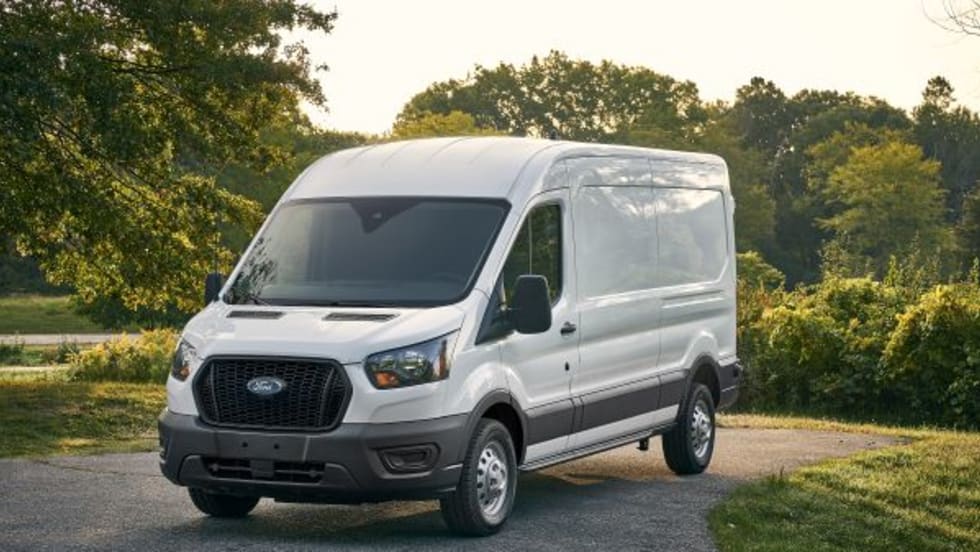
2021 Ford Transit Offers Versatility for Fleets
For the 2021-MY, Ford made ergonomic enhancements for drivers and added an available Parcel Delivery Package. This follows a major refresh in 2020, which added a Crew version, a new standard engine, standard active safety technologies, and embedded telematics to the Transit van family.
Read More →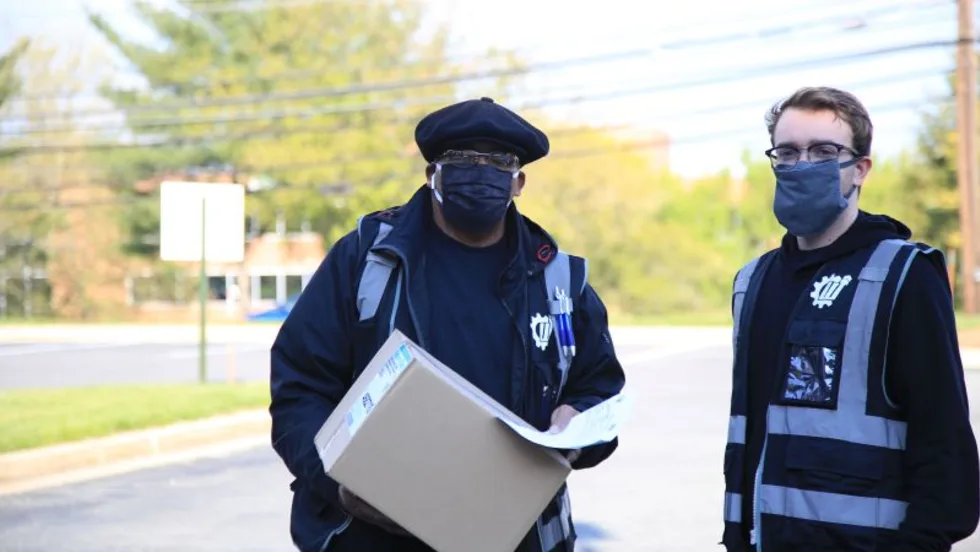
Recognizing the Other Essential Drivers
Vocational and business fleet drivers don’t get the attention that truckers do. Yet they too are on the front lines, and their jobs often bring them into uncontrolled environments every day.
Read More →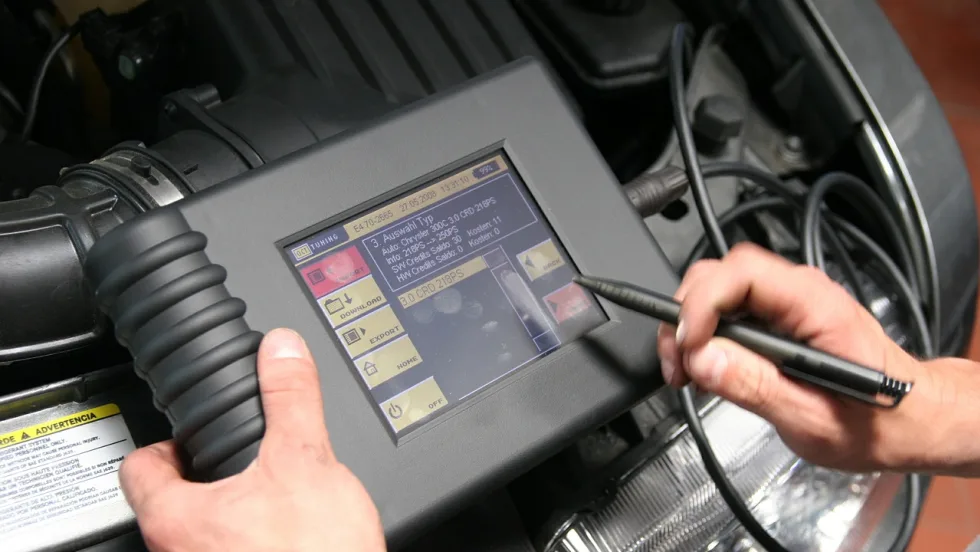
It’s Time to Formulate an ADAS Game Plan
As proliferation of Advanced Driver Assistance Systems (ADAS) increases, skilled labor, equipment, and training costs will increase as well. Fleet operators can’t mitigate these financial burdens by cutting corners on ADAS recalibration and repairs.
Read More →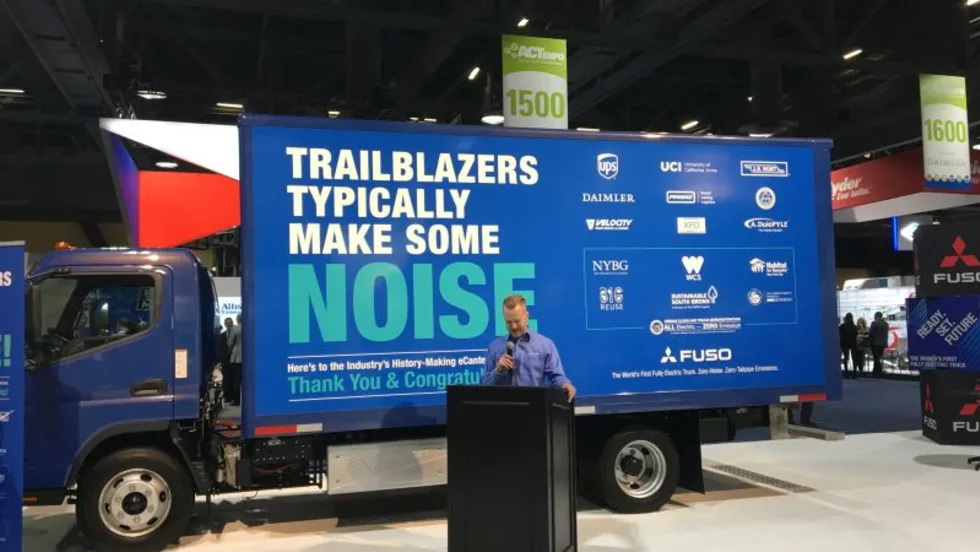
The Future is Electric, But…
With an increasing emphasis on emissions reductions mandates, will fleet operators get caught between clean technologies on their way out and an electric future that hasn’t yet arrived?
Read More →
6 Trend Lines from the 2019 Work Truck Show
From giant leaps in torque and towing to heavy duty truck personalization and chassis cab styling, these trends emerged from this year’s Work Truck Show in Indianapolis.
Read More →
They’re Coming for Your Diesel
In Southern California and other parts of the world, regulators are coalescing to ban, or severely curtail, diesel vehicles. There’s a growing disconnect with the mandates to green the environment and the availability of products and technologies to get us there.
Read More →
Hey Cannabis Companies, Welcome to Fleet
An industry is forming, and it needs help with fleet. In the meantime, the fleet industry should know that these new businesses are navigating extraordinary circumstances, which is forcing them to be better fleet operators pretty darn quick.
Read More →
Takeaways from the Fleet Forward Conference
Most attendees — from established fleets and vendors to new players that were only formed five years ago — didn’t know anyone. But that’s exactly the point.
Read More →
Is it Time to Rethink How Drivers Are Paid?
With the ELD rule affecting miles driven, and drivers’ duties increasingly including more than just driving the vehicle, what can be done to more accurately and fairly reflect a driver’s workday?
Read More →
Whatever Happened to CNG?
While the light-duty market for compressed natural gas vehicles has almost evaporated, new near zero emissions technology and drastic reductions in infrastructure costs have reinvigorated the market for medium- and heavy-duty applications — even for smaller fleets.
Read More →