


The <i>Auto Rental News</i> Redesign — What Do You Think?
Here’s a sneak peek at ARN’s new look coming out for the May/June print edition.


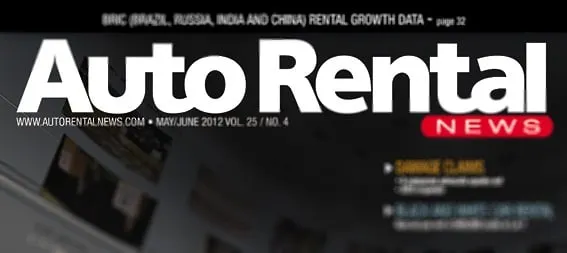
Frankly, it was time. The Auto Rental News logo design hadn’t changed since 2001 — in magazine years, the Cretaceous Period. (Before that, the magazine was last fully redesigned in 1991, so yes, we do drag our feet.) In the magazine world, even in the staid domain of business-to-business publications, freshening up your look every five years is recommended. On top of that, we’ve got a new art director on the magazine, and that’s what new art directors do, you know.
So what goes into a redesign?
If editors had their way, the page would be jammed with text, charts and infographics and you’d have to read it with a magnifying glass. If art directors had their way, the article would be written on one of Warhol’s soup cans. Not much info, but what a piece of art! Hopefully, the result is somewhere in between, and in service to you, the reader.
But seriously, folks, a magazine redesign is about updating the look to a more current style while still being in touch with the audience and making the reader experience more enjoyable. We’ve strived to clean up the presentation by redefining the look of the departments, and implemented other design elements such as breaking off portions of the body copy in easier-to-understand blocks of text. For images, we’re looking to move away from standard headshots by using more dynamic photos that showcase the article topic.
In terms of content, we’ve added a Web Table of Contents to give print readers an idea of what’s going on in the digital domain, including our web-exclusive content on http://www.autorentalnews.com/, and also in social media outlets such as ARN’s LinkedIn, Twitter and Facebook portals. (The social media revolution in the b-to-b world is real — we’re seeing the growth, especially in LinkedIn forums. If you’re not there yet, check us out!)
Otherwise, the content of the magazine hasn’t changed. The departments are still the same and can be found in their usual places. However, we’re constantly striving to give you relevant, up-to-date and well-written information. If we ever fail you on this, please let us know — as you have!
For you international readers, or anyone that doesn’t get the print version, this is a good time to mention that you can have the exact version of the magazine, instantly on your desktop, through our digital edition. View the latest edition here.
And so this photo gallery gives you a sneak peek of our fresh new look that will land on your desk in a few weeks. It would have been perfect to match the redesign with our 25th anniversary year, but that’s in 2013. We decided not to wait. We hope it works for you.
More Blog Posts
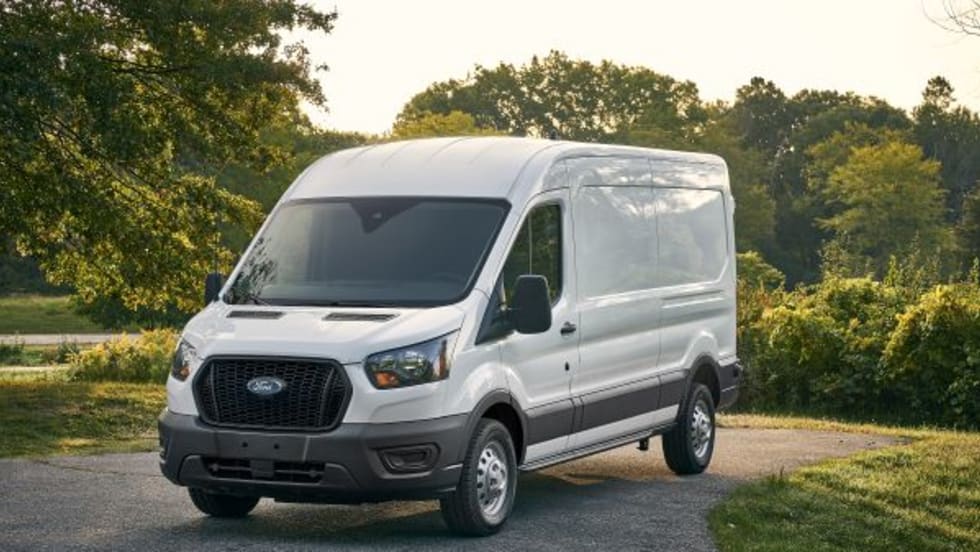
2021 Ford Transit Offers Versatility for Fleets
For the 2021-MY, Ford made ergonomic enhancements for drivers and added an available Parcel Delivery Package. This follows a major refresh in 2020, which added a Crew version, a new standard engine, standard active safety technologies, and embedded telematics to the Transit van family.
Read More →
Recognizing the Other Essential Drivers
Vocational and business fleet drivers don’t get the attention that truckers do. Yet they too are on the front lines, and their jobs often bring them into uncontrolled environments every day.
Read More →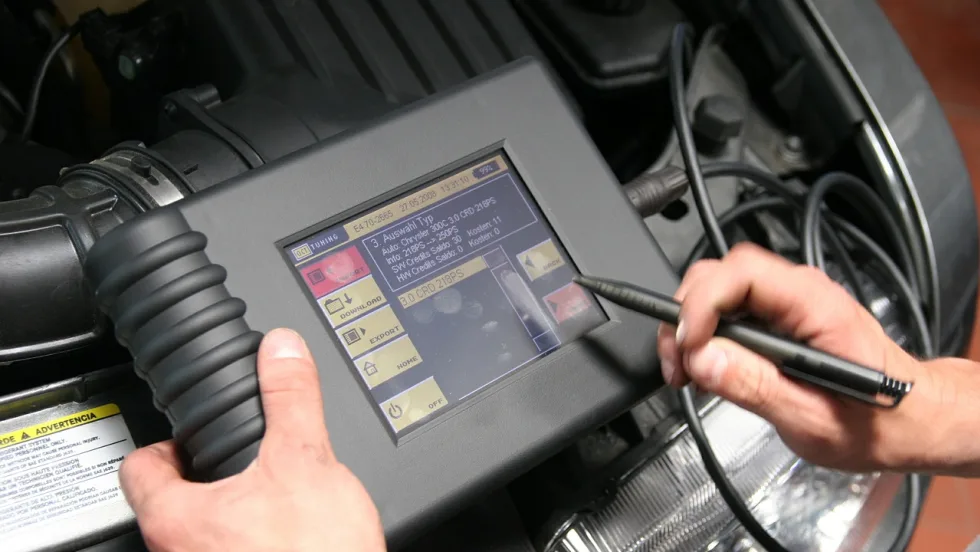
It’s Time to Formulate an ADAS Game Plan
As proliferation of Advanced Driver Assistance Systems (ADAS) increases, skilled labor, equipment, and training costs will increase as well. Fleet operators can’t mitigate these financial burdens by cutting corners on ADAS recalibration and repairs.
Read More →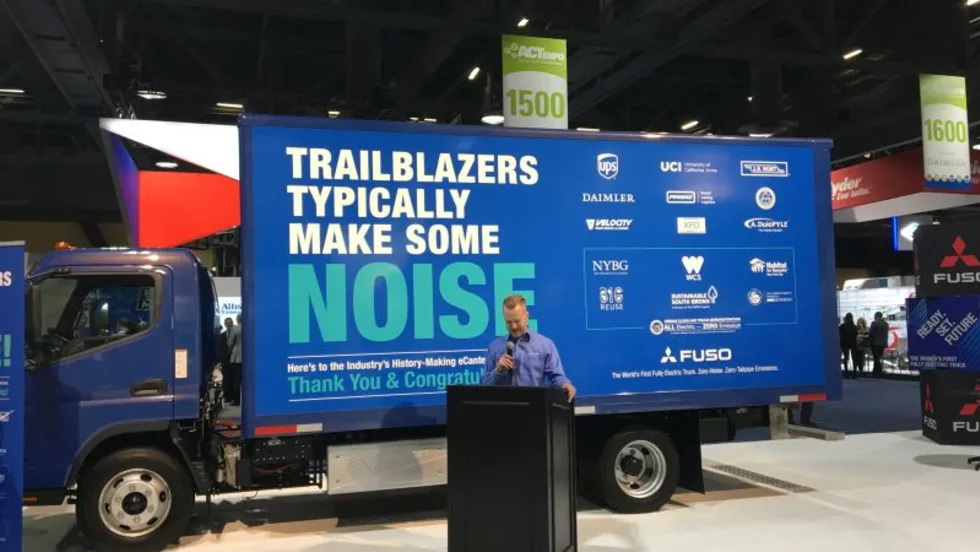
The Future is Electric, But…
With an increasing emphasis on emissions reductions mandates, will fleet operators get caught between clean technologies on their way out and an electric future that hasn’t yet arrived?
Read More →
6 Trend Lines from the 2019 Work Truck Show
From giant leaps in torque and towing to heavy duty truck personalization and chassis cab styling, these trends emerged from this year’s Work Truck Show in Indianapolis.
Read More →
They’re Coming for Your Diesel
In Southern California and other parts of the world, regulators are coalescing to ban, or severely curtail, diesel vehicles. There’s a growing disconnect with the mandates to green the environment and the availability of products and technologies to get us there.
Read More →
Hey Cannabis Companies, Welcome to Fleet
An industry is forming, and it needs help with fleet. In the meantime, the fleet industry should know that these new businesses are navigating extraordinary circumstances, which is forcing them to be better fleet operators pretty darn quick.
Read More →
Takeaways from the Fleet Forward Conference
Most attendees — from established fleets and vendors to new players that were only formed five years ago — didn’t know anyone. But that’s exactly the point.
Read More →
Is it Time to Rethink How Drivers Are Paid?
With the ELD rule affecting miles driven, and drivers’ duties increasingly including more than just driving the vehicle, what can be done to more accurately and fairly reflect a driver’s workday?
Read More →
Whatever Happened to CNG?
While the light-duty market for compressed natural gas vehicles has almost evaporated, new near zero emissions technology and drastic reductions in infrastructure costs have reinvigorated the market for medium- and heavy-duty applications — even for smaller fleets.
Read More →