


The Promise of Telematics for Small Fleets
Did you know women really are safer drivers than men? Using this and other types of big data to analyze risk is the new frontier for small fleets.

Women are safer drivers than men. You probably knew that from years of driving, but now there is hard evidence to back this up. Females exceed the speed limit 12% less than males; they “hard brake” 11% less males and they drive 28% less at night. In general, drivers spend the highest percentage of time speeding at 5:59 am, and the least amount of time at 5:16 pm.
These statistics were culled from a study in the UK done by Wunelli (a LexisNexis company) that tracked one billion miles of driving data using in-car telematics devices and smartphone telematics apps. The results open the door to new ways telematics data is being used to make driving safer. It has implications for fleets of all sizes and types — especially small fleets.
Fleets pioneered the use of telematics and GPS tracking with over-the-road trucking more than 20 years ago. The systems got better, and non-trucking and logistics fleets running smaller vehicles adopted them. Today, “The frontier is those small businesses where their primary business isn’t driving, and understanding the risk associated with those drivers,” says David Lukens, director of vertical marketing at LexisNexis.
A large fleet has always had a risk management advantage — with or without a telematics system — in that a fleet manager can gain real insight into crash data across a fleet of, say, 500 vehicles. Patterns emerge that can be acted on. For those large fleets, telematics systems only increase the scope and quality of the data.
For small fleets, however, the one-off accident might be viewed as an anomaly. If Bob wrecked his van while driving back to the office from his last appointment on Thursday, you wouldn’t think the accident could have been prevented. But what if you had telematics data collected and collated from hundreds of small fleets across various telematics providers? What if that data showed that 75% of accidents involving vans driven by HVAC contractors in New England happen at dusk within five miles of their home base?
This leads to the development of what’s called predictive First Notification of Loss (FNOL) algorithms and driver scoring. Lukens says that in three to five years driving records will be much more defined and accessible to vendors such as insurance carriers. While this trend may elicit the specter of Big Brother, and the data protection implications should not be taken lightly, it creates clarity that can be used beneficially.
In the U.K., insurance rates to drive a truck are prohibitively expensive for drivers under 30 years old. This is an impediment particularly for family businesses running small fleets, as it effectively prohibits the owners’ children from participating in a vital part of the business. Telematics data is changing the equation. “They’re applying telematics to push down the underwriting age for acceptable drivers by looking at how they drive rather than throwing them in an age bucket,” Lukens says.
This could be applied in the U.S. to drivers under 25, the age bracket with the highest risk and thus highest insurance premiums. Until now young drivers had to accumulate years of driving without crashes or traffic fines to prove they were safe. With a score based on actual driving patterns, they could now prove they’re safe drivers much quicker. Those carriers could then vouch for their under-25 clients who were traditionally prohibited from renting a car, for instance.
With transportation network companies such as Uber and Lyft, the elephant in the room is finding a way to insure those drivers properly. As those driving patterns are very distinct, telematics can separate personal from business driving. “There are some insurers starting to get into that space,” Lukens says.
Crunching Big Data and assessing risk across fleets, vehicle models, speed limits, traffic patterns and road types shows immense promise, but we’ve only scratched the surface. However, risk assessment tools are already in place for any fleet with a telematics system.
I spoke recently with a rep from an auto manufacturer involved in a telematics partnership. He was made aware of a fleet customer that suffered a costly injury accident. The company pulled the driver’s telematics data after the fact, which showed he was the proverbial “accident waiting to happen.”
That data was actionable, if it was only accessed it before the crash. That driver could’ve been coached and the crash may have been prevented. This type of already available knowledge is the most powerful and compelling benefit any telematics system can provide.
More Blog Posts
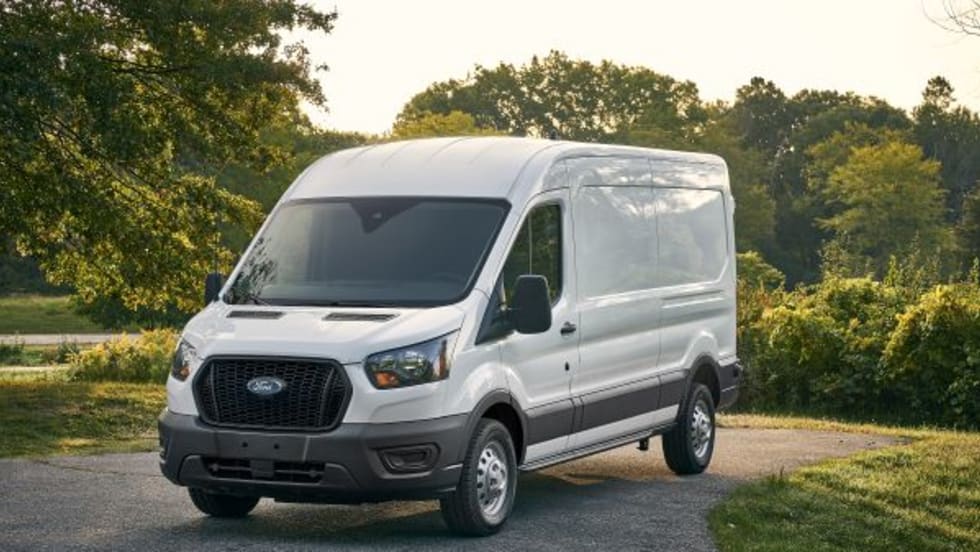
2021 Ford Transit Offers Versatility for Fleets
For the 2021-MY, Ford made ergonomic enhancements for drivers and added an available Parcel Delivery Package. This follows a major refresh in 2020, which added a Crew version, a new standard engine, standard active safety technologies, and embedded telematics to the Transit van family.
Read More →
Recognizing the Other Essential Drivers
Vocational and business fleet drivers don’t get the attention that truckers do. Yet they too are on the front lines, and their jobs often bring them into uncontrolled environments every day.
Read More →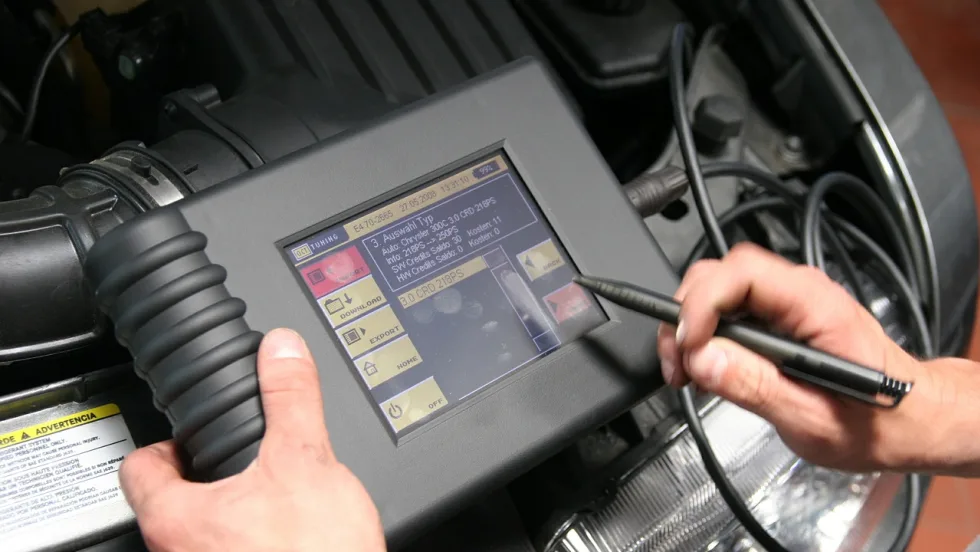
It’s Time to Formulate an ADAS Game Plan
As proliferation of Advanced Driver Assistance Systems (ADAS) increases, skilled labor, equipment, and training costs will increase as well. Fleet operators can’t mitigate these financial burdens by cutting corners on ADAS recalibration and repairs.
Read More →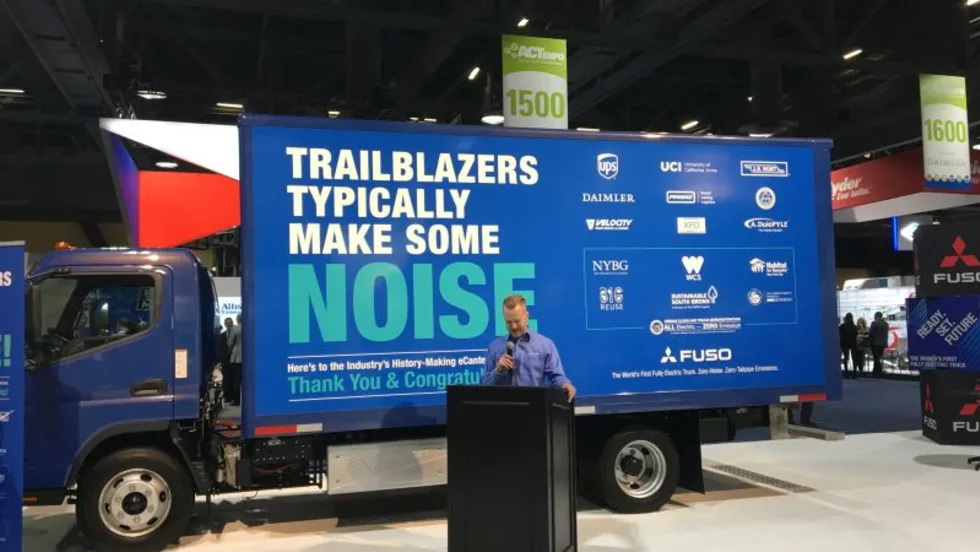
The Future is Electric, But…
With an increasing emphasis on emissions reductions mandates, will fleet operators get caught between clean technologies on their way out and an electric future that hasn’t yet arrived?
Read More →
6 Trend Lines from the 2019 Work Truck Show
From giant leaps in torque and towing to heavy duty truck personalization and chassis cab styling, these trends emerged from this year’s Work Truck Show in Indianapolis.
Read More →
They’re Coming for Your Diesel
In Southern California and other parts of the world, regulators are coalescing to ban, or severely curtail, diesel vehicles. There’s a growing disconnect with the mandates to green the environment and the availability of products and technologies to get us there.
Read More →
Hey Cannabis Companies, Welcome to Fleet
An industry is forming, and it needs help with fleet. In the meantime, the fleet industry should know that these new businesses are navigating extraordinary circumstances, which is forcing them to be better fleet operators pretty darn quick.
Read More →
Takeaways from the Fleet Forward Conference
Most attendees — from established fleets and vendors to new players that were only formed five years ago — didn’t know anyone. But that’s exactly the point.
Read More →
Is it Time to Rethink How Drivers Are Paid?
With the ELD rule affecting miles driven, and drivers’ duties increasingly including more than just driving the vehicle, what can be done to more accurately and fairly reflect a driver’s workday?
Read More →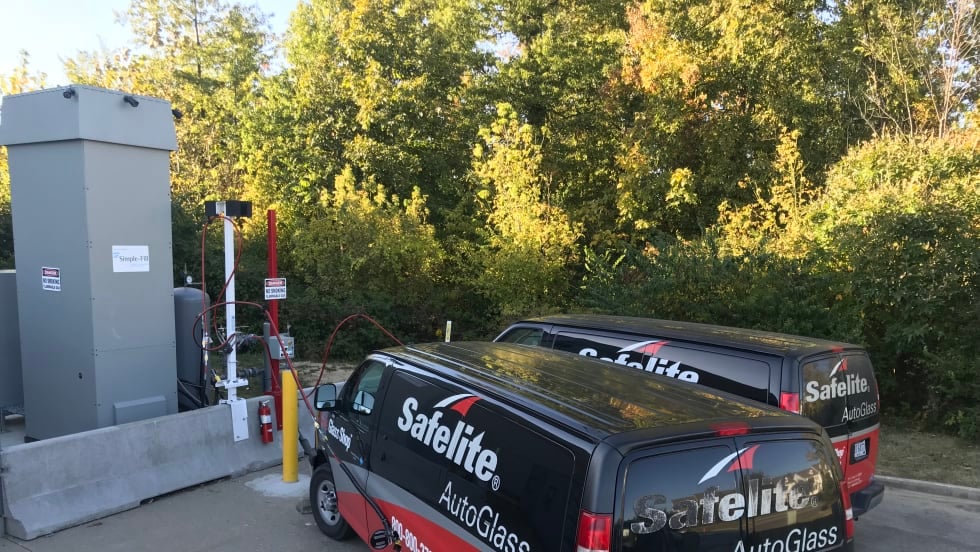
Whatever Happened to CNG?
While the light-duty market for compressed natural gas vehicles has almost evaporated, new near zero emissions technology and drastic reductions in infrastructure costs have reinvigorated the market for medium- and heavy-duty applications — even for smaller fleets.
Read More →