


The Q1 Car Rental Crystal Ball
How are high fuel prices and the Japan crisis affecting supply and demand for car rental?

While the pending FTC ruling of an Avis Budget/Dollar Thrifty deal and a new Hertz offer for DTAG loom over the industry, the first quarter conference calls of the public rental car companies provide a glimpse at what the future holds. Between the lines of "adjusted EBITDA" and the usual promises of synergies and process improvements, here a few selected observations and trends to watch.
The High Fuel Factor
The car rental industry put together a strong first quarter, notwithstanding the cancellations caused by three nasty storms in January and February. The travel outlook looks good for the remainder of 2011: The airlines are showing increases in capacity, which always benefits car rentals. Dollar Thrifty reports a longer length of rent, an indication of longer vacations in the recovery.
In terms of high fuel prices, Hertz says the trend has yet to impact volume and pricing, and it won't, as long as GDP (gross domestic product) remains unaffected. Avis reported a similar minimal impact, though high fuel costs should have some effect on the mix of summer leisure demand by vehicle type.
The Used Car Market Stays Strong
Avis reported gains in residual values in each of the first four months of 2011, while Hertz's residual values from January through March were a first-quarter record since becoming a publicly traded company. Lack of supply is driving high residual values, which has caused both Avis and Hertz to lower projections for per unit fleet costs. Dollar Thrifty is more cautious, but sees possible lower fleet costs for the full year as well.
This tight supply environment is based on lower domestic OEM production and fewer sales into rental as well as fewer off-lease vehicles relative to pre-recession levels (and trending downward still).
However, Avis says it has seen in the last few weeks "a certain amount of dealer pushback on pricing, resulting at least initially in lower conversion rates at auction." Avis expects the market to "normalize down to still-healthy levels over the next couple of quarters."
The Japan crisis is the wildcard. Hertz believes the supply chain disruptions for new cars from Japan will keep used-car values high through at least the third quarter. The picture will clear up once the effects of the Japanese supply disruptions are fully understood.
The Japan Crisis Is a Work in Progress
While the Japan crisis is helping used car values, it is hurting supply just as the summer season approaches. These RACs are quick to downplay supply issues. Dollar Thrifty says that only about 5 percent of its fleet is comprised of Japanese manufacturers, while Japanese OEMs represent 6 percent of Avis' expected second quarter deliveries.
Hertz reports some cancellations from the Japanese OEMs, though U.S. manufacturers have made up some of the difference and Hertz has bought fleet direct from dealers as well.Dollar Thrifty reported some cancellations from its Japanese partners and "a few cancellations" from a domestic manufacturer. Avis reports "only a handful of cancellations and delays, all of which are eminently manageable given the age and composition of our fleet."
Hertz and Dollar Thrifty are keeping some cars that had been targeted for sale as a safety cushion against potential shortages. Avis says that more than 95 percent of its fleet has fewer than 30,000 miles, which would allow it to hold onto vehicles if needed.
While the situation right now appears manageable, that could change if the supply of parts and components from Japanese manufacturers becomes a bigger problem for the domestic OEMs.[PAGEBREAK]
Initiatives to Watch
"Co-branding" and "tri-branding" are new Avis Budget buzzwords. By the end of the year the company expects to have about 300 stores with more than one brand under one roof. A third of those 300 will be "rental centers," which will have all three: Avis, Budget and Budget Truck.
As one of basically two recognized global brands, Avis is working to grow its high-margin international inbound traffic. The company launched its own sales force in Europe, as opposed to sharing with Avis Europe, and is seeing growth from partnership agreements in Latin America and the Pacific region.
Hertz says its U.S. off-airport business continues to be a bigger part of our revenue. The company opened 35 net new off-airport locations in the first quarter, bringing the total to 1,963. Hertz says its replacement segment grew more than 15 percent.
While Advantage would be spun off if the Dollar Thrifty deal goes through, Hertz opened five new U.S. and two new European Advantage locations in the first quarter. Revenues (same store and total) for the discount brand are up.
Hertz is pumping Rent-2-Buy, its direct-to-consumer remarketing channel. Hertz says it's getting $500 to $600 net profit difference per vehicle.
Dollar Thrifty reports double-digit growth in inbound tour business.
Car Sharing Technology Is a Game Changer
Hertz says its car-sharing business "is going to explode." Hertz head Mark Frissora says the car-sharing unit will be announcing hundreds more locations to pick up a car in New York. Boston is next. Though still a minute percentage of revenues, car-sharing at Hertz will grow from $6 million to $16 million this year.
Frissora wants the general Hertz fleet to get car-sharing technology, which would enable any car to turn into a Connect rental "with the flip of a switch."
While Avis is not getting into car sharing per se, it is implementing the technology to decentralize and automate the rental process. Avis has been testing "virtual rental technology," which allows the company to manage the rental and the release and return of the vehicle from an unstaffed location such as a corporate campus.
The company has close to 3,000 "virtual cars" in testing in various parts of North America and expects to nearly double that over the next six months. This even includes airport locations. The technology precisely measures the fuel used, which represents a revenue source, especially at airports. Avis is looking to put cars on corporate campuses to replace car service trips to and from the airport.
Part of Avis' automation includes the deployment of more rental kiosks as a way to grow local market business without having to invest in infrastructure.
Dollar Thrifty is staying on the car-sharing sidelines for now.
In other tech developments the goal is to communicate with the customer in real time, especially via handheld devices (smartphones). Hertz is increasing functionality with smartphones for mobile check-ins and to alert the customer to a reserved car in a specific parking space. From there, a text will give the customer the option to upgrade or pick another car.
In addition, Hertz's NerverLost GPS navigation unit now offers flight info and weather from a touch screen.
More Blog Posts
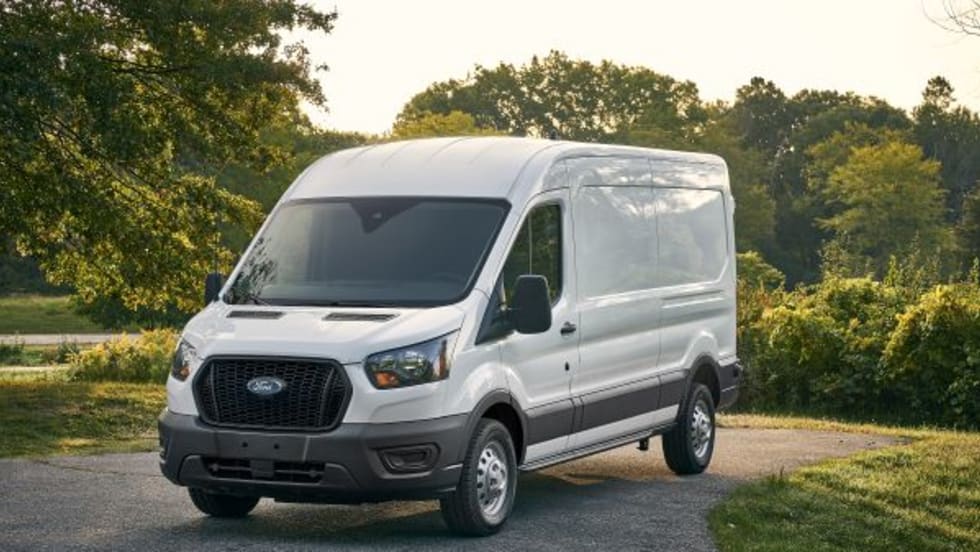
2021 Ford Transit Offers Versatility for Fleets
For the 2021-MY, Ford made ergonomic enhancements for drivers and added an available Parcel Delivery Package. This follows a major refresh in 2020, which added a Crew version, a new standard engine, standard active safety technologies, and embedded telematics to the Transit van family.
Read More →
Recognizing the Other Essential Drivers
Vocational and business fleet drivers don’t get the attention that truckers do. Yet they too are on the front lines, and their jobs often bring them into uncontrolled environments every day.
Read More →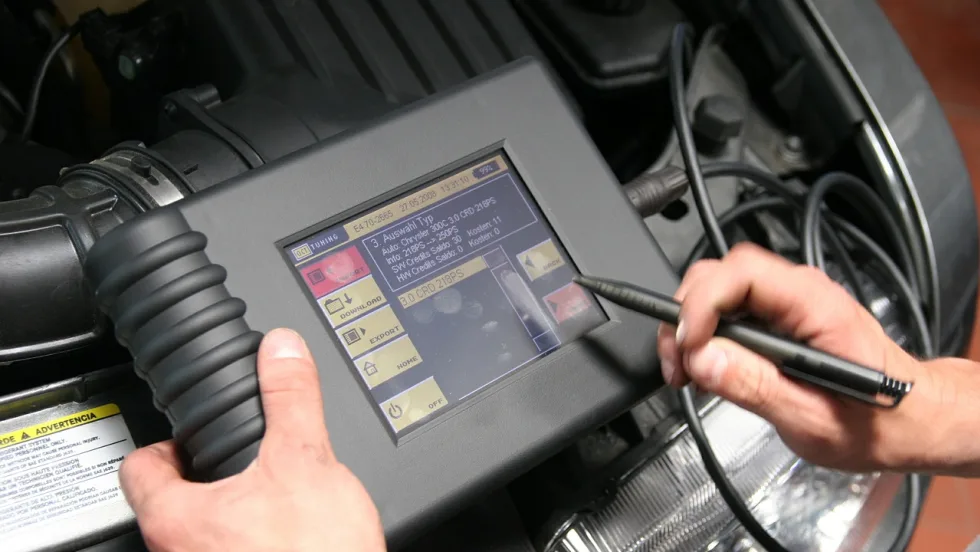
It’s Time to Formulate an ADAS Game Plan
As proliferation of Advanced Driver Assistance Systems (ADAS) increases, skilled labor, equipment, and training costs will increase as well. Fleet operators can’t mitigate these financial burdens by cutting corners on ADAS recalibration and repairs.
Read More →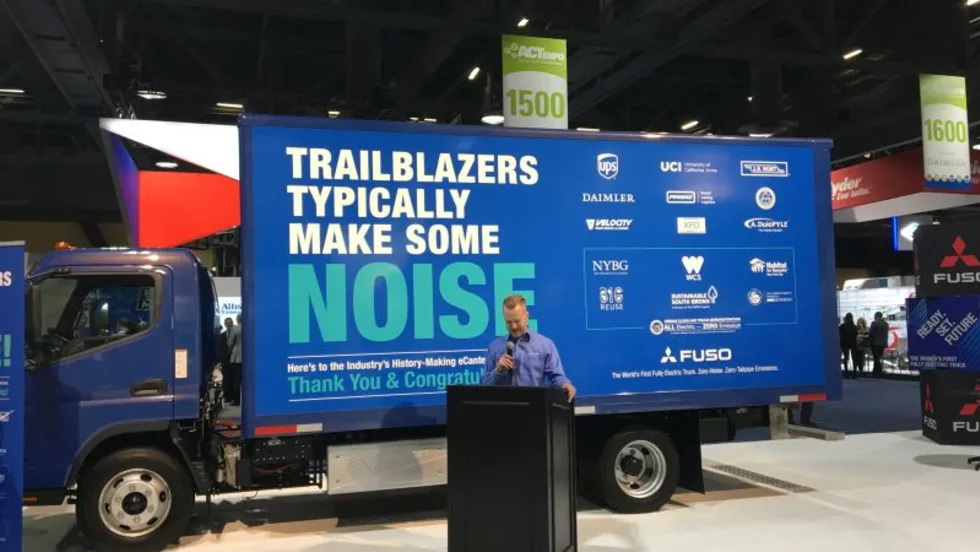
The Future is Electric, But…
With an increasing emphasis on emissions reductions mandates, will fleet operators get caught between clean technologies on their way out and an electric future that hasn’t yet arrived?
Read More →
6 Trend Lines from the 2019 Work Truck Show
From giant leaps in torque and towing to heavy duty truck personalization and chassis cab styling, these trends emerged from this year’s Work Truck Show in Indianapolis.
Read More →
They’re Coming for Your Diesel
In Southern California and other parts of the world, regulators are coalescing to ban, or severely curtail, diesel vehicles. There’s a growing disconnect with the mandates to green the environment and the availability of products and technologies to get us there.
Read More →
Hey Cannabis Companies, Welcome to Fleet
An industry is forming, and it needs help with fleet. In the meantime, the fleet industry should know that these new businesses are navigating extraordinary circumstances, which is forcing them to be better fleet operators pretty darn quick.
Read More →
Takeaways from the Fleet Forward Conference
Most attendees — from established fleets and vendors to new players that were only formed five years ago — didn’t know anyone. But that’s exactly the point.
Read More →
Is it Time to Rethink How Drivers Are Paid?
With the ELD rule affecting miles driven, and drivers’ duties increasingly including more than just driving the vehicle, what can be done to more accurately and fairly reflect a driver’s workday?
Read More →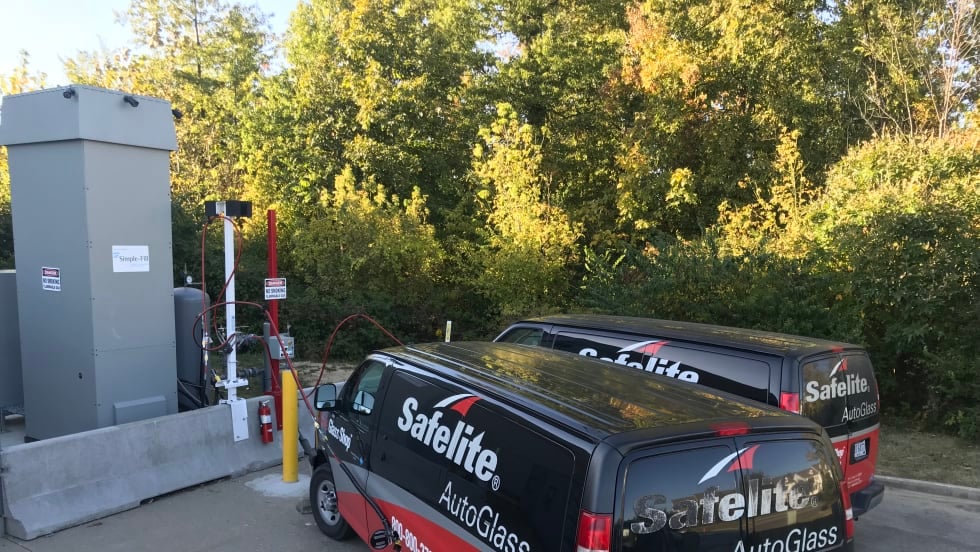
Whatever Happened to CNG?
While the light-duty market for compressed natural gas vehicles has almost evaporated, new near zero emissions technology and drastic reductions in infrastructure costs have reinvigorated the market for medium- and heavy-duty applications — even for smaller fleets.
Read More →