


The Recall Bill Has Passed – Now Comes the Hard Part
Now that the legislation will become law, car rental operators will face many operational and compliance challenges. It’s time to work together to find solutions.

In the last two years, more than 100 million vehicles were affected by safety recalls. To put this in perspective, there are 260 million vehicles registered in the United States. While a smaller percentage of those recalls affect rental fleets, the sheer frequency of recalls issued and the volume of models affected demonstrates the fleet management and customer service issues all rental companies are facing.
In this environment, the Raechel and Jacqueline Houck Safe Rental Car Act of 2015 passed in December as part of the larger transportation bill, which mandates by law the grounding of all recalled rental vehicles. The bill will officially become law on June 1.
The obligations set forth in the law, while seemingly straightforward, raise immediate questions and pose both compliance and operational challenges ahead.
The most pressing compliance issue may pertain to the law’s requirement that recalled vehicles be grounded 24 hours (or 48 hours for fleets greater than 5,000 units) after the operator receives the safety recall notice. What constitutes legal receipt? According to the law, the clock starts ticking after receipt of the written safety recall notice from the National Highway Traffic Safety Administration (NHTSA).
But in the real world, recall information is made public weeks — or even months — before the written safety recall notice arrives on a car rental operator’s desk. The lag time between the release to the media and the mailed notice poses some challenges, from a potentially unsafe vehicle being made available to rent without the car rental company’s knowledge to the customer service issue of a renter knowing the vehicle is recalled before the operator does.
The law has two stipulations pertaining to fleet size; the pertinent one from a compliance standpoint concerns the 35-unit threshold that dictates whether rental companies must comply with the law. How is fleet size measured — by average number of units per year? This may play a role in the event of an incident or a compliance check.
The retrieval of recalled rental vehicles presents its own set of challenges, specifically if a recalled vehicle is being driven by a renter when the notice is issued. This matters especially for smaller companies without a national network to rely on. For the renter who drove a few hundred miles away, to what extraordinary measures must the rental company undertake to get that vehicle grounded and make alternate arrangements for the renter?
Another compliance challenge is the ongoing task of processing recall notices and checking them against rental fleet inventories. Because most manufacturers mail one notice per VIN affected, a company with 50 recalled units would find 50 letters in the mail. Operators report that 50% to 80% of the notices they receive are erroneous — they pertain to vehicles they’ve already sold.
But the biggest challenge for a car rental operator by far is dealing with recalled vehicles that do not yet have a remedy or parts available for that remedy.
No one said this would be easy.
Answering these questions will take a coordinated effort on the part of car rental companies, the American Car Rental Association (ACRA), NHTSA, auto manufacturers and their franchised dealers.
Many issues won’t be resolved until the NHTSA defines and disseminates further guidelines. Other answers will come only as processes are refined in the real world.
If you’re not already, familiarize yourself with NHTSA’s publicly available recall database at www.safercar.gov. NHTSA has promised to improve and automate its recall VIN identification process. Let’s actively engage with NHTSA to help update this system.
It’s time to hone your recall process and communicate it to your staff. Be able to also communicate your policy to your renters.
It’s time to foster relationships with the dealerships you will be relying on to repair the recalled vehicles. It’s time to engage a manufacturer’s representatives to stay fully informed on potential recalls.
ACRA supported and lobbied for this legislation; I did, too. Some did not, for reasons I understand. But now that the legislation will become law, it’s time to set aside these differences and work together to find solutions.
More Blog Posts
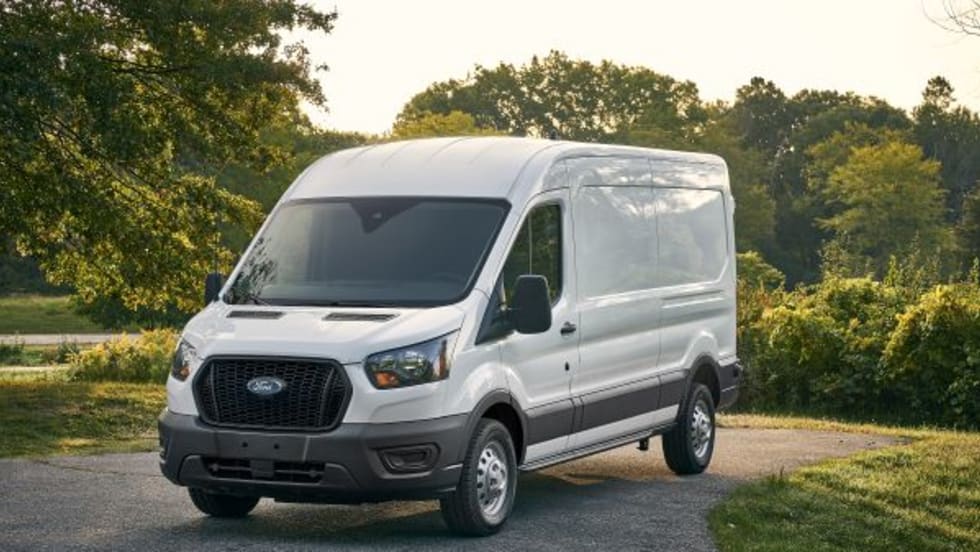
2021 Ford Transit Offers Versatility for Fleets
For the 2021-MY, Ford made ergonomic enhancements for drivers and added an available Parcel Delivery Package. This follows a major refresh in 2020, which added a Crew version, a new standard engine, standard active safety technologies, and embedded telematics to the Transit van family.
Read More →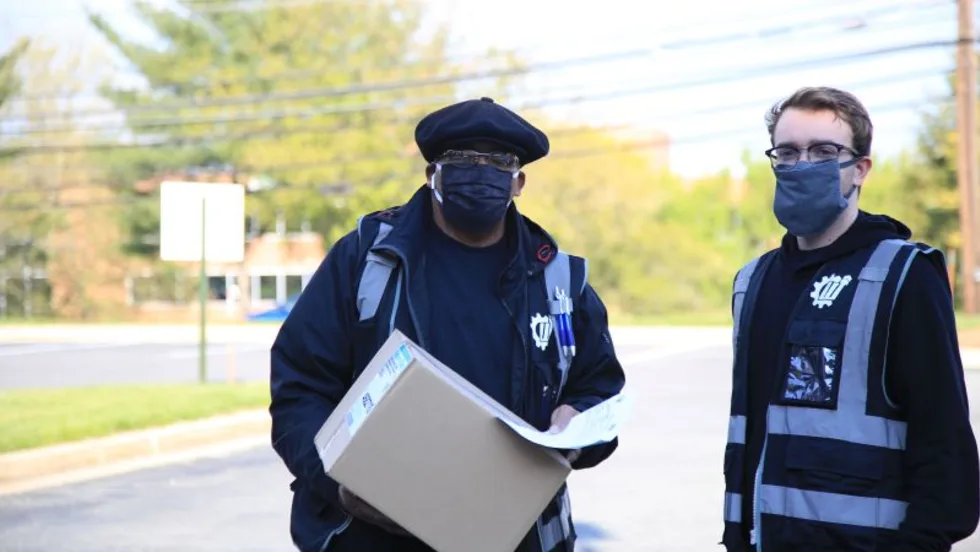
Recognizing the Other Essential Drivers
Vocational and business fleet drivers don’t get the attention that truckers do. Yet they too are on the front lines, and their jobs often bring them into uncontrolled environments every day.
Read More →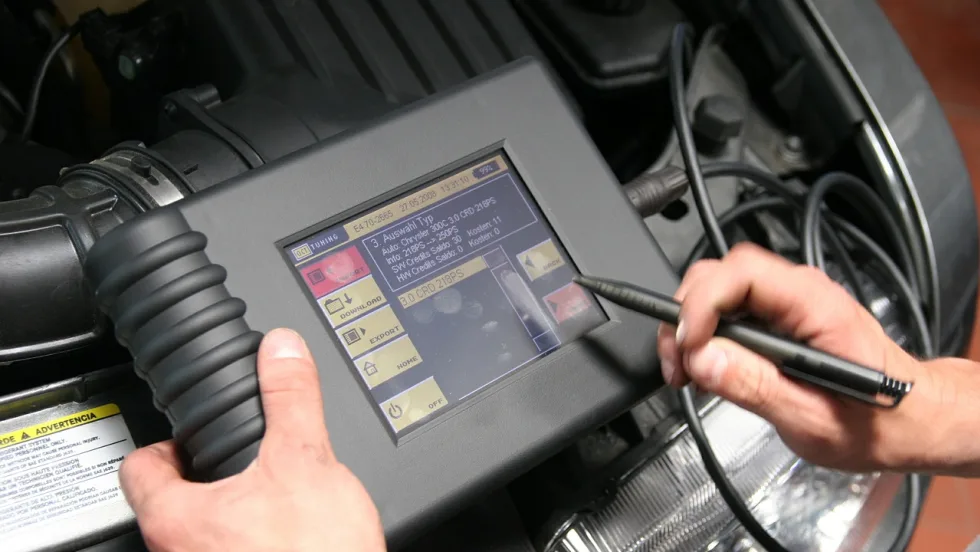
It’s Time to Formulate an ADAS Game Plan
As proliferation of Advanced Driver Assistance Systems (ADAS) increases, skilled labor, equipment, and training costs will increase as well. Fleet operators can’t mitigate these financial burdens by cutting corners on ADAS recalibration and repairs.
Read More →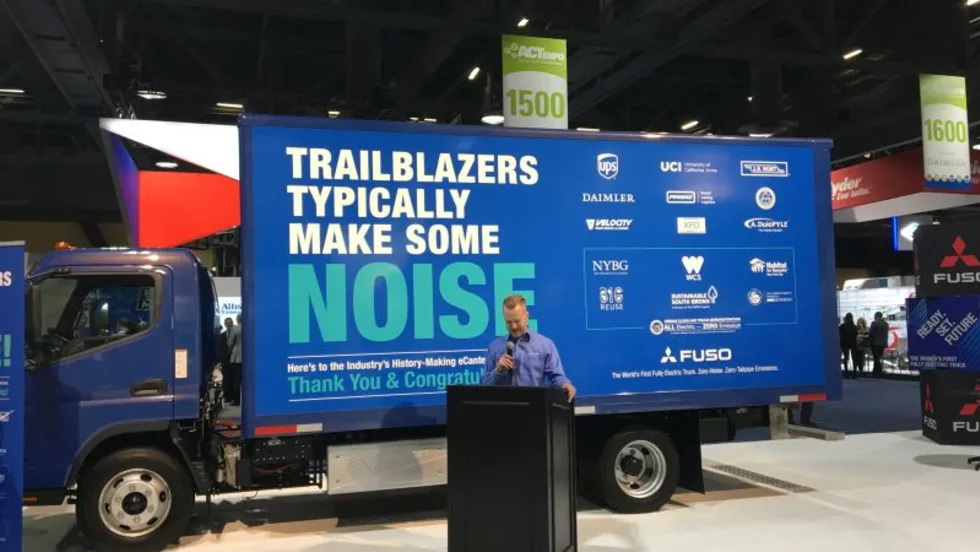
The Future is Electric, But…
With an increasing emphasis on emissions reductions mandates, will fleet operators get caught between clean technologies on their way out and an electric future that hasn’t yet arrived?
Read More →
6 Trend Lines from the 2019 Work Truck Show
From giant leaps in torque and towing to heavy duty truck personalization and chassis cab styling, these trends emerged from this year’s Work Truck Show in Indianapolis.
Read More →
They’re Coming for Your Diesel
In Southern California and other parts of the world, regulators are coalescing to ban, or severely curtail, diesel vehicles. There’s a growing disconnect with the mandates to green the environment and the availability of products and technologies to get us there.
Read More →
Hey Cannabis Companies, Welcome to Fleet
An industry is forming, and it needs help with fleet. In the meantime, the fleet industry should know that these new businesses are navigating extraordinary circumstances, which is forcing them to be better fleet operators pretty darn quick.
Read More →
Takeaways from the Fleet Forward Conference
Most attendees — from established fleets and vendors to new players that were only formed five years ago — didn’t know anyone. But that’s exactly the point.
Read More →
Is it Time to Rethink How Drivers Are Paid?
With the ELD rule affecting miles driven, and drivers’ duties increasingly including more than just driving the vehicle, what can be done to more accurately and fairly reflect a driver’s workday?
Read More →
Whatever Happened to CNG?
While the light-duty market for compressed natural gas vehicles has almost evaporated, new near zero emissions technology and drastic reductions in infrastructure costs have reinvigorated the market for medium- and heavy-duty applications — even for smaller fleets.
Read More →