


The Truth, to Power (Part Two)
J.D. (Dave) Power opens up on customer engagement, right and wrong sales tactics, the power of information and the evolution of how we buy cars.

J.D. (Dave) Power was never a “yes man.” If he was, consumers never would have had the benefit of his company’s 34 years of publicly available market research. And auto manufacturers, whether they liked it or not, would never have gotten the unvarnished, third-party view of their products, processes and customers that ultimately created a better product and a better customer experience.
Power is no longer affiliated with J.D. Power & Associates, the company he founded in 1968, having sold it to McGraw Hill in 2005. But he’s still speaking truth to power.
Upon the publishing of a new book on him (“Power,” by Sarah Morgans and Bill Thorness), Power shared some insights on his long road in the automotive industry. Here are my takeaways, which may give readers perspective on their own efforts to build their companies. This is part two of a two-part blog. To read the first part, click here.
Having conducted years of customer satisfaction studies, Power has a few insights into the tenets of good customer service that cut across industries. The basic ones often get overlooked in the everyday hustle of running a company.
- It starts by listening, followed by genuine engagement.
“It’s just common sense, but when you’re running your company and you have all these problems going on, you often overlook listening to your customers,” Power says.
Just being nice is not enough. It’s about genuine engagement, and here Power cites the success of Enterprise Rent-A-Car. “It’s one thing to be cordial to the customer when they walk through the door, but it means even more if there’s an enthusiasm factor as well,” he says.
Referencing the sale of car rental ancillary products such as collision damage waivers (CDW), “There’s a bit of honesty that makes a difference,” he says. However, “If the incentive is high to make it (the sale) happen, it’s at a disadvantage to the customer, and the customer begins to read it.”
When done the wrong way, Power likens those sales tactics to those used in the F&I departments in car dealerships. And of F&I departments, Power has been traditionally wary — and still is. “The F&I department is under scrutiny,” he says. “People don’t want to go through the F&I department. They try to avoid it.”
- Trying to serve everyone does a disservice to the customers you should be serving.
“If you’re trying to give everyone the same level of response, you have to be practical in terms of whether they’re delivering to your profit,” Power says. “You’re not in the business to serve everyone.”
Power has seen companies that chase business to meet cash flow requirements. “So you end up getting anyone that will pay, and they may not be the right ones for your business,” he says. “It isn’t that you treat them poorly, you don’t go after those types of customers that will nickel and dime you.”
- Customer service begins with training.
Horst Schulze, former president of Ritz-Carlton, defined the luxury hotel experience in part by the way the hotel trains its people. New employees at Ritz-Carlton engage in customer training without touching the customer for the first two weeks.
“A lot of hotels put employees in with customers on day one, and that’s when they learn all the bad habits,” Power says. “The senior people making the beds will show the shortcuts (to the new ones).”
- Franchise laws are eroding, and it will change the way we buy cars.
Power said back in 1989 — and then famously in 2003 in an open letter to The Wall Street Journal — that auto dealer franchise laws needed to change, because they propagated an inefficient system. On this point, Power is at his most controversial. And he hasn’t softened his stance.
Power points out the mileposts on this route to change: He cites the bankruptcies of GM and Chrysler, which caused the termination of thousands of dealerships. “That was a devastating blow to the franchise system,” he says, adding that the number of auto dealerships has constricted from some 45,000 in the 1950s to 17,000 today.
Much of this constriction is a consolidation, though, to the megadealer model. The first megadealer to go public raised eyebrows, and at the same time the manufacturers thought that a failure of a megadealer could seriously hurt sales of a single manufacturer or manufacturers. As an example, Power says as little as eight years ago, Toyota resisted AutoNation’s attempt to buy Toyota franchises.
“That’s proving to be a false argument as we go along,” Power says, as AutoNation consolidated nameplates and has grown volume by 8% to 10% a year. AutoNation has recently embarked on an initiative to brand its stores as AutoNation, downplaying the OEM marque.
Power believes electric car maker Tesla, which is trying to circumvent franchise laws and sell directly to the consumer, has a fighting chance. “Tesla is getting slammed by people backing the franchise system, and it’s working against the franchise system as things wear on,” he says.
Unlike traditional servicing of internal combustion engines, Tesla can fix software problems remotely without going to a dealership. “Tesla is just the beginning,” Power says. “We’ll see more of it.”
From my perspective, the phrase, “a transformation is taking place on the way we buy cars” has been oft-used in the last 50 years, yet we still have the same basic system to buy and sell cars. In Power’s defense, he said in 2003 that these changes wouldn’t happen until 2015. “I said it wasn’t going to happen overnight,” he says. “But it will happen.”
To his last point, you could argue how much it’s actually changing the system, but you can’t argue with the premise.
- The customer has gained control of the information.
In the car business, the customer has gained control with all the information that’s out there at their fingertips.
“The customer is driving the (car buying) business today,” Power says. “The younger customer is more demanding than they’ve ever been. They walk into the new car showroom and they know more than the salesperson.”
Auto manufacturers, dealers and suppliers all have to adjust on a continuing basis, because the world is being turned upside down. And it’s the consumer that is calling the shots. For those that don’t understand that and stick with the old way of doing business, it’s at their peril.
More Blog Posts
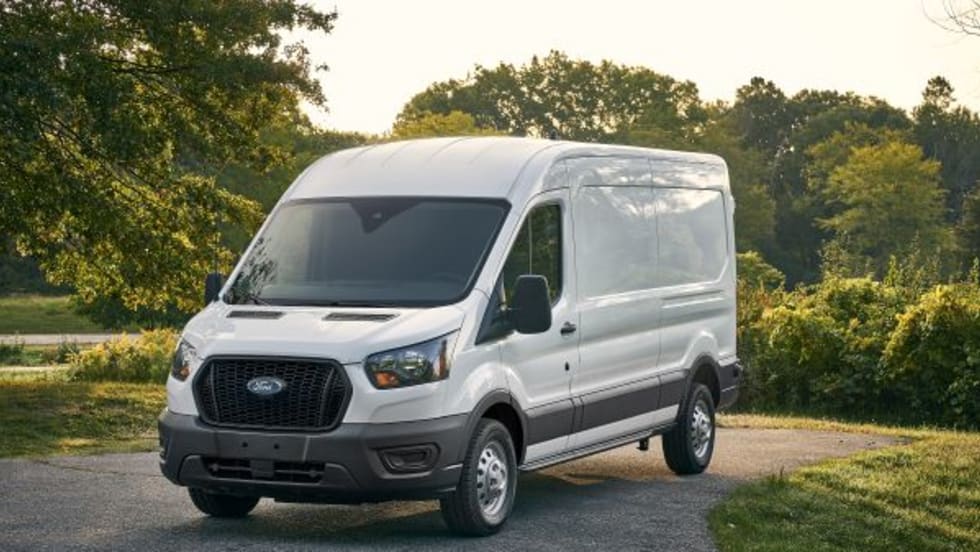
2021 Ford Transit Offers Versatility for Fleets
For the 2021-MY, Ford made ergonomic enhancements for drivers and added an available Parcel Delivery Package. This follows a major refresh in 2020, which added a Crew version, a new standard engine, standard active safety technologies, and embedded telematics to the Transit van family.
Read More →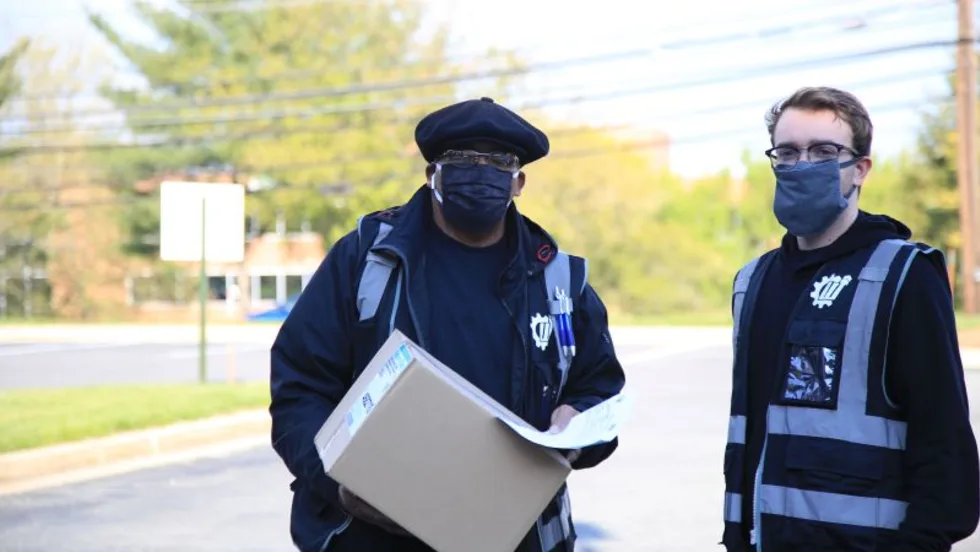
Recognizing the Other Essential Drivers
Vocational and business fleet drivers don’t get the attention that truckers do. Yet they too are on the front lines, and their jobs often bring them into uncontrolled environments every day.
Read More →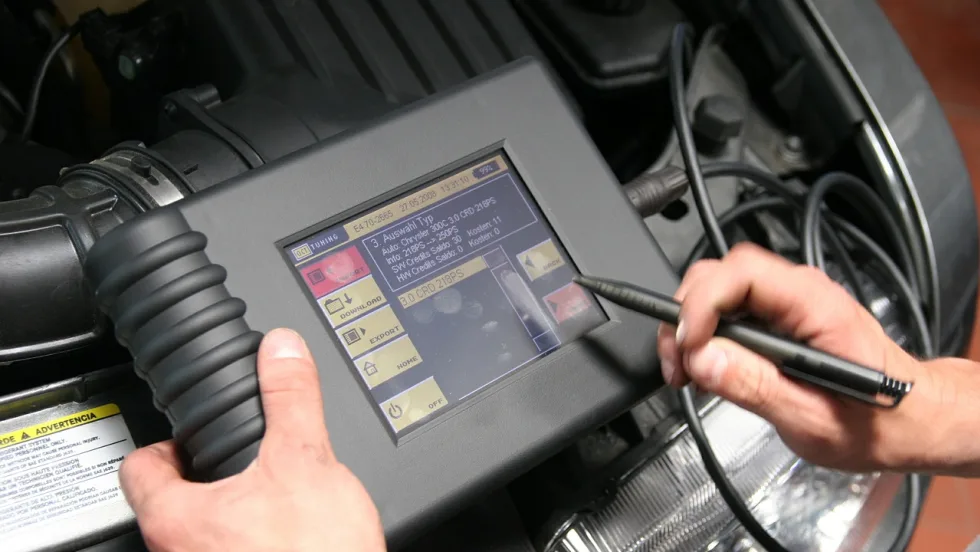
It’s Time to Formulate an ADAS Game Plan
As proliferation of Advanced Driver Assistance Systems (ADAS) increases, skilled labor, equipment, and training costs will increase as well. Fleet operators can’t mitigate these financial burdens by cutting corners on ADAS recalibration and repairs.
Read More →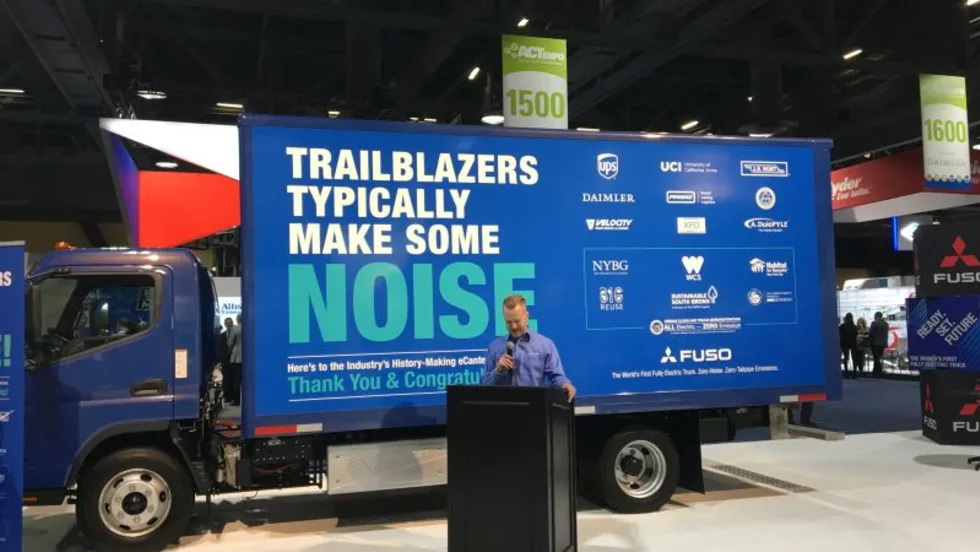
The Future is Electric, But…
With an increasing emphasis on emissions reductions mandates, will fleet operators get caught between clean technologies on their way out and an electric future that hasn’t yet arrived?
Read More →
6 Trend Lines from the 2019 Work Truck Show
From giant leaps in torque and towing to heavy duty truck personalization and chassis cab styling, these trends emerged from this year’s Work Truck Show in Indianapolis.
Read More →
They’re Coming for Your Diesel
In Southern California and other parts of the world, regulators are coalescing to ban, or severely curtail, diesel vehicles. There’s a growing disconnect with the mandates to green the environment and the availability of products and technologies to get us there.
Read More →
Hey Cannabis Companies, Welcome to Fleet
An industry is forming, and it needs help with fleet. In the meantime, the fleet industry should know that these new businesses are navigating extraordinary circumstances, which is forcing them to be better fleet operators pretty darn quick.
Read More →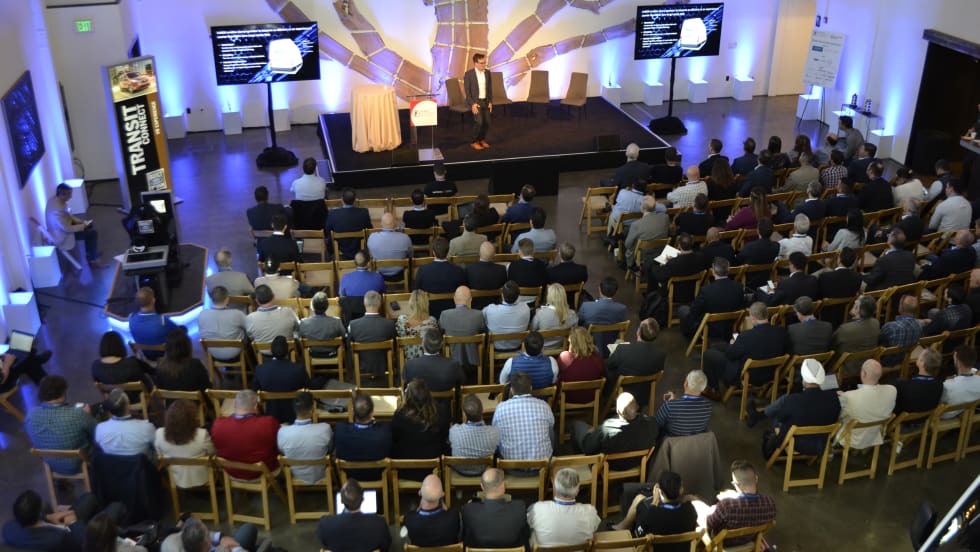
Takeaways from the Fleet Forward Conference
Most attendees — from established fleets and vendors to new players that were only formed five years ago — didn’t know anyone. But that’s exactly the point.
Read More →
Is it Time to Rethink How Drivers Are Paid?
With the ELD rule affecting miles driven, and drivers’ duties increasingly including more than just driving the vehicle, what can be done to more accurately and fairly reflect a driver’s workday?
Read More →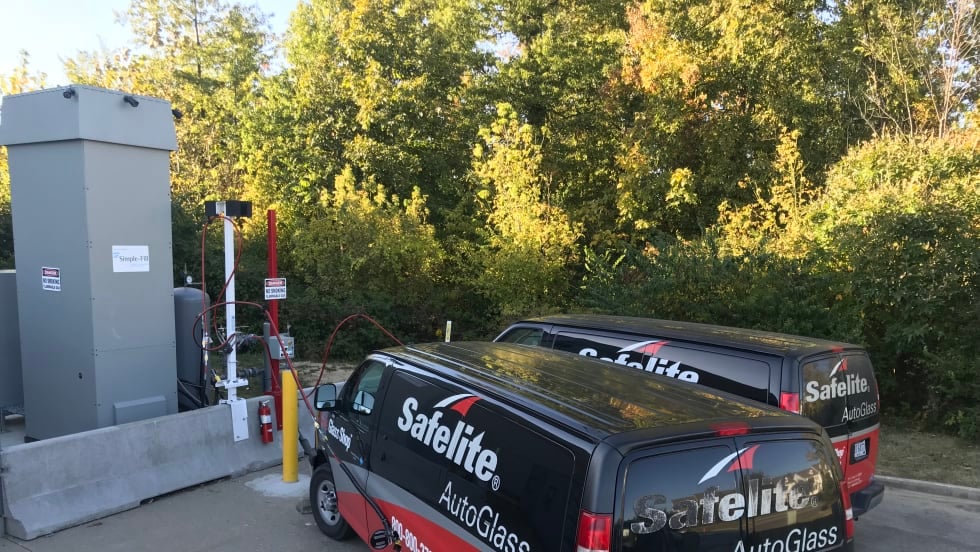
Whatever Happened to CNG?
While the light-duty market for compressed natural gas vehicles has almost evaporated, new near zero emissions technology and drastic reductions in infrastructure costs have reinvigorated the market for medium- and heavy-duty applications — even for smaller fleets.
Read More →