


The Wrong Side of History
You’re either for the practice of allowing the selling of used vehicles with open recalls or against it.

On Sept. 7, 2014, Jewel Brangman was driving a 2001 Honda Civic in Los Angeles when she suffered a minor accident that deployed the airbag, sending a shard of shrapnel into her neck that ultimately killed her.
On Jan. 18, 2015, Carlos Solis was driving a 2002 Honda Accord in Houston when he suffered a minor accident that deployed the airbag, sending a shard of shrapnel into his neck that caused him to bleed to death.
Both were victims of faulty Takata airbags that had been under a recall issued in 2011.
Brangman rented her vehicle from Sunset Car Rental, an independent car rental company in San Diego. Solis bought his vehicle from All Stars Auto Sales, an independent dealership north of Houston. At the time Brangman rented that vehicle and Solis purchased his, the defective parts had not been repaired on either vehicle.
On Dec. 4, 2015, the Raechel and Jacqueline Houck Safe Rental Car Act was signed into law as part of the massive transportation bill. This legislation makes it a violation of federal law for car rental companies with fleets of more than 35 units to rent, loan or sell cars under open recall. Meanwhile, there is no similar federal prohibition against auto dealers from selling used vehicles with open safety recalls.
Associations representing auto dealers — National Automobile Dealers Association (NADA) and National Independent Automobile Dealers Association (NIADA) — were against the recall bill, as its language pertained to dealerships’ loaner fleets. The dealer associations pushed for, and got, an exemption from the law for car rental companies and auto dealerships with rental (or loaner) fleets of fewer than 35 vehicles.
The associations’ opposition was also driven by the fear that a rental car recall law would be a slippery slope to legislation that would forbid used car dealers from selling vehicles with open recalls. They are right, this is a slippery slope. This legislation will come. It may not be soon, and it may take years to become law, but it will come. And ultimately, those opposed to this legislation will be on the wrong side of history.
The argument from the dealer associations is that preventing the sale of used vehicles with unrepaired recalls would be an undue burden on its dealers, a burden exacerbated by those recalls that seemingly do not relate to the safe operation of the vehicle (the “mislabeled sticker defense”).
Let’s make no mistake: it is a burden, for car rental companies and dealers alike, including AutoNation, the country’s largest dealer group. Yet knowing full well this burden, AutoNation has taken the lead and voluntarily agreed to stop selling used vehicles under open recall.
The number of recalls and units affected has spiked and does not look to decline in the near future. Some replacement parts don’t become available for months. Cars that sit on dealers’— and car rental companies’ — lots are stealing income.
But that’s fleet management, something the public will never understand. However, the public, along with safety groups and “gotcha” journalists, do understand “increasing the risk of a crash.”
In this same argument, the theory is floated that recalls should be delineated by severity, allowing the most important recalls to be dealt with more urgently.
There is no political will to ground recalls by severity. The idea has been floated for years, but it has not gained traction. No lawyer or legislator, nor NHTSA, is willing to be responsible for playing God by judging severity, specifically when a crash due to a recall identified as “non-serious” goes unrepaired and takes a life.
And those recalls of the mislabeled sticker type — in reality — are minuscule in number and units affected compared to those characterized by a rational person as “in need of urgent repair.” (Check out our research for the data.)
With a change unlikely in how recalls are defined, it’s all or nothing. You’re either for the practice of allowing the selling of used vehicles with open recalls or against it.
U.S. Rep. Roger Williams, an auto dealer, introduced an amendment to the recall bill that would have excluded auto dealers’ loaner and rental fleets. During the House floor debate on the bill, Williams said, “There is none of us in our business that would ever put any of our owners in an unsafe car.”
Of course, no dealer wants to endanger human life. But All Stars Auto Sales did just that. No car rental company wants to endanger human life either, but Sunset Car Rental did just that. In the real world, stuff happens that gets in the way of our theoretical ideal of safety. People roll the dice, knowingly or unknowingly. It’s human nature.
You could say that the rental recall law — and major rental companies’ ultimate support of it — wouldn’t have happened without another accident, the one that took the lives of Rachael and Jacqueline Houck in California in 2004 when they crashed a rented PT Cruiser under recall for a power steering leak. That may be true, but then, it’s tragedies like these that become the catalyst for change.
On Dec. 23, 2015, NHTSA announced another death linked to a faulty Takata airbag in a 2001 Honda Accord, a used car with a recall that went unrepaired. Let’s hope the legislation to ground the sale of used vehicles with unrepaired recalls is not named for anyone who died.
More Blog Posts
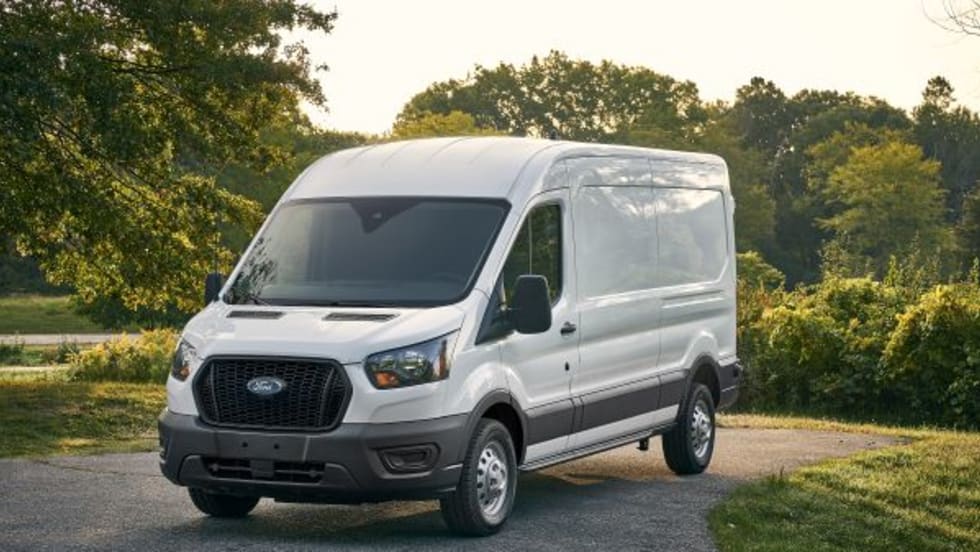
2021 Ford Transit Offers Versatility for Fleets
For the 2021-MY, Ford made ergonomic enhancements for drivers and added an available Parcel Delivery Package. This follows a major refresh in 2020, which added a Crew version, a new standard engine, standard active safety technologies, and embedded telematics to the Transit van family.
Read More →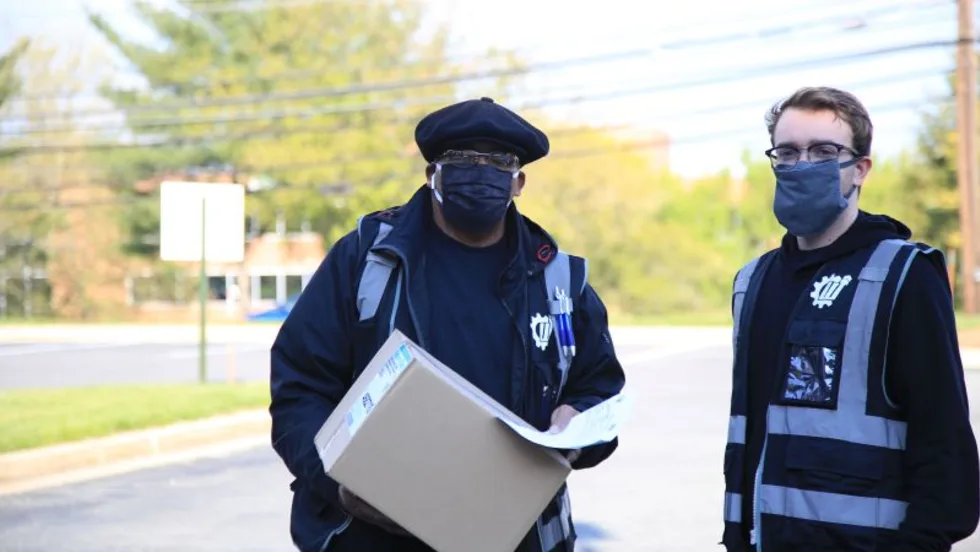
Recognizing the Other Essential Drivers
Vocational and business fleet drivers don’t get the attention that truckers do. Yet they too are on the front lines, and their jobs often bring them into uncontrolled environments every day.
Read More →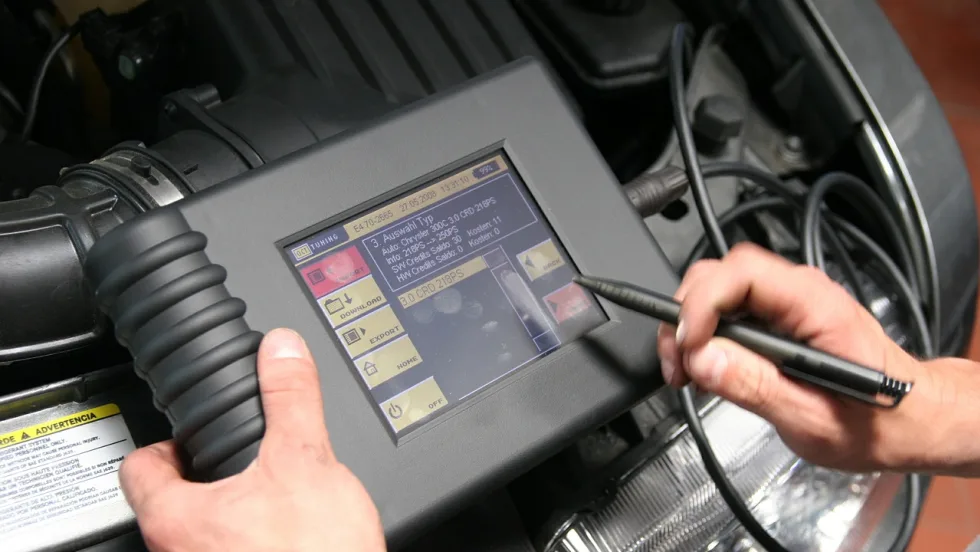
It’s Time to Formulate an ADAS Game Plan
As proliferation of Advanced Driver Assistance Systems (ADAS) increases, skilled labor, equipment, and training costs will increase as well. Fleet operators can’t mitigate these financial burdens by cutting corners on ADAS recalibration and repairs.
Read More →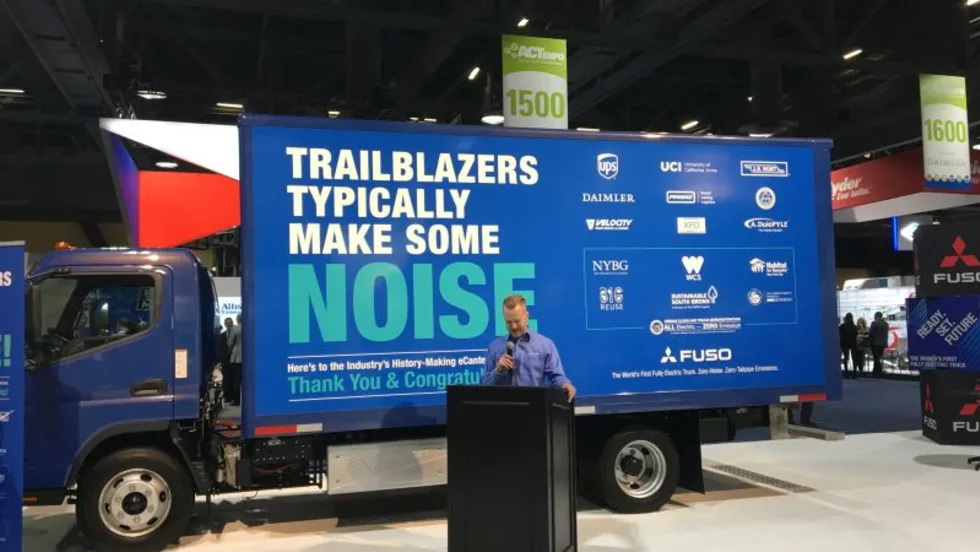
The Future is Electric, But…
With an increasing emphasis on emissions reductions mandates, will fleet operators get caught between clean technologies on their way out and an electric future that hasn’t yet arrived?
Read More →
6 Trend Lines from the 2019 Work Truck Show
From giant leaps in torque and towing to heavy duty truck personalization and chassis cab styling, these trends emerged from this year’s Work Truck Show in Indianapolis.
Read More →
They’re Coming for Your Diesel
In Southern California and other parts of the world, regulators are coalescing to ban, or severely curtail, diesel vehicles. There’s a growing disconnect with the mandates to green the environment and the availability of products and technologies to get us there.
Read More →
Hey Cannabis Companies, Welcome to Fleet
An industry is forming, and it needs help with fleet. In the meantime, the fleet industry should know that these new businesses are navigating extraordinary circumstances, which is forcing them to be better fleet operators pretty darn quick.
Read More →
Takeaways from the Fleet Forward Conference
Most attendees — from established fleets and vendors to new players that were only formed five years ago — didn’t know anyone. But that’s exactly the point.
Read More →
Is it Time to Rethink How Drivers Are Paid?
With the ELD rule affecting miles driven, and drivers’ duties increasingly including more than just driving the vehicle, what can be done to more accurately and fairly reflect a driver’s workday?
Read More →
Whatever Happened to CNG?
While the light-duty market for compressed natural gas vehicles has almost evaporated, new near zero emissions technology and drastic reductions in infrastructure costs have reinvigorated the market for medium- and heavy-duty applications — even for smaller fleets.
Read More →