


U.S. Car Rental: Sanity in the Face of Disruption
A newfound austerity in fleeting is producing a domino effect of benefits for 2018.

It’s a little ironic that the omen of disruption in the transportation industry would produce a calm near-term forecast for the U.S. car rental market. But that’s where we are now, and if we can come to terms with these facts, we’ll understand that the future will be just fine.
First, the disruption: We’ve heard enough about Uber and Lyft, but there’s a reason for that — the effects of ride-hailing on car rental can’t be ignored. The Certify SpendSmart Report, which analyzes expense data from ground transportation transactions, has shown steady single-digit quarter-on-quarter declines in car rental expensing since it started tracking this data in 2014.
While predominantly affecting corporate business and lesser profitable one-day rentals, the erosion may not have abated — user penetration from ride-hailing systems is expected to grow from 13.9% to 21.6% in 2022.
This uncertainty in demand is in large part the causation of a newfound austerity in fleeting, which has a domino effect of benefits.
Fleet sales into rental through October were down 13.6%, a somewhat alarming drop after six years of sales gains coming out of the Recession. Some automakers have willingly pulled back from rental, though they’ve been replaced by others willing to fill the sales gap. (At the same time, retail incentives are at record levels, as manufacturers adjust to lower production levels on declining new car sales forecasts.)
An obvious effect of tighter fleets is better pricing, which — hallelujah — has come to pass. Our 50-airport rate survey shows a five-month upward trend from June to October 2017, with an $8.37 average increase in October alone. Contracted corporate rates, however, remain underwater (see Uber effect.)
On the remarketing side, the off-lease tsunami that came ashore in 2016 and through the first quarter of 2017 is subsiding to smaller ripples. Wholesale prices were down for most of this year in the popular compact, midsize, and large car rental segments, but tempering off-lease supply and near-historic lows in rental fleet penetration will ease downward pressure on depreciation and stabilize holding costs.
With car rental companies’ collective willingness to under-fleet, along with a decent pricing environment and a normalized used car market, the waters look calmer than they have in years — despite continued threats from other transportation sources.
In another bit of irony, but not at all surprising, these new transportation disruptors have woken up to the fact that car rental companies are the best fleet managers out there.
Avis Budget Group has entered into a partnership with Waymo, the autonomous driving division of Alphabet, Google’s parent company, to provide fleet management services for Waymo’s self-driving vehicles. (One question, though too soon to answer: When the time comes, will Avis also manage the consumer-facing transactions for Waymo’s autonomous vehicles?)
Zipcar, Avis’ carsharing unit, rolled out a commuter program in October to serve the nascent trend away from car ownership.
In a “if you can’t beat ‘em, join ‘em” twist, Hertz is growing its business of renting to ride-hailing companies. Those units accumulate mileage quick and revenue per day is lower, but that’s more than covered by an eye-popping 25 days per transaction in de-fleeted rentals with lower operating expenses.
One initiative in the car rental community that is under the radar today, but has the potential to have a demonstrative impact on profitability and long-term viability, is the connected car.
This telematics connectivity is inherent in carsharing vehicles but is finding its way into traditional rental fleets from multinationals such as Avis — which intends to have half of its new U.S. fleet connected in 2018 — to smaller leisure brands such as Fox.
While connected vehicle technology has the important function of automating car rentals, its wider fleet benefits include more precise fleet tracking to maximize utilization and rich data sets on vehicle movements to better anticipate customer needs. An aftermarket install today, telematics technology as a factory option is around the corner, which only increases the ease and value proposition for rental.
The transportation providers of the future understand that collaboration is essential. In a fairly normalized, placid environment for 2018, car rental companies can ramp up new initiatives and explore these necessary partnerships.
More Blog Posts
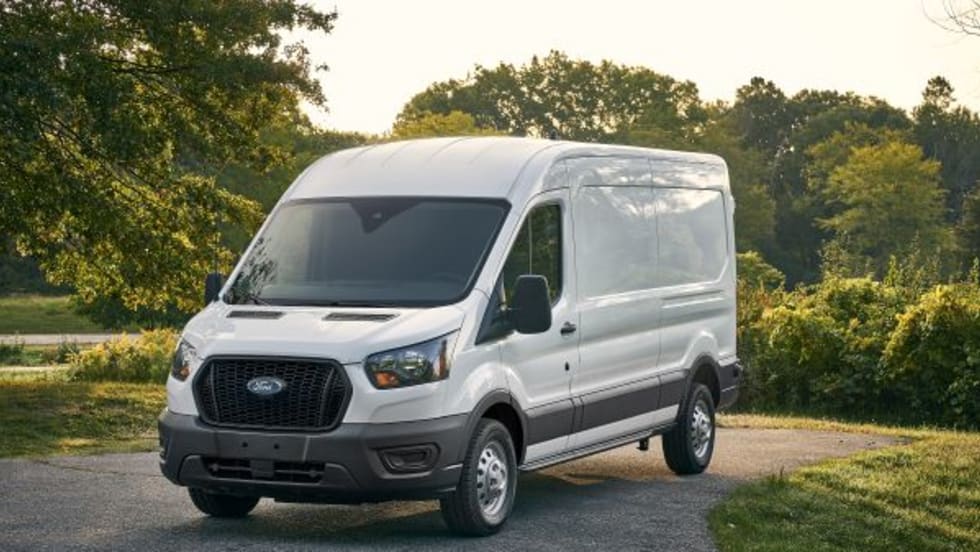
2021 Ford Transit Offers Versatility for Fleets
For the 2021-MY, Ford made ergonomic enhancements for drivers and added an available Parcel Delivery Package. This follows a major refresh in 2020, which added a Crew version, a new standard engine, standard active safety technologies, and embedded telematics to the Transit van family.
Read More →
Recognizing the Other Essential Drivers
Vocational and business fleet drivers don’t get the attention that truckers do. Yet they too are on the front lines, and their jobs often bring them into uncontrolled environments every day.
Read More →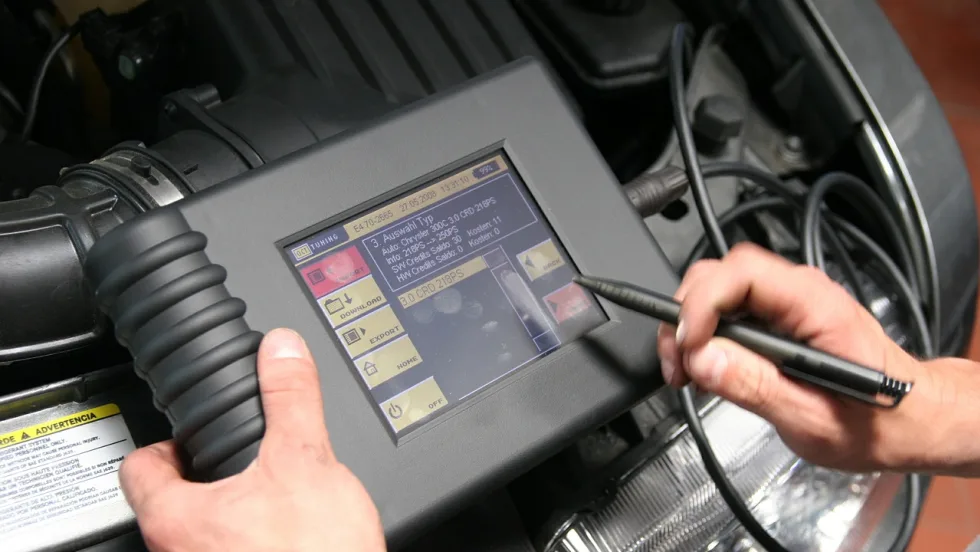
It’s Time to Formulate an ADAS Game Plan
As proliferation of Advanced Driver Assistance Systems (ADAS) increases, skilled labor, equipment, and training costs will increase as well. Fleet operators can’t mitigate these financial burdens by cutting corners on ADAS recalibration and repairs.
Read More →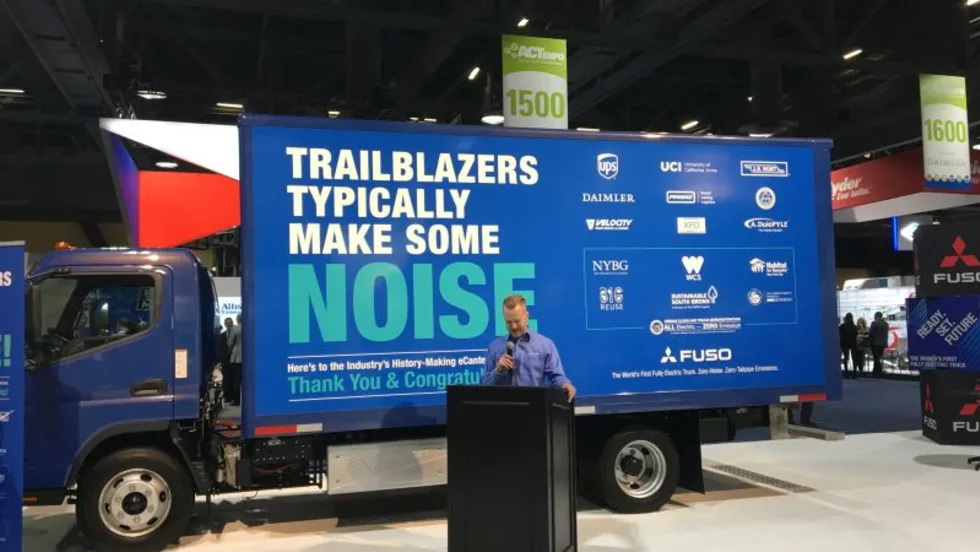
The Future is Electric, But…
With an increasing emphasis on emissions reductions mandates, will fleet operators get caught between clean technologies on their way out and an electric future that hasn’t yet arrived?
Read More →
6 Trend Lines from the 2019 Work Truck Show
From giant leaps in torque and towing to heavy duty truck personalization and chassis cab styling, these trends emerged from this year’s Work Truck Show in Indianapolis.
Read More →
They’re Coming for Your Diesel
In Southern California and other parts of the world, regulators are coalescing to ban, or severely curtail, diesel vehicles. There’s a growing disconnect with the mandates to green the environment and the availability of products and technologies to get us there.
Read More →
Hey Cannabis Companies, Welcome to Fleet
An industry is forming, and it needs help with fleet. In the meantime, the fleet industry should know that these new businesses are navigating extraordinary circumstances, which is forcing them to be better fleet operators pretty darn quick.
Read More →
Takeaways from the Fleet Forward Conference
Most attendees — from established fleets and vendors to new players that were only formed five years ago — didn’t know anyone. But that’s exactly the point.
Read More →
Is it Time to Rethink How Drivers Are Paid?
With the ELD rule affecting miles driven, and drivers’ duties increasingly including more than just driving the vehicle, what can be done to more accurately and fairly reflect a driver’s workday?
Read More →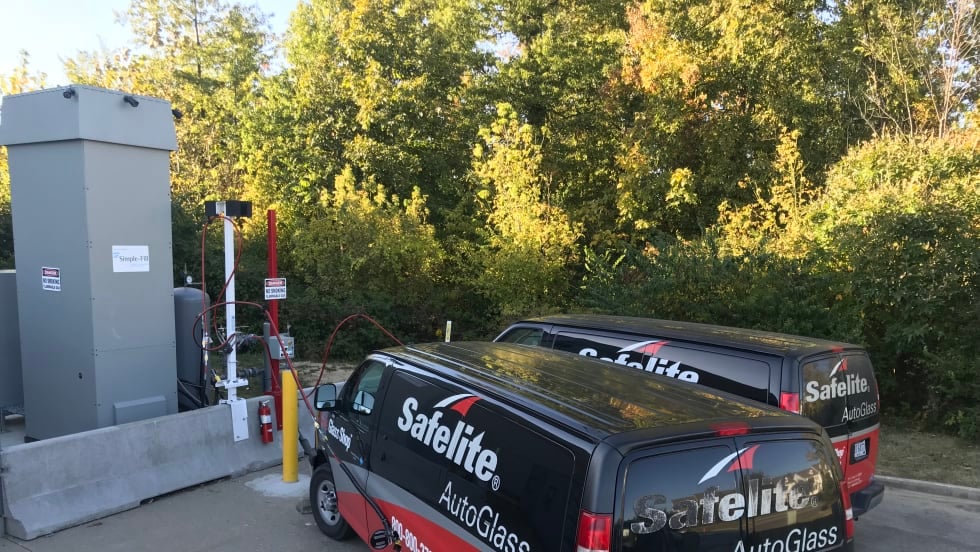
Whatever Happened to CNG?
While the light-duty market for compressed natural gas vehicles has almost evaporated, new near zero emissions technology and drastic reductions in infrastructure costs have reinvigorated the market for medium- and heavy-duty applications — even for smaller fleets.
Read More →