


What is Your Time Worth?
Personal observations of retail and travel transactions reveal just how much a consumer’s time is worth today, and how increasingly intolerant we are of inefficient transactions.

How much is your time worth? Can you put a dollar amount on a minute of your time?
One constant in J.D. Power & Associates’ satisfaction surveys, particularly those in travel and hospitality, is the direct correlation between satisfaction and timeliness. From car rental checkout to hotel check-in or TSA security time, the longer a customer waits, the lower the satisfaction score.
This correlation seems intuitive. But would you say your time has a higher dollar value today than it would have, say, 10 years ago? Inflation adjusted, I’d bet that the value per minute has increased exponentially. Today, a short and convenient transaction is everything.
Consider a few personal observations:
Fuel retailers have traditionally charged more to use a credit card to pay for gas over cash, owing mostly to fees the banks charge retailers to process the transaction. The difference between cash and credit hovered for years at about seven cents. Recently, I’ve noticed that gap widening.
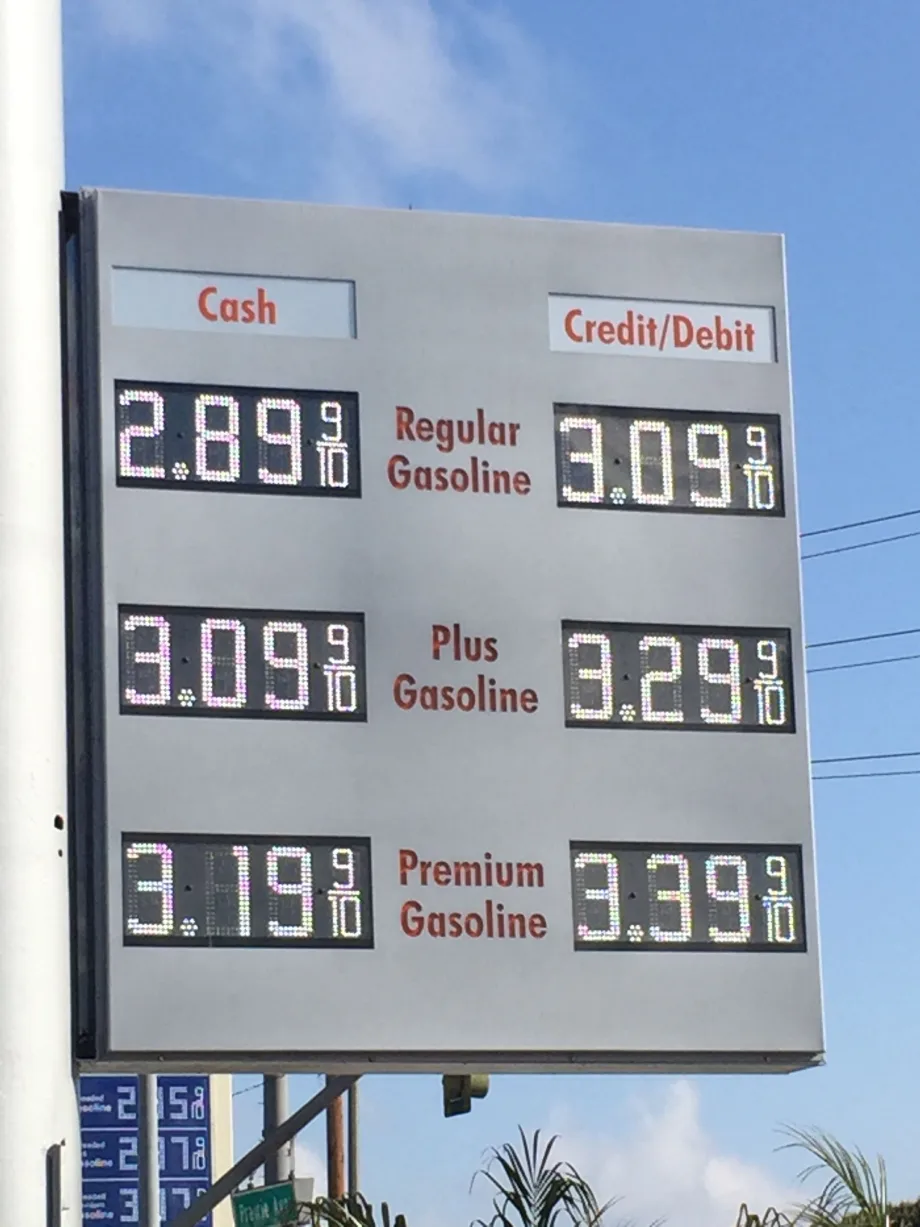
I snapped a photo of the gas prices sign a few weeks ago. At this station, customers pay a whopping 20 cents more for the convenience of using a credit card, or even a debit card. Now, credit card processing fees haven’t gone up that drastically. The fuel retailer simply understands that it can get away with charging 20 cents for the convenience of using a card. Customers might even have the cash on them, but they’d rather swipe at the pump than go inside and mingle with the guy buying pork rinds. Convenience is everything, and customers willingly pay for it.
If you look closely, you’ll see that the sign across the street shows a lower fuel price by 4 cents. I don’t go to that gas station, even though I might save a buck on a fill up, because that station would require two extra turns and cause the hassle of cutting across morning rush hour traffic. It might add five minutes to my commute. In so doing, I put a value on time.
I’m also adjusting my logistics to get to and from the airport. Through corporate trade outs, I can park for free at LAX. But that requires me to park at a lot a few miles away and wait for a shuttle — and if I had just missed a shuttle, I might suffer an extra 15-minute wait. As such, I’m more inclined to take Uber or Lyft to the airport, which drops me directly at the curb. The fare runs about $20, though I’ve saved about 25 minutes of my valuable time.
Taking Uber or Lyft to the airport is easier, quicker, and cheaper than taking a cab. But that’s not necessarily the case when returning from the airport. At LAX, and many other airports, transportation network company (TNC) cars must wait at a lot off airport. Meanwhile, riders must collect their bags and go upstairs to wait at a designated spot where they’ll summon a car that usually takes 10 to 15 minutes to arrive.
Instead, I’ve reverted to taking a good old-fashioned taxi. The taxi stand is steps from baggage claim, and these days, there’s never a wait. The taxi might cost 20% more than Uber, but I’ve saved 15 minutes. I’ve just put another value on my time.
This is a funny story (sort of). We needed a cover for the current issue of Auto Rental News; “social media” was the theme. We thought we’d shoot a millennial standing in a long line at a car rental counter, on her phone and tweeting about her bad experience. We wanted to put a thought bubble above her head to express what she’s tweeting. I thought #customerservicefail might be appropriate, so I searched it on Twitter — sure enough, the results displayed a tweet from a supposed millennial in an actual car rental line.
The idea behind the cover was to make the point that customers today increasingly will refuse to put up with a long wait time, and they have the technology to broadcast a bad experience immediately to the world. But that point had already been made.
What’s the point? Whatever the business you’re in, understand that we live in an “on-demand” society, and society’s need to “have it now” is only increasing. Be constantly looking for ways to make your process more efficient for your customers — and if you succeed in creating those efficiencies, don’t be afraid to put a higher price on your service. They’ll pay for it.
More Blog Posts
2021 Ford Transit Offers Versatility for Fleets
For the 2021-MY, Ford made ergonomic enhancements for drivers and added an available Parcel Delivery Package. This follows a major refresh in 2020, which added a Crew version, a new standard engine, standard active safety technologies, and embedded telematics to the Transit van family.
Read More →
Recognizing the Other Essential Drivers
Vocational and business fleet drivers don’t get the attention that truckers do. Yet they too are on the front lines, and their jobs often bring them into uncontrolled environments every day.
Read More →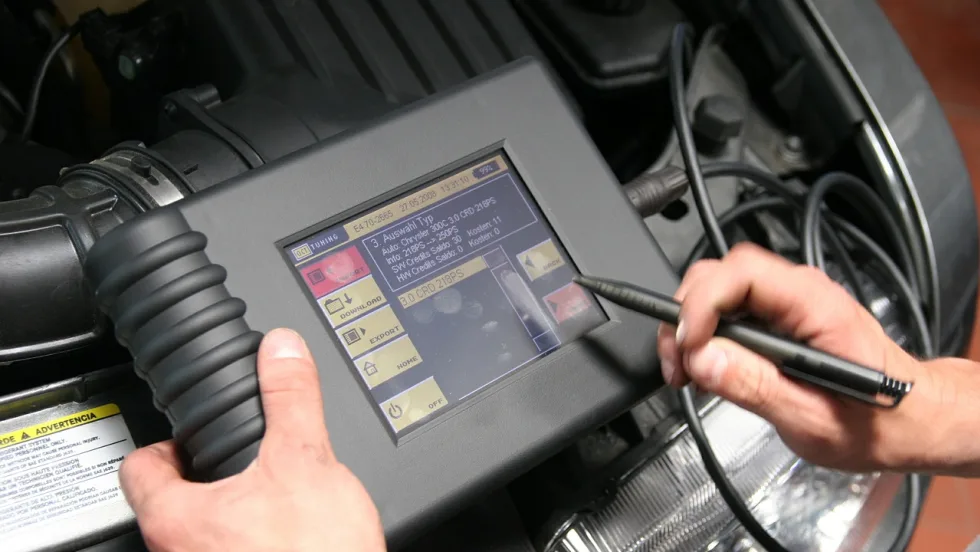
It’s Time to Formulate an ADAS Game Plan
As proliferation of Advanced Driver Assistance Systems (ADAS) increases, skilled labor, equipment, and training costs will increase as well. Fleet operators can’t mitigate these financial burdens by cutting corners on ADAS recalibration and repairs.
Read More →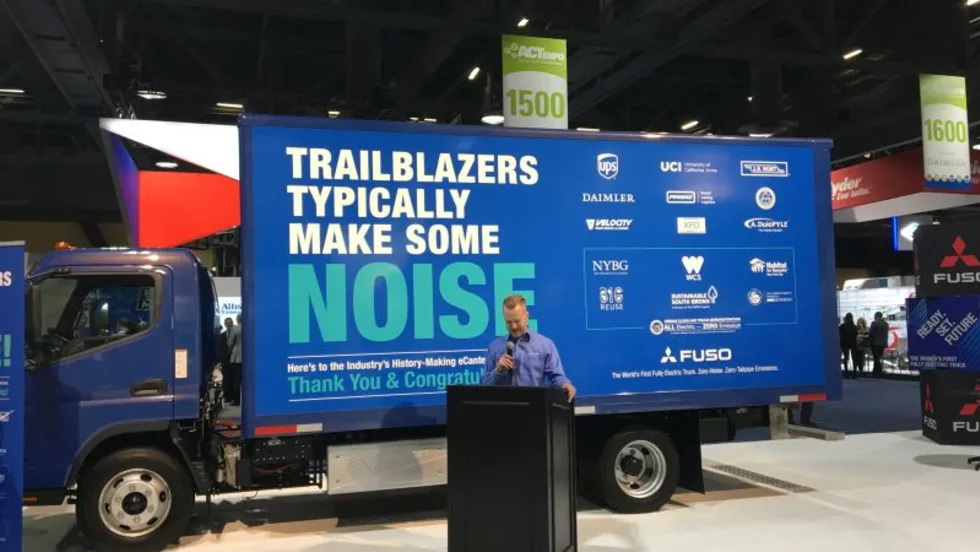
The Future is Electric, But…
With an increasing emphasis on emissions reductions mandates, will fleet operators get caught between clean technologies on their way out and an electric future that hasn’t yet arrived?
Read More →
6 Trend Lines from the 2019 Work Truck Show
From giant leaps in torque and towing to heavy duty truck personalization and chassis cab styling, these trends emerged from this year’s Work Truck Show in Indianapolis.
Read More →
They’re Coming for Your Diesel
In Southern California and other parts of the world, regulators are coalescing to ban, or severely curtail, diesel vehicles. There’s a growing disconnect with the mandates to green the environment and the availability of products and technologies to get us there.
Read More →
Hey Cannabis Companies, Welcome to Fleet
An industry is forming, and it needs help with fleet. In the meantime, the fleet industry should know that these new businesses are navigating extraordinary circumstances, which is forcing them to be better fleet operators pretty darn quick.
Read More →
Takeaways from the Fleet Forward Conference
Most attendees — from established fleets and vendors to new players that were only formed five years ago — didn’t know anyone. But that’s exactly the point.
Read More →
Is it Time to Rethink How Drivers Are Paid?
With the ELD rule affecting miles driven, and drivers’ duties increasingly including more than just driving the vehicle, what can be done to more accurately and fairly reflect a driver’s workday?
Read More →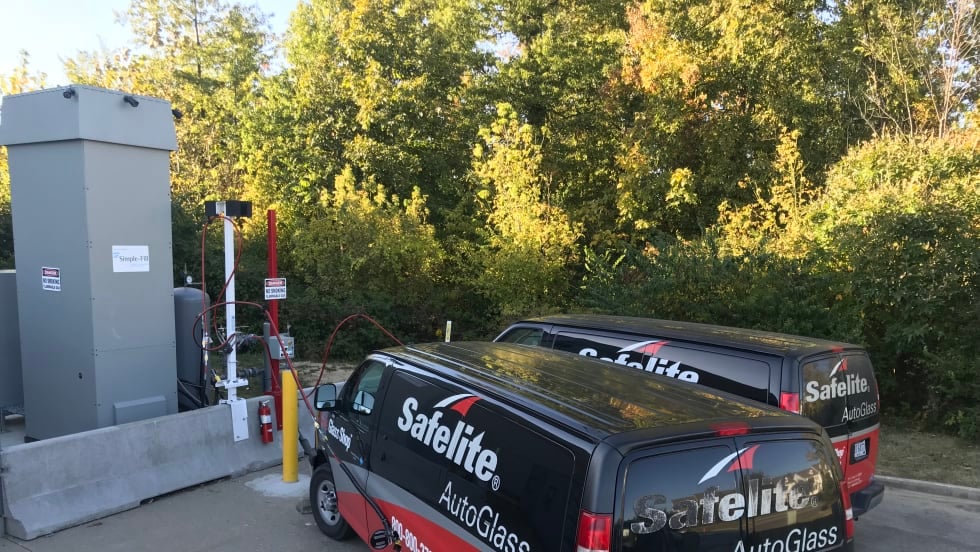
Whatever Happened to CNG?
While the light-duty market for compressed natural gas vehicles has almost evaporated, new near zero emissions technology and drastic reductions in infrastructure costs have reinvigorated the market for medium- and heavy-duty applications — even for smaller fleets.
Read More →