


What Keeps Small Fleets up at Night?
Our survey of small commercial fleets reveals their top pain points, but also shows that just a little more focus on fleet could drive big improvements.

Business Fleet recently surveyed its readership to understand the pain points facing small fleets today. We asked readers to rank their top four issues from the enclosed list, and we weighted the responses by ranking and occurrence to arrive at the corresponding number and an overall ranking.
Business Fleet Survey of Top Fleet Issues | |
|---|---|
Reducing fleet costs | 113 |
Vehicle maintenance/preventive maintenance | 78 |
Conserving fuel | 69 |
Regulatory compliance | 57 |
Driver/worker productivity | 51 |
Capitalized costs of new vehicles | 49 |
Driver hiring/retention | 48 |
Distracted driving/accident management | 47 |
Risk management/driver monitoring/personal use of fleet vehicles | 45 |
Vehicle safety | 40 |
Environmental stewardship/”going green” | 29 |
Adaption of alternative fuel vehicles | 21 |
Recalls | 15 |
Routing | 11 |
Remarketing de-fleeted vehicles | 9 |
Survey administered from June 19 to June 26, 2014. Survey takers chose top four issues. Number is weighted response by prevalence and ranking of each issue.
Certainly, fleets of all sizes face all of the issues on our list. But the rankings speak particularly to the nature of small fleets.
In our survey, the issue chosen the most was “reducing fleet costs,” by far. “Vehicle maintenance/preventive maintenance” took second place, while “conserving fuel” took third. The least important issues were “adaption of alternative fuel vehicles,” “recalls,” “routing” and “remarketing.”
What constitutes a small fleet? Business Fleet’s readership comprises commercial fleets with 10 to 50 light- and medium-duty units. In terms of industry segment, the largest by far is “construction,” followed by “retail/wholesale trade” and “business/personal services.” Business Fleet readers are residential and heavy construction contractors, HVAC technicians, plumbers, electricians, landscapers and dry cleaners. After that, the subscriber base is made up of a very long tail of small fleets from disparate industries and business types.
With such diversity, what ties them all together? Besides the fact that they source their vehicles predominantly from franchised dealers and regional independent lessors, they generally don’t have a dedicated fleet manager. And that has always been the challenge when it comes to small fleet management.
The person in charge of the small fleet usually has many other duties. Judging by this person’s title — from maintenance manager and warehouse supervisor to human resources director and controller — those duties often push fleet far down the list.
But therein lies the irony when it comes to small fleet management: The manager of the small fleet has precious little time to devote to fleet, but with just a little focus, can realize substantially greater cost and efficiency improvements than the dedicated large fleet manager.
The largest survey response, reducing fleet costs, is no doubt an issue with fleets large and small. And yet, some small fleets may not know they qualify for fleet incentives with the auto manufacturers or that their trade association may provide another source for discounts.
Because small fleets run their vehicles to high mileage, maintenance is a top issue. Implementing simple maintenance and repair guidelines will instill greater accountability with drivers and drive down costs.
Conserving fuel is another pain point. Yet many small fleets can’t even identify their fuel spend, or know the amount of their fuel fraud. A low- to no-cost fuel card program could save 15% or more on fuel.
Remarketing is less of an issue with small fleets, because they sell fewer vehicles in a year. But who wouldn’t want to pocket an extra $500 per unit by simply timing the sale into a hotter used car month?
In terms of alternative-fuel vehicles, many small fleets have brushed aside their implementation to take care of everyday business obligations. Yet, they may not know that the new crop of internal combustion engines can cost effectively reduce fuel spend and lessen their carbon footprint.
If you still don’t have the time to investigate and implement these initiatives, you may benefit from outsourcing some of the work to a fleet management company. At the very least, get connected to a fleet-minded dealer who can act as a consultant on fleet matters.
Small fleet managers, this isn’t an indictment of your fleet management skills, it is an understanding of your time. With all that’s on your plate, time is a precious commodity. The good news is that devoting just a little more time to fleet will help alleviate these pain points — and it won’t take too much work to get there.
More Blog Posts
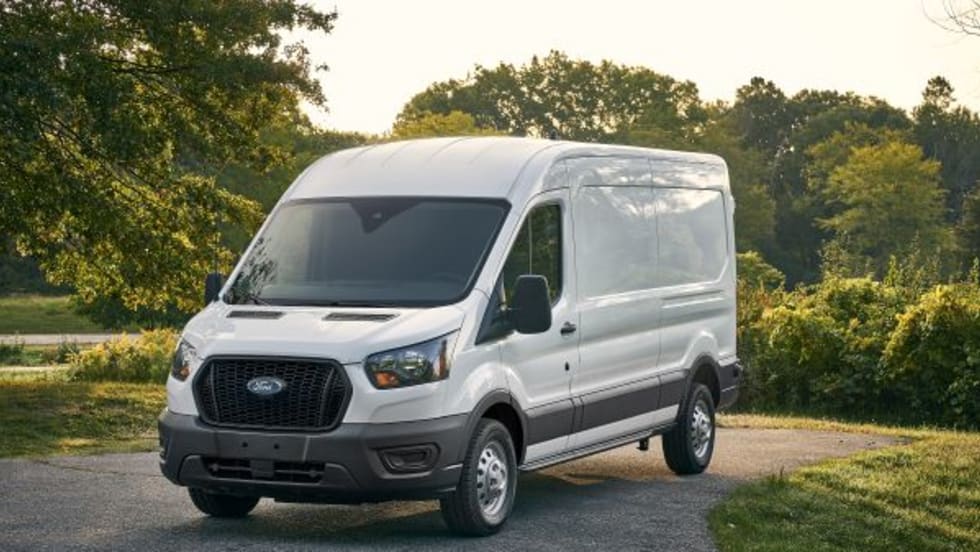
2021 Ford Transit Offers Versatility for Fleets
For the 2021-MY, Ford made ergonomic enhancements for drivers and added an available Parcel Delivery Package. This follows a major refresh in 2020, which added a Crew version, a new standard engine, standard active safety technologies, and embedded telematics to the Transit van family.
Read More →
Recognizing the Other Essential Drivers
Vocational and business fleet drivers don’t get the attention that truckers do. Yet they too are on the front lines, and their jobs often bring them into uncontrolled environments every day.
Read More →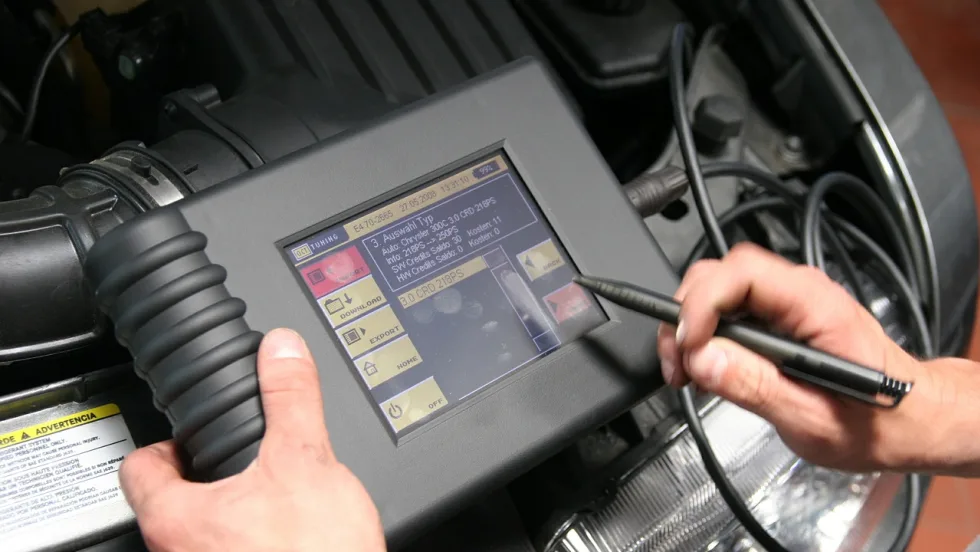
It’s Time to Formulate an ADAS Game Plan
As proliferation of Advanced Driver Assistance Systems (ADAS) increases, skilled labor, equipment, and training costs will increase as well. Fleet operators can’t mitigate these financial burdens by cutting corners on ADAS recalibration and repairs.
Read More →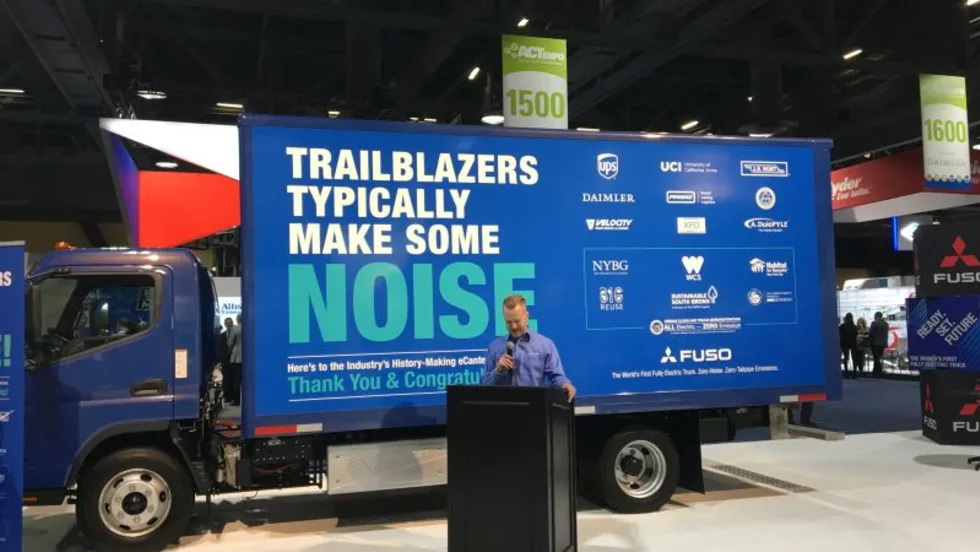
The Future is Electric, But…
With an increasing emphasis on emissions reductions mandates, will fleet operators get caught between clean technologies on their way out and an electric future that hasn’t yet arrived?
Read More →
6 Trend Lines from the 2019 Work Truck Show
From giant leaps in torque and towing to heavy duty truck personalization and chassis cab styling, these trends emerged from this year’s Work Truck Show in Indianapolis.
Read More →
They’re Coming for Your Diesel
In Southern California and other parts of the world, regulators are coalescing to ban, or severely curtail, diesel vehicles. There’s a growing disconnect with the mandates to green the environment and the availability of products and technologies to get us there.
Read More →
Hey Cannabis Companies, Welcome to Fleet
An industry is forming, and it needs help with fleet. In the meantime, the fleet industry should know that these new businesses are navigating extraordinary circumstances, which is forcing them to be better fleet operators pretty darn quick.
Read More →
Takeaways from the Fleet Forward Conference
Most attendees — from established fleets and vendors to new players that were only formed five years ago — didn’t know anyone. But that’s exactly the point.
Read More →
Is it Time to Rethink How Drivers Are Paid?
With the ELD rule affecting miles driven, and drivers’ duties increasingly including more than just driving the vehicle, what can be done to more accurately and fairly reflect a driver’s workday?
Read More →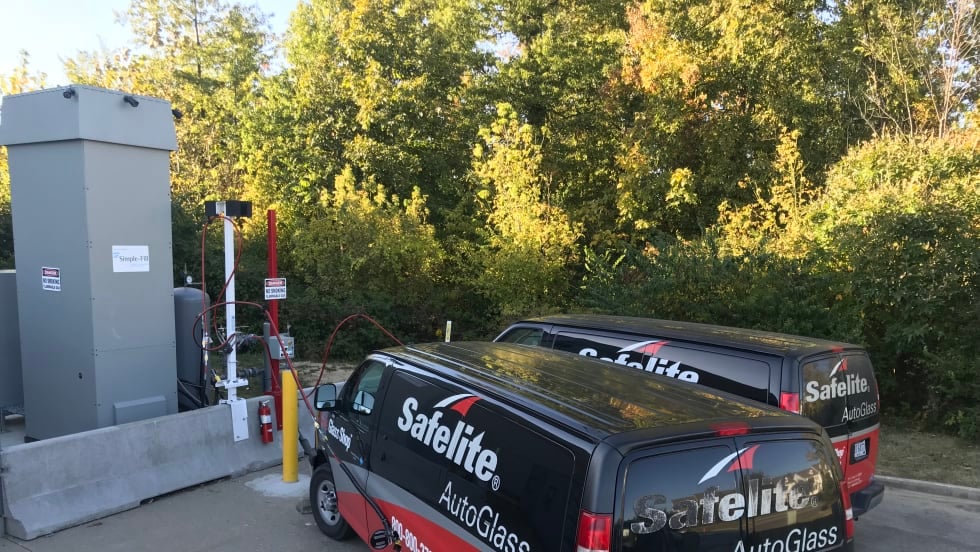
Whatever Happened to CNG?
While the light-duty market for compressed natural gas vehicles has almost evaporated, new near zero emissions technology and drastic reductions in infrastructure costs have reinvigorated the market for medium- and heavy-duty applications — even for smaller fleets.
Read More →