


What Makes a Good Dealership Rental Manager?
Car dealerships thinking about starting a rental program should consider these seven points before making their first key decision, hiring a rental manager.

As an auto dealer, you’re in business to sell cars, not rent them. That’s why many dealers use a national car rental provider to handle service loaners and replacement rentals. But let’s face it — in this business model, you’re giving away part of your customers’ experience to a third party. And that third party also wants to sell them a car.
Keeping your customer through the lifecycle of the car and beyond — with your standard of customer service — is a key reason to develop an in-house rental program. But it’s not the only one: Your customers have an opportunity to test drive their next vehicle purchase from you; de-fleeted rental vehicles make great additions to a certified pre-owned program, because you’ve got preventive maintenance and service accountability. And a well-run service loaner program has been known to grow the service business.
And maybe, if you get this rental thing figured out, you might even make a little money — or at least return money to your dealership that had been going outside.
The process of getting a proper rental department up and running sounds daunting, because it is. But if you can find the right manager to run the department, you’re halfway past the hard stuff. So what factors should you and a good rental manager always keep in mind?
First, understand that service managers and used car managers don’t generally make good rental managers. Overworked service managers shouldn’t stray from their goal of client servicing by worrying about used car residual values. Nor should used car managers be dangled the opportunity to prematurely pull a vehicle out of a rental fleet to sell a car, at least not without considering the financial hit to the rental department.
- Running the department according to its own profit and loss
This fact becomes a constant balancing act with the needs of other departments and the goals of the dealership overall. How well does the rental manager work with those departments, while keeping the best interests of rental at the fore? Can the rental manager say no to the general manager who wants to move five large SUVs into rental, just to get them off the lot? Can he or she fight for some prime real estate to put three cars with “rent me” signs to attract drive-by traffic?
- Understanding depreciation, the number one expense
As a result, calculating the holding cost of the car and managing utilization properly is essential to success. If a manufacturer pays $30 a day for warranty work, what is the maximum the rental department can afford to pay for that car, combined with days needed to rent it to break even? At what percentage should depreciation be set to not lose your shirt on the back end?
- Pricing fairly but competitively
Does the rental manager know how to set rental rates competitively and fairly — both internally and externally — based on factors such as retail rental rates and what the manufacturer will allow for warranty work?
- Knowing when to buy and sell
The art of buying and selling cars to a large extent determines any rental operation’s success, just as it does to car dealers. Can the rental manager buy the right cars (internally, from the dealer group’s brands) at the right price and with the right options that ultimately become a good used car? Can the rental manager maximize a manufacturer’s incentives or stair-steps — while still benefitting the rental department?
- Navigating the manufacturers’ rules
When it comes to manufacturer’s rental programs and warranty work, the rules and restrictions are as varied as hood ornament designs. The rental manager needs to know the minimum and maximum months in service allowable for each program, when it’s permissible to put renters in a different brand than the car they own and how to manage putting a luxury customer in an equal replacement rental without eroding revenue. For rental managers in dealer groups with multiple brands, can this person create a streamlined system for all brands, yet incorporate each brand’s unique stipulations?
- Mitigating liability
The rental manager needs to understand and mitigate liability exposure. Is the customer signing a contract with language that would hold up in court? Is the rental car insured properly? Does the renter carry the right insurance? It only takes one of those issues to backfire to be a burdensome expense to you.
- Cultivating retail rentals
While renting to the general public may only be a small percentage of the rental department’s pie, growing this side of the business could provide that extra utilization to turn the department into profitability. Does the rental manager know how to go after local corporate accounts? Can he or she create a program to attract dealership employees that will rent over the weekends? Does the rental manager know how to use search engine optimization to draw business online?
Are you a car dealer interested in starting a rental program at your dealership, or would like to make your loaner program more efficient and profitable? Join us at the 2015 International Car Rental Show for our Auto Dealer Track, three hours of programming geared directly toward growing a successful dealership rental operation.
Click here for show schedule and more information.
More Blog Posts
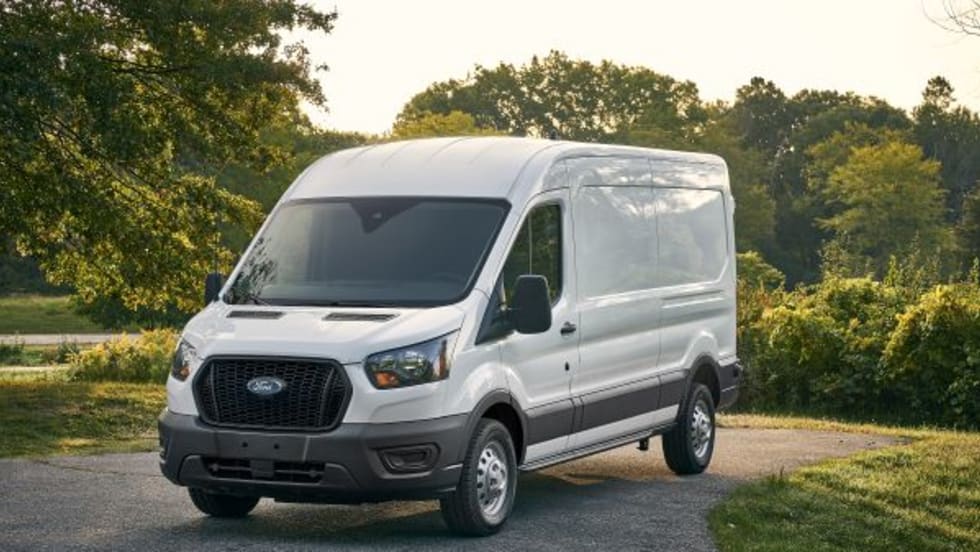
2021 Ford Transit Offers Versatility for Fleets
For the 2021-MY, Ford made ergonomic enhancements for drivers and added an available Parcel Delivery Package. This follows a major refresh in 2020, which added a Crew version, a new standard engine, standard active safety technologies, and embedded telematics to the Transit van family.
Read More →
Recognizing the Other Essential Drivers
Vocational and business fleet drivers don’t get the attention that truckers do. Yet they too are on the front lines, and their jobs often bring them into uncontrolled environments every day.
Read More →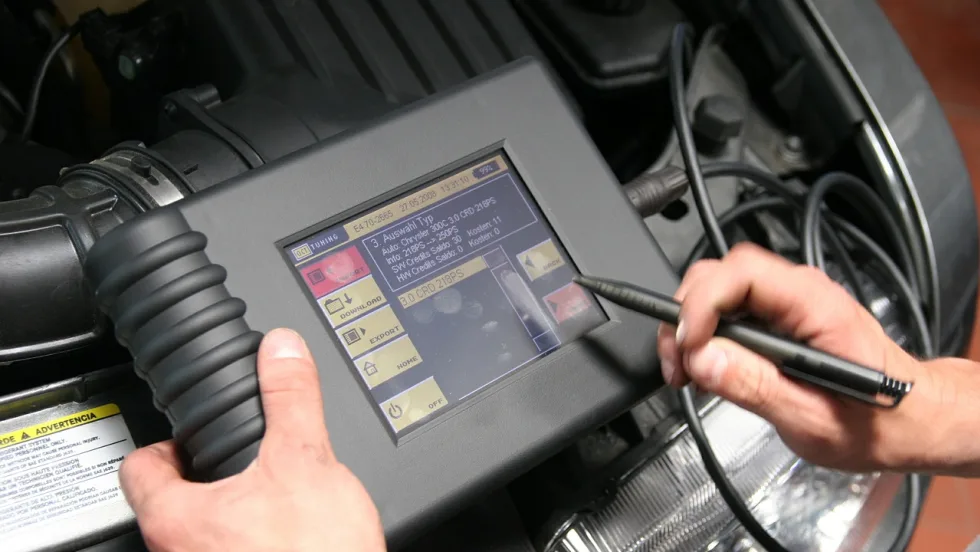
It’s Time to Formulate an ADAS Game Plan
As proliferation of Advanced Driver Assistance Systems (ADAS) increases, skilled labor, equipment, and training costs will increase as well. Fleet operators can’t mitigate these financial burdens by cutting corners on ADAS recalibration and repairs.
Read More →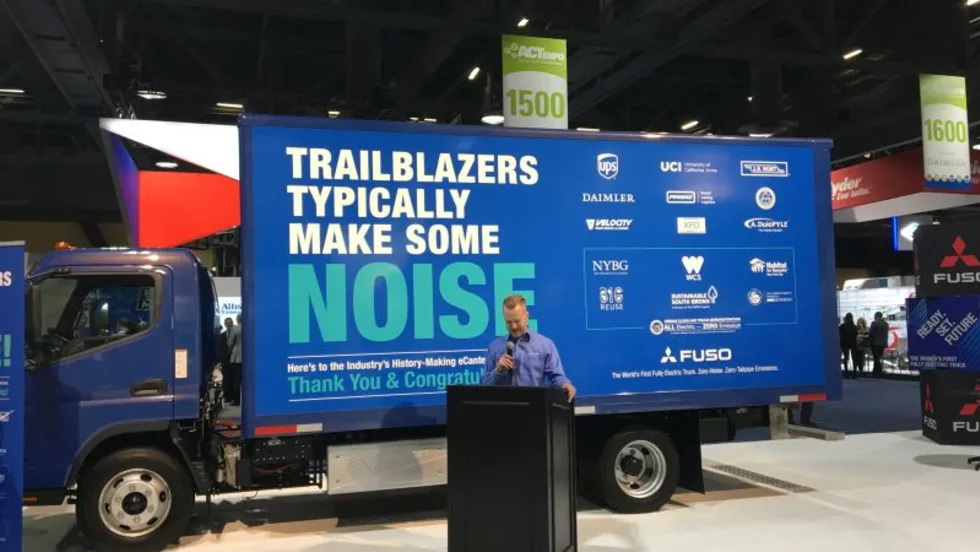
The Future is Electric, But…
With an increasing emphasis on emissions reductions mandates, will fleet operators get caught between clean technologies on their way out and an electric future that hasn’t yet arrived?
Read More →
6 Trend Lines from the 2019 Work Truck Show
From giant leaps in torque and towing to heavy duty truck personalization and chassis cab styling, these trends emerged from this year’s Work Truck Show in Indianapolis.
Read More →
They’re Coming for Your Diesel
In Southern California and other parts of the world, regulators are coalescing to ban, or severely curtail, diesel vehicles. There’s a growing disconnect with the mandates to green the environment and the availability of products and technologies to get us there.
Read More →
Hey Cannabis Companies, Welcome to Fleet
An industry is forming, and it needs help with fleet. In the meantime, the fleet industry should know that these new businesses are navigating extraordinary circumstances, which is forcing them to be better fleet operators pretty darn quick.
Read More →
Takeaways from the Fleet Forward Conference
Most attendees — from established fleets and vendors to new players that were only formed five years ago — didn’t know anyone. But that’s exactly the point.
Read More →
Is it Time to Rethink How Drivers Are Paid?
With the ELD rule affecting miles driven, and drivers’ duties increasingly including more than just driving the vehicle, what can be done to more accurately and fairly reflect a driver’s workday?
Read More →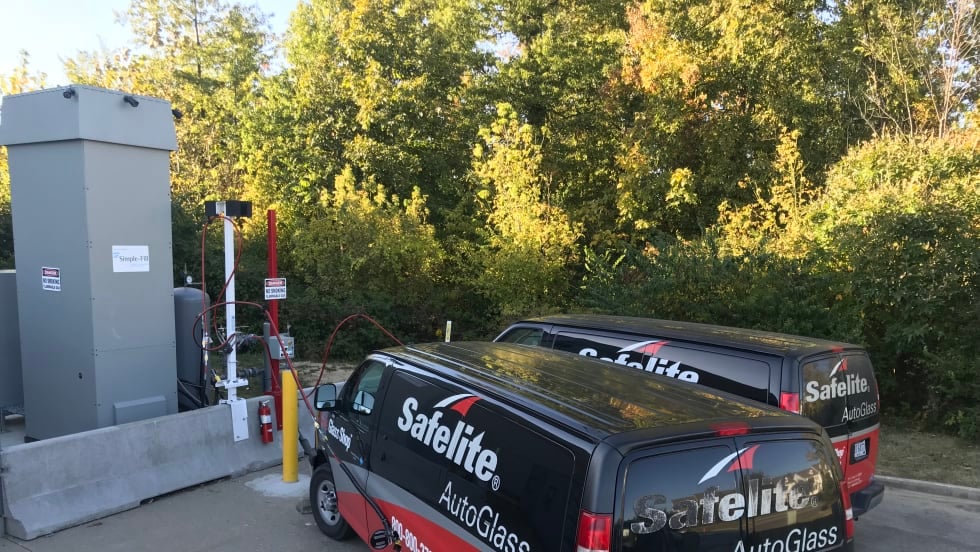
Whatever Happened to CNG?
While the light-duty market for compressed natural gas vehicles has almost evaporated, new near zero emissions technology and drastic reductions in infrastructure costs have reinvigorated the market for medium- and heavy-duty applications — even for smaller fleets.
Read More →