


What Penske Brings to Car Rental
The new Hertz franchisee is bringing to car rental a focus on facilities and employee practices, while Penske dealerships will get a stable source of low-mileage used vehicles.

Say “Penske,” and the first thought that comes to mind would be “racing,” with “yellow trucks” and “dealerships” perhaps a close second and third. As a new Hertz franchisee, Penske has only been in car rental for about seven months, but the multi-national company is already bringing its long-time core philosophies into the industry. Bud Denker, senior vice president of Penske Corporation, gave Car Rental Show (CRS) attendees Penske’s strategic vision for car rental and the company as a whole during his keynote address.
For the uninitiated, the breadth and volume of Penske’s business might be surprising – the company earned $19 billion in total revenue in 2012, only $4 billion shy of the total yearly revenues for the entire U.S. car rental market.
Penske is divided into four divisions: transportation, automotive, performance and private equity (investments). Its flagship racing division – arguably the most successful in motorsports – fields IndyCar and NASCAR teams and claims 15 Indianapolis 500 wins, the most by an owner by a country mile. The transportation division encompasses Penske Truck Leasing and Penske Logistics as well as two truck equipment companies. Car rental falls under the automotive division, which includes 342 dealer franchises in 18 states and four foreign countries. Penske is the second largest dealer group in the U.S., selling 40 brands, mostly premium nameplates.
In his CRS address, Denker stressed the importance of Penske’s human capital. “We like to think it’s hard to get into our company,” he said.
Candidates must go through as many as nine interviews during the hiring process, including third-party interviews, job-suitability testing and background checks. Upon taking over Hertz operations as a franchise in Memphis, every Hertz employee went through that rigorous process, Denker said.
Once a candidate becomes an employee, retention is a top priority. Human resources staffers are specifically tasked with keeping them in the fold through training programs and employee surveys. As a result, employee retention has improved by more than 50% in 10 years. In Memphis, Penske retained 96% of Hertz’s employees while also expanding its total car rental employee base.
Employees are evaluated and receive bonuses based on the all-important Customer Satisfaction Index (CSI), the performance rating used by dealerships after every sale. Penske has “a relentless focus on driving satisfaction,” both internal and with the customer, which includes an attention to Net Promoter Scores (NPS). On the customer side, Denker said Penske will utilize aspects of the car buying F&I process to qualify a car renter.
The second pillar of Penske’s corporate structure is a focus on its facilities, which goes hand in hand with employee satisfaction. The company sunk $2 billion into its physical structures in the past 10 years, manifested by onsite test tracks at the company’s multi-franchise dealership campuses and unique customer attractions such as the Ferrari Museum at the Ferrari dealership in the Wynn Las Vegas hotel.
Tidiness and cleanliness are staples of a Roger Penske-run operation. All of Penske’s 40,000 employees must adhere to a nightly “clean desk policy.” In dealership service bays, all service lifts are raised nightly to allow for cleaning underneath and all toolboxes are colored by brand. The uniform for car rental employees consists of the traditional Penske crisp black pants and white shirt, emblazoned with the Hertz and Penske logos.
“We want to leverage what we already have in the car and truck space,” Denker said, adding that within the next three to four months, eight to 12 Penske truck rental facilities will have a car rental operation.
Incorporating car rental with Penske’s dealership business is also part of the plan, with on-site or nearby car rental facilities. This accomplishes a few things: Penske’s dealer service departments will also service car rental; the new Hertz fleet will increase throughput with selected auto manufacturers; and de-fleeted Hertz rentals will help satisfy the dealerships’ continual need for late-model used vehicles.
The company invested in new off-airport facilities in Memphis, and this operation has grown 15% since Penske took over in October. At the new consolidated rental facility at the Memphis airport, Penske has added a Hertz Gold Plus Rewards facility, with a no-counter kiosk setup similar to Apple stores. There’s even a racecar in the parking area for some pizzazz. “We’re looking at a very aggressive expansion in the Memphis marketplace,” Denker said.
Denker envisions a 50/50 split between airport and local market business. Penske’s Memphis and Indiana car rental operations already count more than 5,500 vehicles in fleet.
More Blog Posts
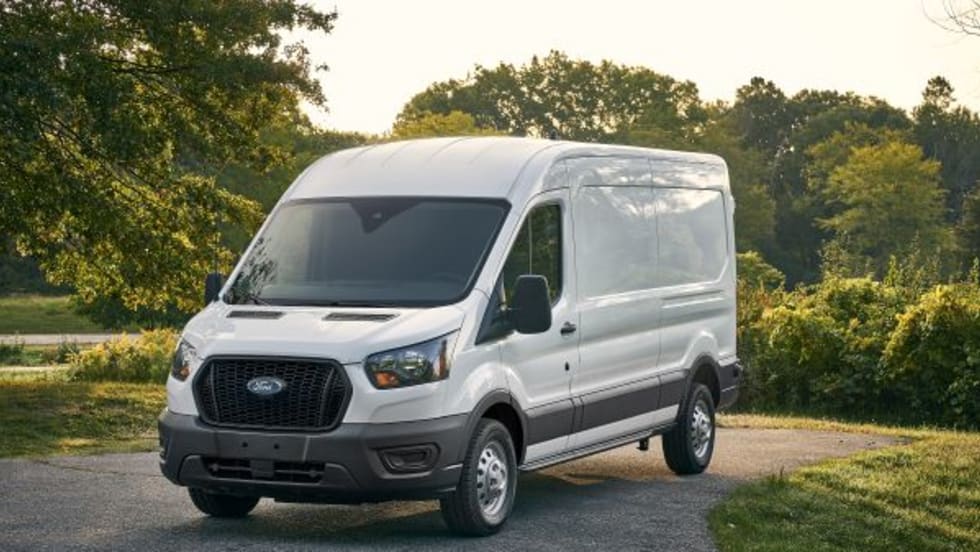
2021 Ford Transit Offers Versatility for Fleets
For the 2021-MY, Ford made ergonomic enhancements for drivers and added an available Parcel Delivery Package. This follows a major refresh in 2020, which added a Crew version, a new standard engine, standard active safety technologies, and embedded telematics to the Transit van family.
Read More →
Recognizing the Other Essential Drivers
Vocational and business fleet drivers don’t get the attention that truckers do. Yet they too are on the front lines, and their jobs often bring them into uncontrolled environments every day.
Read More →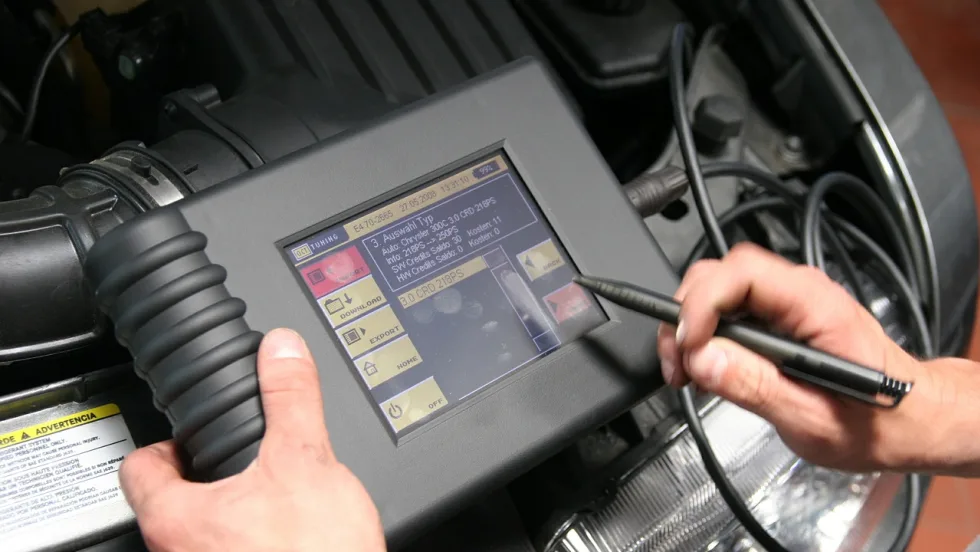
It’s Time to Formulate an ADAS Game Plan
As proliferation of Advanced Driver Assistance Systems (ADAS) increases, skilled labor, equipment, and training costs will increase as well. Fleet operators can’t mitigate these financial burdens by cutting corners on ADAS recalibration and repairs.
Read More →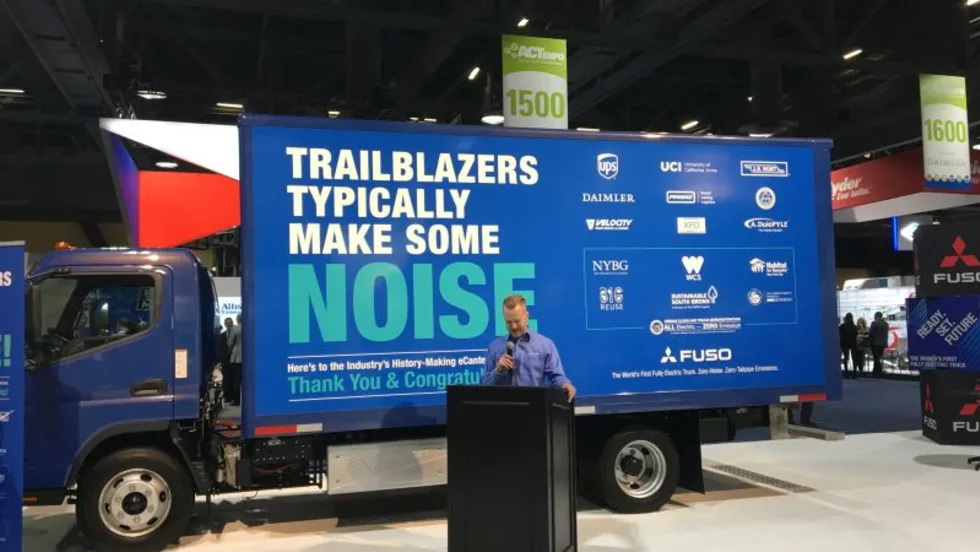
The Future is Electric, But…
With an increasing emphasis on emissions reductions mandates, will fleet operators get caught between clean technologies on their way out and an electric future that hasn’t yet arrived?
Read More →
6 Trend Lines from the 2019 Work Truck Show
From giant leaps in torque and towing to heavy duty truck personalization and chassis cab styling, these trends emerged from this year’s Work Truck Show in Indianapolis.
Read More →
They’re Coming for Your Diesel
In Southern California and other parts of the world, regulators are coalescing to ban, or severely curtail, diesel vehicles. There’s a growing disconnect with the mandates to green the environment and the availability of products and technologies to get us there.
Read More →
Hey Cannabis Companies, Welcome to Fleet
An industry is forming, and it needs help with fleet. In the meantime, the fleet industry should know that these new businesses are navigating extraordinary circumstances, which is forcing them to be better fleet operators pretty darn quick.
Read More →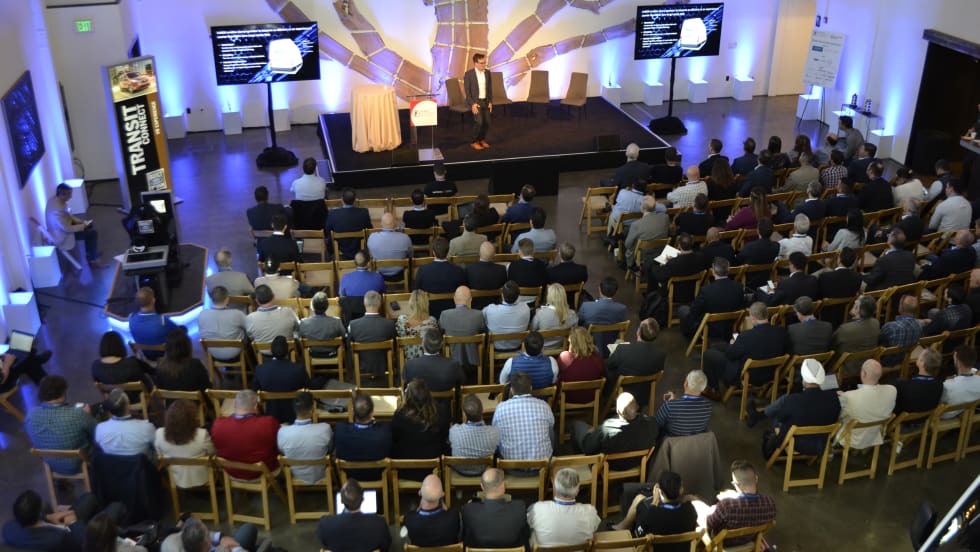
Takeaways from the Fleet Forward Conference
Most attendees — from established fleets and vendors to new players that were only formed five years ago — didn’t know anyone. But that’s exactly the point.
Read More →
Is it Time to Rethink How Drivers Are Paid?
With the ELD rule affecting miles driven, and drivers’ duties increasingly including more than just driving the vehicle, what can be done to more accurately and fairly reflect a driver’s workday?
Read More →
Whatever Happened to CNG?
While the light-duty market for compressed natural gas vehicles has almost evaporated, new near zero emissions technology and drastic reductions in infrastructure costs have reinvigorated the market for medium- and heavy-duty applications — even for smaller fleets.
Read More →