


When Commercial Parking Bans Go Too Far
Is it a neighborhood aesthetics issue or an intrusion on personal freedom? At any rate, a new local law will force many contractors, landscapers and fleets that allow workers to take vehicles home to rethink their transportation.

You may allow your drivers to take your company’s trucks and vans home at night, but the city they live in may not permit it. Such is the case in Harrison, N.Y., an affluent little burg 22 miles north of Manhattan.
A new law will take effect March 1 in Harrison that bans overnight parking for commercial vehicles in residential neighborhoods. The new ordinance not only includes traditional commercial vehicles (bus, school bus, omnibus, taxi, livery) and those with commercial license plates, but any vehicle with equipment (ladder, rope, cable, plow, tool, machinery) stored outside the vehicle — and inside as well. See the ordinance’s definition in this video from a recent town board meeting.
Some say this definition as it pertains to the law goes too far. “The law encompasses just about every vehicle in my opinion,” says Harrison resident Robert Porto, who thinks there should be some limits; however, “I oppose the fact that the police can pick and choose who can park on the street.”
Porto, incidentally, has no dog in this fight. He is not put out by the new law; he just believes it is unfair. Fellow resident Lucille Held concurs. “Harrison residents pay taxes to maintain the roads, so I would suggest they should be allowed to use them to their full extent. How much punishment can we give people for making a living?”
From a fleet owner and user perspective, this creates a burden to the extent that some individuals and companies would have to rethink their transportation model. Many fleets allow workers to take trucks home as a simple route efficiency plan: Instead of having to come to the office to get the truck before starting the first job the next day, the worker can go directly to that job from home. And for the individual gardener, landscaper or contractor, that work vehicle gets him where he needs to go and home again at night. To burden these workers with finding a pay lot to park in every night would be a tremendous cost and efficiency burden.
There have been rumblings that these trucks service illegal businesses, such as taxi services or mechanic’s shops, out of homes. If that’s the case, the town should address this problem directly, not obliquely through a law that burdens the great majority of law abiders.
In an unscientific poll conducted on the Harrison Patch newspaper’s website, 85% of poll takers responded that they support the ban (“Yes, I think it will improve the look of the town”). But if there is an actual study that links a diminution of property value with a van or pickup on the street at night, please show it to me.
Harrison is one of scores of cities that have addressed the issue, such as this ordinance in Bayonne, N.J. The rule in Bayonne, though, specifically identifies commercial vehicles as limousines, taxis or those weighing more than 12,000 lbs. The town does have special utility lots for overnight parking of commercial vehicles for $35-a-month fee.
Coral Gables, Fla., however, has a fairly draconian policy. In that town, the issue went all the way up to a state appeals court. After a contractor was cited in 2003 for parking his ford F-150 in front of his home at night, in a 6-2 judgment the appeals court ruled that a city could indeed ban commercial vehicles to “enhance neighborhood aesthetics.”
In the Coral Gables case, the fact that the appeals court ruled on a Ford F-150 is alarming. How could police possibly make a distinction of a pickup truck for personal use and one for business? Would it be OK if the truck owner removed his vinyl business sign from the truck as well as his tools each night? What if the truck owner fished on the weekend for fun, and left his tangled fishing nets in the bed?
More than one judge, including one who dissented in this case, termed such ordinances as elitist, especially as pickups are not necessarily bigger, wider or heavier than personal-use SUVs. I agree. Certainly, any town that has a ban on commercial vehicles parked overnight anywhere must have a similar ordinance against recreation vehicles. It’s only fair.
Legislation and zoning of “aesthetics” gets tricky, as you have elected officials and police making these judgment calls. And I believe it cuts directly into personal freedom.
Are there similar laws in your area? How do you feel? As for Harrison, it will be interesting to see how the police enforce the ban after March 1.
More Blog Posts
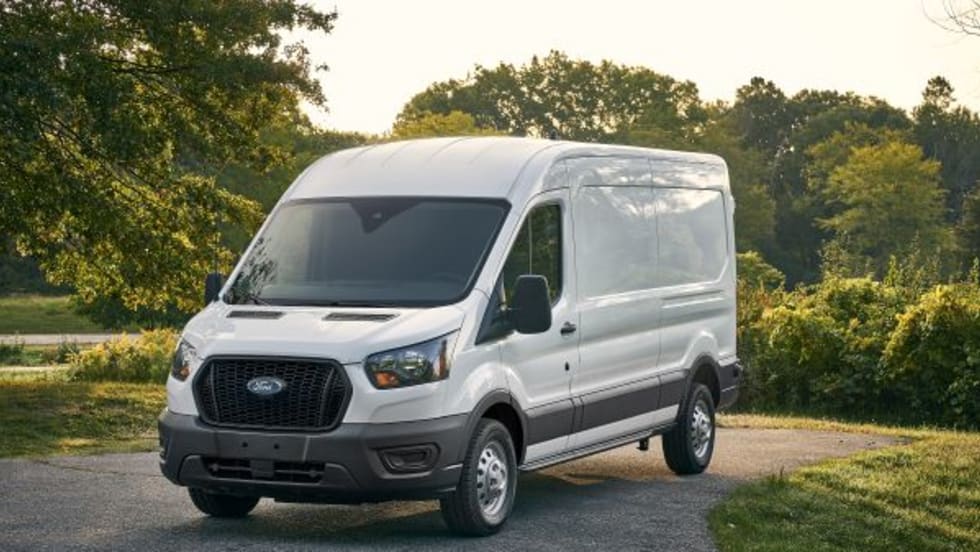
2021 Ford Transit Offers Versatility for Fleets
For the 2021-MY, Ford made ergonomic enhancements for drivers and added an available Parcel Delivery Package. This follows a major refresh in 2020, which added a Crew version, a new standard engine, standard active safety technologies, and embedded telematics to the Transit van family.
Read More →
Recognizing the Other Essential Drivers
Vocational and business fleet drivers don’t get the attention that truckers do. Yet they too are on the front lines, and their jobs often bring them into uncontrolled environments every day.
Read More →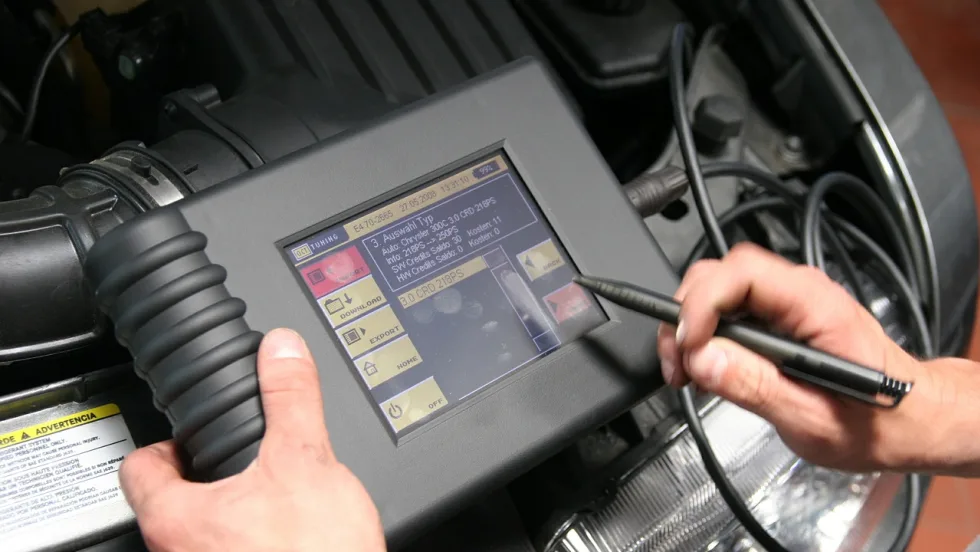
It’s Time to Formulate an ADAS Game Plan
As proliferation of Advanced Driver Assistance Systems (ADAS) increases, skilled labor, equipment, and training costs will increase as well. Fleet operators can’t mitigate these financial burdens by cutting corners on ADAS recalibration and repairs.
Read More →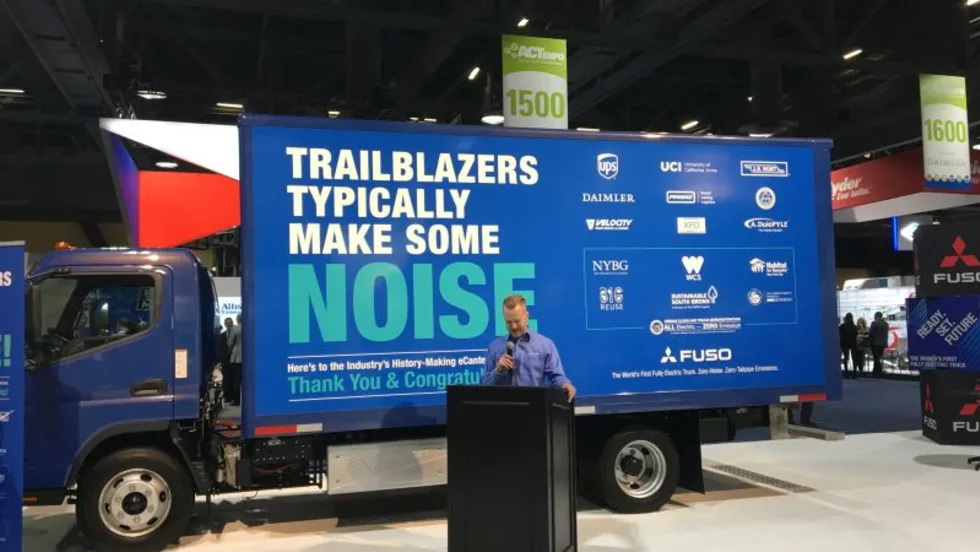
The Future is Electric, But…
With an increasing emphasis on emissions reductions mandates, will fleet operators get caught between clean technologies on their way out and an electric future that hasn’t yet arrived?
Read More →
6 Trend Lines from the 2019 Work Truck Show
From giant leaps in torque and towing to heavy duty truck personalization and chassis cab styling, these trends emerged from this year’s Work Truck Show in Indianapolis.
Read More →
They’re Coming for Your Diesel
In Southern California and other parts of the world, regulators are coalescing to ban, or severely curtail, diesel vehicles. There’s a growing disconnect with the mandates to green the environment and the availability of products and technologies to get us there.
Read More →
Hey Cannabis Companies, Welcome to Fleet
An industry is forming, and it needs help with fleet. In the meantime, the fleet industry should know that these new businesses are navigating extraordinary circumstances, which is forcing them to be better fleet operators pretty darn quick.
Read More →
Takeaways from the Fleet Forward Conference
Most attendees — from established fleets and vendors to new players that were only formed five years ago — didn’t know anyone. But that’s exactly the point.
Read More →
Is it Time to Rethink How Drivers Are Paid?
With the ELD rule affecting miles driven, and drivers’ duties increasingly including more than just driving the vehicle, what can be done to more accurately and fairly reflect a driver’s workday?
Read More →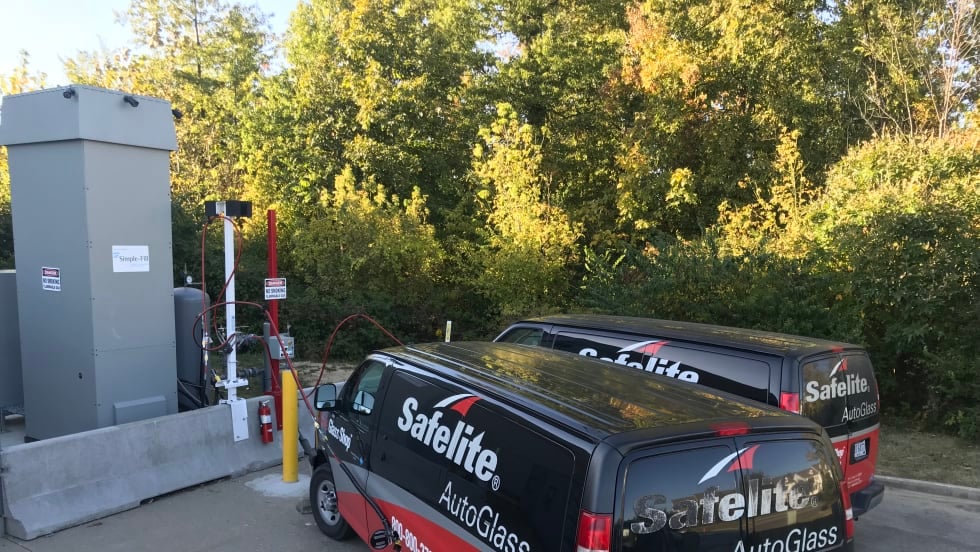
Whatever Happened to CNG?
While the light-duty market for compressed natural gas vehicles has almost evaporated, new near zero emissions technology and drastic reductions in infrastructure costs have reinvigorated the market for medium- and heavy-duty applications — even for smaller fleets.
Read More →