


Who is the Local Operator of the Future?
In an autonomous vehicle environment, the business model will change, but fleet management will be more important than it is today.

The future as we perceived it five years ago is different than the future we see today, which appears to be more, well, disruptive.
Within the past five years, we’ve seen the explosion of ride hailing, major resources devoted to autonomous vehicle development, and auto manufacturers becoming service providers by launching their own mobility programs. Keeping up with this fast-moving stream isn’t easy, particularly if you readily can’t identify your place in this future.
In speaking with car rental operators — particularly those running franchises or their own independent companies — many have taken on a fatalistic attitude when it comes to the future of their business. The attitude seems to be, “We’re doomed,” or “I won’t be around to witness it anyway.”
Those with that attitude probably won’t. A future in which cars drive themselves is certainly difficult to wrap our heads around, but right now we can at least put a few things in context.
First, there will still be service providers in this future, and someone will need to manage those vehicles. But who will that be?
While automakers are now testing the waters as mobility providers, do they want to take on this operations responsibility on a massive scale? Would car dealerships? As pervasive as Uber and Lyft have become, their present model depends on drivers using personal vehicles. When we stop driving, outright ownership will decline. That means Uber and Lyft will have to become fleet owners. Do they want that burden, or would they prefer to contract with those skilled at managing fleets?
Car rental companies know fleet management. It’s not as sexy as an iPhone app, but it’s more important. Car rental is poised to leverage this fleet management for the future.
The business model will change, however, and it’s easy to see how this could drive a fatalistic attitude. How people access vehicles will change. How they’re bought and sold will change. How vehicles are serviced will change. In an autonomous vehicle environment, it looks like vehicle ownership could eventually give way to a pay-as-you-go scheme, in which case there will be an even greater pool of vehicles to manage. In fact, fleet management will be more important than today.
Would smaller operators have a place in this future?
In a world of autonomous vehicles, there will still be the need for service providers that understand their local markets, ones that can assume the burden of operations and profit margins in ways a larger corporation may not want to be involved. This model would still be relevant in the future.
For the smaller operator, the same challenges will remain. Technology’s role will only increase, so it’s time for the technophobes to get some therapy. But you don’t have to invent the technology nor do you need to be a first adopter. Sure, how best to harness technology could keep you up at night. But think how technology has already allowed you to act like a bigger company — by implementing sophisticated customer relationship and database management systems, automated phone answering services, or slick web design. Technology may start expensive, but it inevitably becomes attainable as it develops.
Heck, 20 years ago you may have been scared about keeping up with the internet. If you’re still here, you’ve managed to stay on top of the changes and incorporate them into your business.
Just like today, small operators won’t win on price. The larger brands will always be able to buy vehicles cheaper than you can — and therefore distribute them to end users cheaper. That won’t change, so you’ll still have to look for the same advantages that you need to survive today by looking for the added value you can provide.
For smaller car rental operators, success has always been a function of exploiting a niche and making yourself indispensable to your customers. That won’t change. Earn your customers’ trust, and they’ll follow you into the future.
More Blog Posts
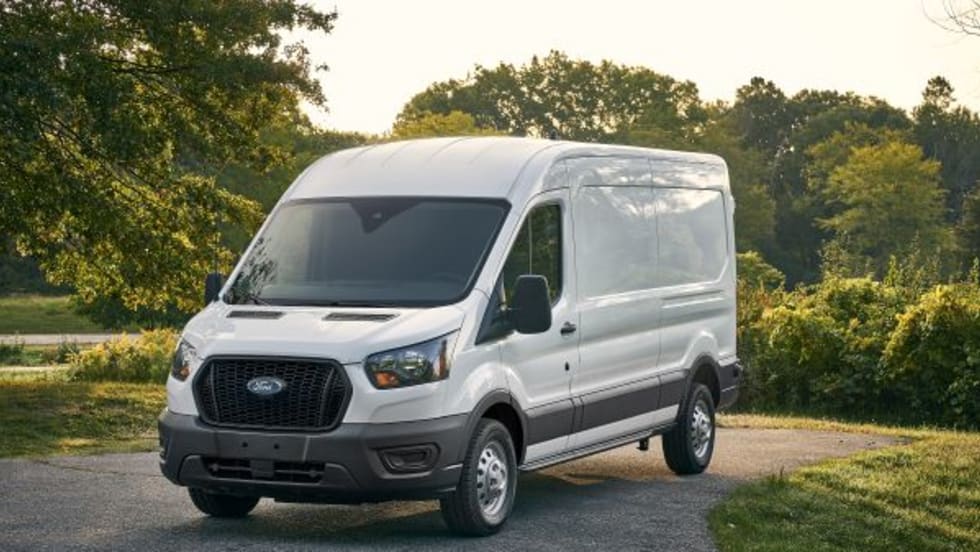
2021 Ford Transit Offers Versatility for Fleets
For the 2021-MY, Ford made ergonomic enhancements for drivers and added an available Parcel Delivery Package. This follows a major refresh in 2020, which added a Crew version, a new standard engine, standard active safety technologies, and embedded telematics to the Transit van family.
Read More →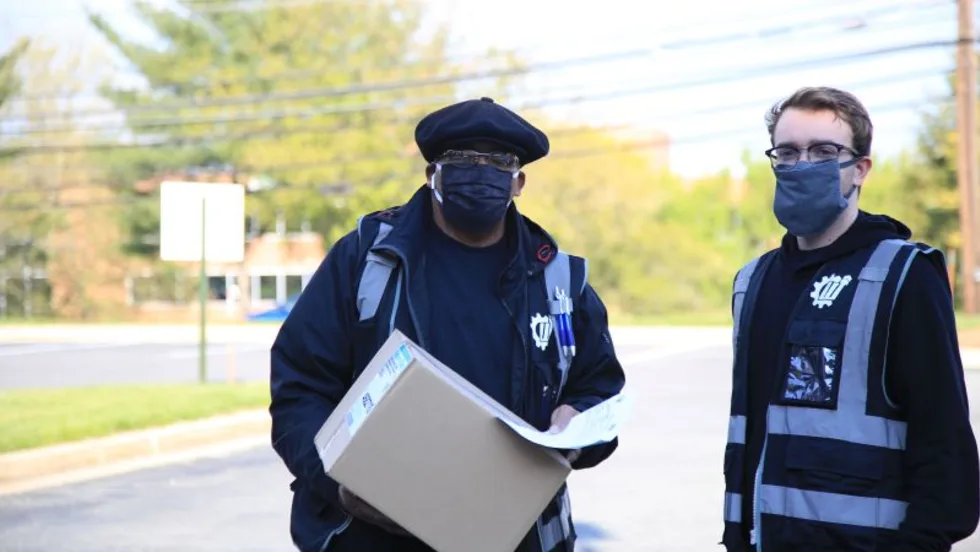
Recognizing the Other Essential Drivers
Vocational and business fleet drivers don’t get the attention that truckers do. Yet they too are on the front lines, and their jobs often bring them into uncontrolled environments every day.
Read More →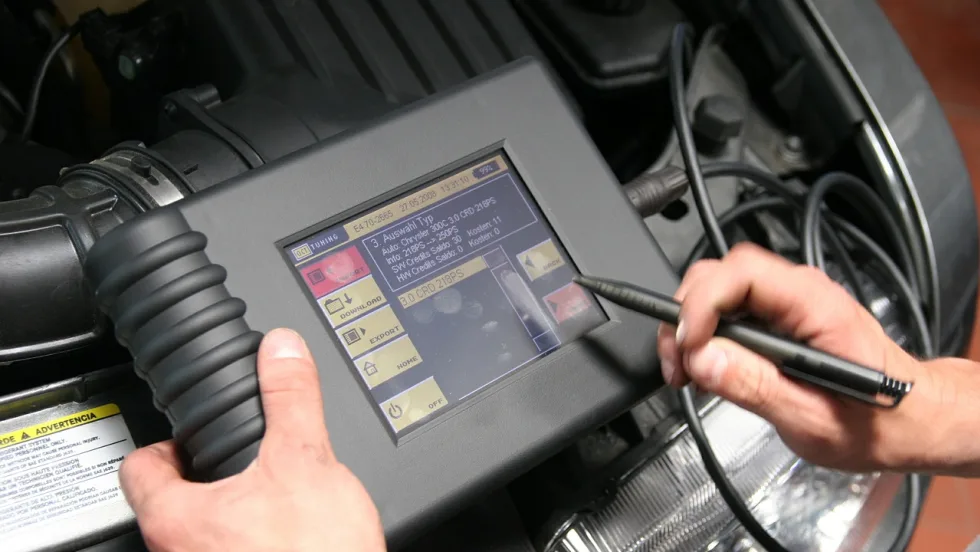
It’s Time to Formulate an ADAS Game Plan
As proliferation of Advanced Driver Assistance Systems (ADAS) increases, skilled labor, equipment, and training costs will increase as well. Fleet operators can’t mitigate these financial burdens by cutting corners on ADAS recalibration and repairs.
Read More →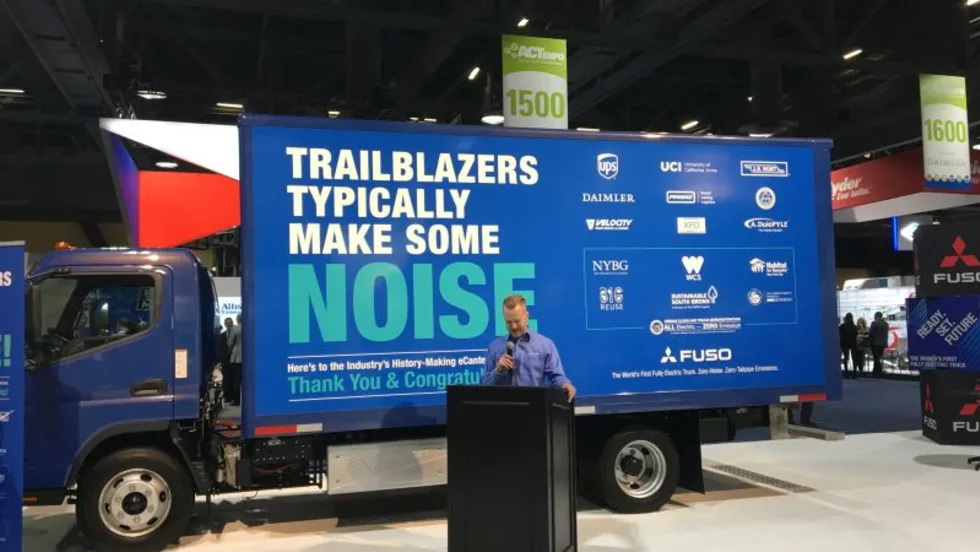
The Future is Electric, But…
With an increasing emphasis on emissions reductions mandates, will fleet operators get caught between clean technologies on their way out and an electric future that hasn’t yet arrived?
Read More →
6 Trend Lines from the 2019 Work Truck Show
From giant leaps in torque and towing to heavy duty truck personalization and chassis cab styling, these trends emerged from this year’s Work Truck Show in Indianapolis.
Read More →
They’re Coming for Your Diesel
In Southern California and other parts of the world, regulators are coalescing to ban, or severely curtail, diesel vehicles. There’s a growing disconnect with the mandates to green the environment and the availability of products and technologies to get us there.
Read More →
Hey Cannabis Companies, Welcome to Fleet
An industry is forming, and it needs help with fleet. In the meantime, the fleet industry should know that these new businesses are navigating extraordinary circumstances, which is forcing them to be better fleet operators pretty darn quick.
Read More →
Takeaways from the Fleet Forward Conference
Most attendees — from established fleets and vendors to new players that were only formed five years ago — didn’t know anyone. But that’s exactly the point.
Read More →
Is it Time to Rethink How Drivers Are Paid?
With the ELD rule affecting miles driven, and drivers’ duties increasingly including more than just driving the vehicle, what can be done to more accurately and fairly reflect a driver’s workday?
Read More →
Whatever Happened to CNG?
While the light-duty market for compressed natural gas vehicles has almost evaporated, new near zero emissions technology and drastic reductions in infrastructure costs have reinvigorated the market for medium- and heavy-duty applications — even for smaller fleets.
Read More →