


Why Is Mileage Up on Rental Cars?
The mileage increase on rental risk units may be the result of a different dynamic than the one that led rental companies to run up mileage during the Recession.

In 2013, the average miles on risk vehicles (rental units bought outright, not part of a manufacturer’s repurchase program) sold at Manheim auctions dipped to a six-year low. This level hasn’t been seen since before the Recession in 2008, when new- and used-vehicle supplies were at historically high levels.
But in the last few months of 2013 and in January 2014, mileage for de-fleeted rental cars has risen. Manheim reported that the average mileage on rental risk units sold at auction in January increased by 10% year-over-year to more than 40,000 miles, the highest level since February 2011.
ADESA’s numbers corroborate the trend, according to Tom Kontos, chief economist for ADESA. “For a while I had been seeing mileage come down for risk units, but in the last few months it’s gone back up,” he says.
Kontos explains that this mileage increase is a different dynamic than the one that led companies to run up mileage during the Recession, which was more a function of lack of capital availability and the lack of availability of replacement units.
“Right now, there may be what I call ‘reverse sticker shock,’” says Kontos, explaining that rental consignors may be bringing vehicles to auction but pulling them out and putting them back into fleet when the desired sale price is not met. “It’s a reluctance to sell at prevailing prices that has led to some rental companies to run up more miles on their cars before finally pulling the trigger.”
The fact that rental consignors aren’t getting the pricing they’re hoping for is another indicator that the two-year party in the used car market is over.
Will mileage on rental units stay high, or is this an aberration?
An informal survey of car rental companies on mileage and hold times provides some glimpse into the market. The survey was sent to Auto Rental News print subscribers via email last week. This snapshot represents franchised and independent car rental companies, which make up the bulk of ARN’s readership, so it is not indicative of the vast majority of the market that is made up of the three largest corporate companies.
Of 109 total responses, survey takers reported for rental risk units an average of 47,000 miles at de-fleeting and an average hold time of 21 months.
When asked if the average mileage on de-fleeted rental vehicles is greater, fewer or about the same compared to two years ago, 45.9% said greater, 12.8% said fewer and 41.3% said the same.
When asked if the company is keeping fleet vehicles shorter, longer or the same compared to two years ago, 44% of respondents said longer, 11% said shorter and 45% said the same.
It seems that car rental companies (in our survey at least) are comfortable with higher miles right now. What might affect this scenario?
The industry is sitting on the largest days’ supply of unsold vehicles since the height of the Recession in 2009. Analysts caution that manufacturers may try to use rental fleets to clean house. If they sweeten the pot with incentives to rental companies, this would produce a quicker fleet churn, resulting in lower mileage at resale.
This hasn’t happened — yet. Rental fleet sales have not kept pace with the sales increases in the overall market. According to our data, sales into rental fleets last year were greater than in 2012, though the average percentage increase year over year shrunk in each month from June to December — mirroring the cool down of new car sales in general. And in January 2014, winter weather kept rental fleet deliveries 16.3% below January 2013.
A higher-mileage rental car isn’t a bad thing in the big financial picture, as it indicates tightly managed supply. The low-mileage rental cars from before the Recession generally indicated too much supply and lower residual values — something we’ve all been trying to avoid.
We’ll keep an eye on these metrics and circle back around mid-year.
More Blog Posts
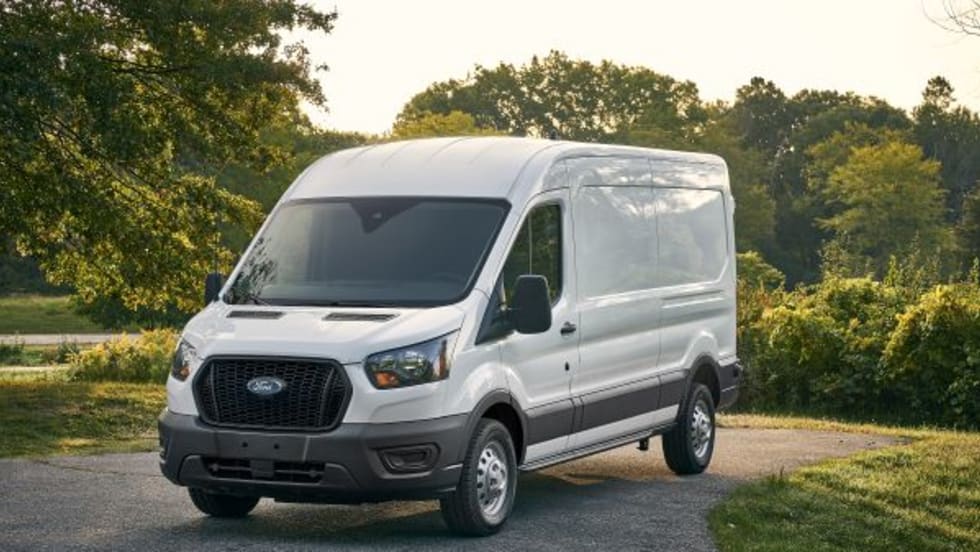
2021 Ford Transit Offers Versatility for Fleets
For the 2021-MY, Ford made ergonomic enhancements for drivers and added an available Parcel Delivery Package. This follows a major refresh in 2020, which added a Crew version, a new standard engine, standard active safety technologies, and embedded telematics to the Transit van family.
Read More →
Recognizing the Other Essential Drivers
Vocational and business fleet drivers don’t get the attention that truckers do. Yet they too are on the front lines, and their jobs often bring them into uncontrolled environments every day.
Read More →
It’s Time to Formulate an ADAS Game Plan
As proliferation of Advanced Driver Assistance Systems (ADAS) increases, skilled labor, equipment, and training costs will increase as well. Fleet operators can’t mitigate these financial burdens by cutting corners on ADAS recalibration and repairs.
Read More →
The Future is Electric, But…
With an increasing emphasis on emissions reductions mandates, will fleet operators get caught between clean technologies on their way out and an electric future that hasn’t yet arrived?
Read More →
6 Trend Lines from the 2019 Work Truck Show
From giant leaps in torque and towing to heavy duty truck personalization and chassis cab styling, these trends emerged from this year’s Work Truck Show in Indianapolis.
Read More →
They’re Coming for Your Diesel
In Southern California and other parts of the world, regulators are coalescing to ban, or severely curtail, diesel vehicles. There’s a growing disconnect with the mandates to green the environment and the availability of products and technologies to get us there.
Read More →
Hey Cannabis Companies, Welcome to Fleet
An industry is forming, and it needs help with fleet. In the meantime, the fleet industry should know that these new businesses are navigating extraordinary circumstances, which is forcing them to be better fleet operators pretty darn quick.
Read More →
Takeaways from the Fleet Forward Conference
Most attendees — from established fleets and vendors to new players that were only formed five years ago — didn’t know anyone. But that’s exactly the point.
Read More →
Is it Time to Rethink How Drivers Are Paid?
With the ELD rule affecting miles driven, and drivers’ duties increasingly including more than just driving the vehicle, what can be done to more accurately and fairly reflect a driver’s workday?
Read More →
Whatever Happened to CNG?
While the light-duty market for compressed natural gas vehicles has almost evaporated, new near zero emissions technology and drastic reductions in infrastructure costs have reinvigorated the market for medium- and heavy-duty applications — even for smaller fleets.
Read More →