


Will VW’s Diesel Scandal Affect Values of Its Gas Models?
While brand damage is too often guided by fickle retail perception, fleet buyers and sellers — those who have been around the block in the industry — have a more tempered view of potential impacts.

Right now, we can only speculate as to how VW will make buyers — both retail and commercial — of diesel products whole. But will the diesel scandal tarnish the brand to the extent that the values of its gasoline models will be affected? This could be a worry, because VW’s gas models won’t be part of any direct compensation equation.
Data is coming in for September’s auto sales, and VW is expected to take a big loss when other manufacturers are realizing huge gains. This is due to the fact that VW halted sales of its diesel models, but its gas models are suffering, too.
Update: After full reporting, Volkswagen AG's U.S. sales rose 6.3% last month, better than expected, driven by a 16% gain in Audi sales.
The media has made much of the public outrage. While brand damage is too often guided by fickle retail perception, fleet buyers and sellers — those who have been around the block in the industry — take a more tempered view of the potential impact.
First, here’s an understanding of VW’s place in the fleet world in the U.S., both commercial and rental: Rental fleets registered 34,109 VW units in calendar year 2013, the last year the Automotive Fleet Fact Book published brand-specific registrations. Audi registered 599 rental vehicles that year. VW’s commercial fleet registrations in 2013 numbered 7,452 units, while Audi registered 5,048. The numbers are not broken down by gasoline or diesel, though rental fleets do not as a general rule rent diesel passenger cars. In 2013, 24% of VW and Audi’s sales were diesel models. If that percentage held for fleet sales, then VW and Audi would have sold 3,000 diesel models to fleets in that year.
For the bigger picture, we might look to other manufacturers’ scandals, ones that were arguably more severe. In the case of General Motors’ ignition switch recall, the impact on values was negligible. And while Toyota’s “unintended acceleration” recall did have a dramatic initial impact on sales, those recalled vehicles depreciated at a slower rate than average for the segment, according to Black Book.
Yet VW’s case is unique. True, the looming recall is “only” an environmental issue, and the vehicles are still drivable. But where safety recalls are generally viewed through the lens of a good-faith effort to rectify an unintentional problem, in VW’s case, the manufacturer willfully polluted the environment. How will that stick in the public’s craw moving forward?
Anil Goyal, vice president, automotive valuation and analytics for Black Book, does not see an appreciable spillover impact to VW’s gas models, though he doesn’t rule out an issue arising “because the company gets so distracted [by the scandal] that it impacts their production and innovation.”
Goyal says VW’s first steps have been in the right direction, including the swift removal of its CEO.
Goyal also makes the point that the general public doesn’t realize that Volkswagen is a production group made up of different marques (including Audi, Porsche, Bentley, Bugatti, Lamborghini, SEAT and Skoda), therefore lessening guilt by association for those brands. In the U.S., this will be especially relevant to Audi, which sold more than 40% of Volkswagen Group’s commercial fleet vehicles in 2013.
Any moat around the Audi brand should come as welcome news to Silvercar, the car rental company that rents one model, the gas-powered Audi A4. A value erosion of that model would have an obvious impact. (Silvercar declined to comment.)
Fleet operator Jeb Lopez, owner of Wheelz Up, an auto parts distribution service, believes there will be an initial knee-jerk reaction to stay away from the brand. Yet Lopez, who knows VW owner’s groups, believes they’ll return. “They'll stick up for the VW brand,” he says. ”After the dust settles, people will still buy VW.”
Those on the car rental side see issues specific to gas models as temporary. “I would say that in the very short term residual values may suffer, but in the long term should be fine,” writes one operator. “We have a few VWs in fleet, and will probably wait for a while before selling.”
One fleet consignor says this week he’ll be watching the performance at auction of his VW gas-powered units. While he believes the diesel scandal will have a long-term effect on diesel passenger vehicle sales — especially with cheap fuel — he thinks the gas-powered models will be OK.
Another large rental consignor is not changing course right now regarding remarketing VW gas vehicles.
The fallout of the VW diesel scandal — and its effect on diesel passenger cars in general — won’t be fully realized for perhaps years. But the spill-off effect on VW gas models should be temporary, according to those buying and selling fleet.
More Blog Posts
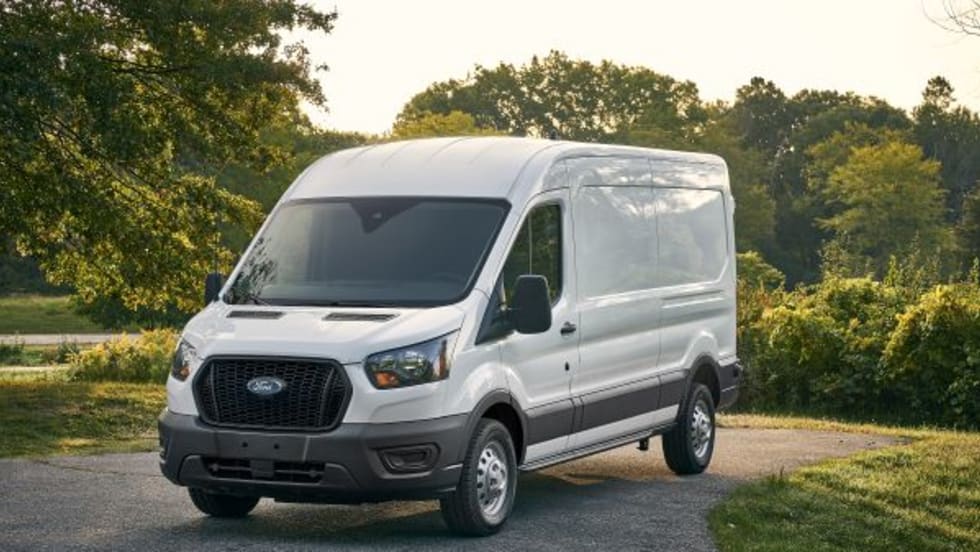
2021 Ford Transit Offers Versatility for Fleets
For the 2021-MY, Ford made ergonomic enhancements for drivers and added an available Parcel Delivery Package. This follows a major refresh in 2020, which added a Crew version, a new standard engine, standard active safety technologies, and embedded telematics to the Transit van family.
Read More →
Recognizing the Other Essential Drivers
Vocational and business fleet drivers don’t get the attention that truckers do. Yet they too are on the front lines, and their jobs often bring them into uncontrolled environments every day.
Read More →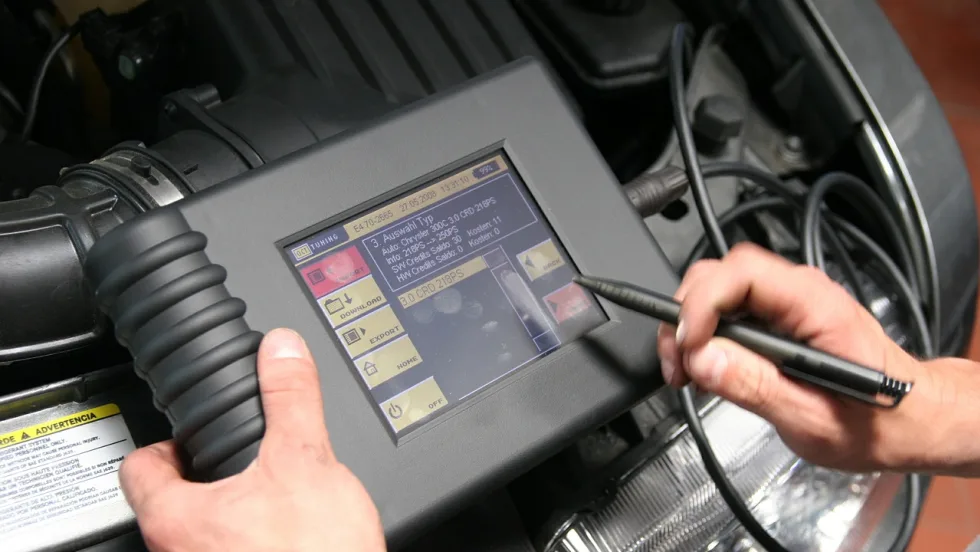
It’s Time to Formulate an ADAS Game Plan
As proliferation of Advanced Driver Assistance Systems (ADAS) increases, skilled labor, equipment, and training costs will increase as well. Fleet operators can’t mitigate these financial burdens by cutting corners on ADAS recalibration and repairs.
Read More →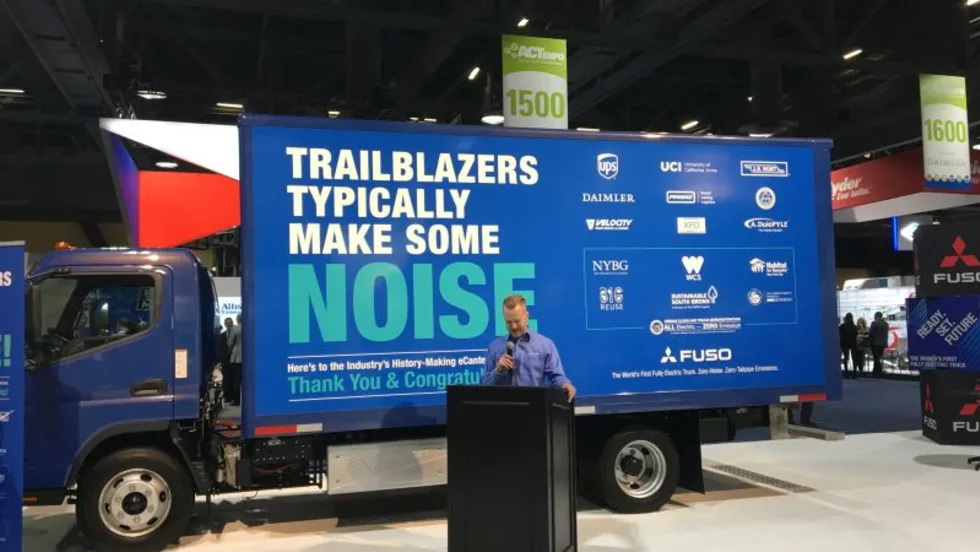
The Future is Electric, But…
With an increasing emphasis on emissions reductions mandates, will fleet operators get caught between clean technologies on their way out and an electric future that hasn’t yet arrived?
Read More →
6 Trend Lines from the 2019 Work Truck Show
From giant leaps in torque and towing to heavy duty truck personalization and chassis cab styling, these trends emerged from this year’s Work Truck Show in Indianapolis.
Read More →
They’re Coming for Your Diesel
In Southern California and other parts of the world, regulators are coalescing to ban, or severely curtail, diesel vehicles. There’s a growing disconnect with the mandates to green the environment and the availability of products and technologies to get us there.
Read More →
Hey Cannabis Companies, Welcome to Fleet
An industry is forming, and it needs help with fleet. In the meantime, the fleet industry should know that these new businesses are navigating extraordinary circumstances, which is forcing them to be better fleet operators pretty darn quick.
Read More →
Takeaways from the Fleet Forward Conference
Most attendees — from established fleets and vendors to new players that were only formed five years ago — didn’t know anyone. But that’s exactly the point.
Read More →
Is it Time to Rethink How Drivers Are Paid?
With the ELD rule affecting miles driven, and drivers’ duties increasingly including more than just driving the vehicle, what can be done to more accurately and fairly reflect a driver’s workday?
Read More →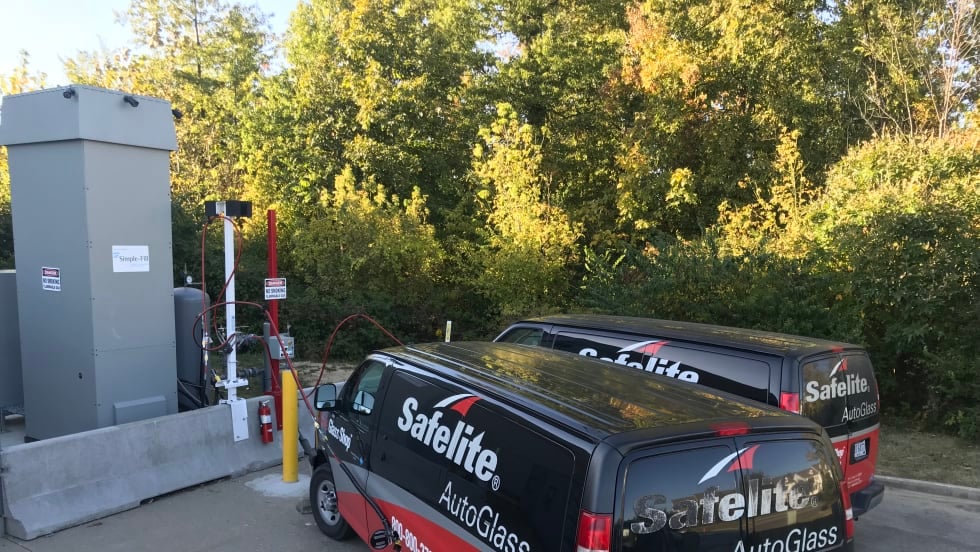
Whatever Happened to CNG?
While the light-duty market for compressed natural gas vehicles has almost evaporated, new near zero emissions technology and drastic reductions in infrastructure costs have reinvigorated the market for medium- and heavy-duty applications — even for smaller fleets.
Read More →