


Would You Pass a Credit Card Fee onto Your Customer?
Merchants now have the ability to do so. But for most, it’s not a good idea.

This past Sunday, small businesses got help in being able to recoup credit card transaction fees. Based on a settlement won last summer by U.S. merchants against Visa and MasterCard (go here to see the original settlement documents), merchants are now able to pass along those fees as a separate surcharge to customers paying by credit card. The fee would vary depending on how much the merchant pays the credit card company, typically 1.5% to 3%, and is capped at 4%.
Small business owners reading this blog know that those credit card fees are a major expense. Is it time to stand up and recoup that money? Heck, for years gas stations have been offering a discount for paying cash, while adding a fee to use a debit card. And then there are the airlines. They started charging for checked luggage, and while customers grumbled, they eventually settled down. So what’s stopping you from assessing a surcharge?
First, the small print looms large in this case: The ruling applies only to credit cards, not debit cards. The law won’t take effect in the 10 states that prohibit pass-through surcharges: California, Colorado, Connecticut, Florida, Kansas, Maine, Massachusetts, New York, Oklahoma and Texas. If you do any business in those states, you can’t pass through the fees anywhere else.
Also, American Express is not a part of the settlement; therefore surcharges cannot be levied on Amex transactions. If you accept Amex, you can’t pass through any surcharge for MasterCard and Visa purchases.
Let’s say you satisfy the conditions. Is it still worth it? It’s really about measuring the customer service backlash, and that varies by industry.
I brought this up to my auto mechanic as he swiped my credit card. As a California business he wouldn’t be able to implement this type of surcharge anyway, but he said he’d consider it, because credit card fees are an onerous expense. He’d just make sure he put a big sign next to his cash register. (Proper notification to the customer is a requirement anyway.) Yes, he said, customers would grumble. While most would pay it, he could always back down if they grumbled too hard.
Eric Hansen of Competitive Lawn Service in suburban Chicago would consider it, and feels it wouldn’t impact customer service. In his industry, he says 70% of his competition in the residential market doesn’t take credit cards at all, so customers view the ability of lawn care companies to take credit cards as an added benefit.
However, “I think the credit card companies will use this as a way to increase fees even more because we can just pass them through to the customers,” Hansen said, who believes that 6% fees could be possible.
Other types of merchants — those in which credit card transactions are a smaller percentage of business — might also get away with it, such as street merchants, equipment repair services and the like.
For car rental companies, however, a credit card surcharge opens up a big can of worms.
First, the small print indicates that this is a non-starter for the major car rental companies and most small ones too. But even if you could, car rental companies and their customers are already swimming in rough seas with fees, surcharges and excise taxes.
Over and above the base car rental rate, renters often get hit with a potpourri of charges such as airport concession fees, tourism taxes, facility taxes, city and county taxes, and general sales taxes. Car renters are unfairly taxed to raise money for sports stadiums, light-rail systems or capital improvements that do not benefit car rental.
The average overall effective tax rate on car rentals (excise taxes plus sales taxes) in 2011 was 13.21%, according to the Global Business Travel Association. Renters in Chicago pay about $13 in taxes — a rate of almost 24% — on a one-day $55 car rental, similar to Boston.
The car rental industry and the American Car Rental Association are effectively waging the war to raise awareness on the tax issue, with some wins. Car rental companies that heap on another fee willingly are just shooting their argument in the foot, while still in a tough economy. They’re diluting their own argument.
Jim Tennant, a consultant to the car rental industry, offers this mature viewpoint: “Paying with plastic is the way of the world and businesses that don’t accept them are out of step with the times,” he said. “Sure, the plastic issuers are getting rich, but they have done a good job of streamlining the payment and collection process and making it easy to qualify renters.”
In other words, suck it up. Go ahead, find ways to ease the burden of credit card transaction fees — but don’t stick it to your customers.
More Blog Posts
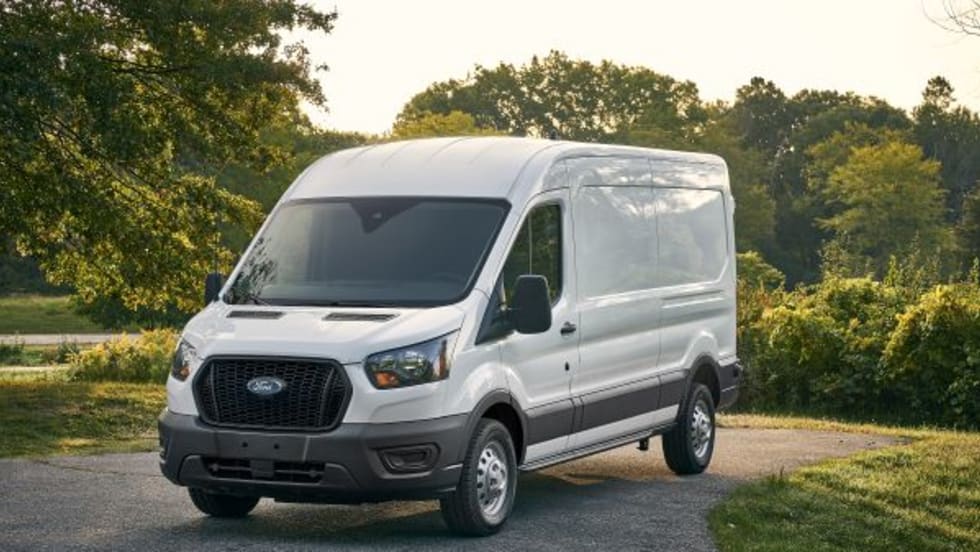
2021 Ford Transit Offers Versatility for Fleets
For the 2021-MY, Ford made ergonomic enhancements for drivers and added an available Parcel Delivery Package. This follows a major refresh in 2020, which added a Crew version, a new standard engine, standard active safety technologies, and embedded telematics to the Transit van family.
Read More →
Recognizing the Other Essential Drivers
Vocational and business fleet drivers don’t get the attention that truckers do. Yet they too are on the front lines, and their jobs often bring them into uncontrolled environments every day.
Read More →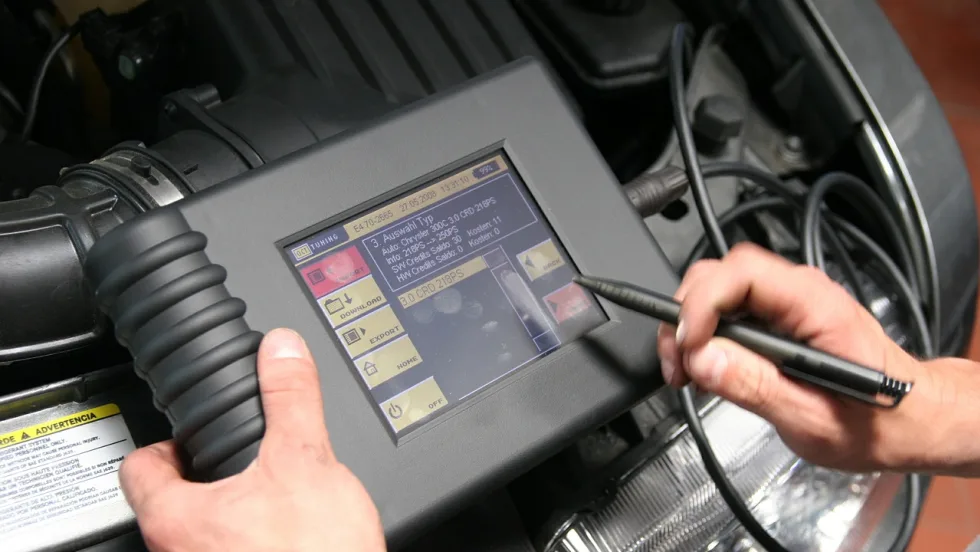
It’s Time to Formulate an ADAS Game Plan
As proliferation of Advanced Driver Assistance Systems (ADAS) increases, skilled labor, equipment, and training costs will increase as well. Fleet operators can’t mitigate these financial burdens by cutting corners on ADAS recalibration and repairs.
Read More →
The Future is Electric, But…
With an increasing emphasis on emissions reductions mandates, will fleet operators get caught between clean technologies on their way out and an electric future that hasn’t yet arrived?
Read More →
6 Trend Lines from the 2019 Work Truck Show
From giant leaps in torque and towing to heavy duty truck personalization and chassis cab styling, these trends emerged from this year’s Work Truck Show in Indianapolis.
Read More →
They’re Coming for Your Diesel
In Southern California and other parts of the world, regulators are coalescing to ban, or severely curtail, diesel vehicles. There’s a growing disconnect with the mandates to green the environment and the availability of products and technologies to get us there.
Read More →
Hey Cannabis Companies, Welcome to Fleet
An industry is forming, and it needs help with fleet. In the meantime, the fleet industry should know that these new businesses are navigating extraordinary circumstances, which is forcing them to be better fleet operators pretty darn quick.
Read More →
Takeaways from the Fleet Forward Conference
Most attendees — from established fleets and vendors to new players that were only formed five years ago — didn’t know anyone. But that’s exactly the point.
Read More →
Is it Time to Rethink How Drivers Are Paid?
With the ELD rule affecting miles driven, and drivers’ duties increasingly including more than just driving the vehicle, what can be done to more accurately and fairly reflect a driver’s workday?
Read More →
Whatever Happened to CNG?
While the light-duty market for compressed natural gas vehicles has almost evaporated, new near zero emissions technology and drastic reductions in infrastructure costs have reinvigorated the market for medium- and heavy-duty applications — even for smaller fleets.
Read More →