


Adjusting to the Time Change [Fleet Video Safety Tip]
A return to standard time generally means more driving during dusk and after-dark hours. Here's advice to help fleet drivers make the transition more smoothly.

![Adjusting to the Time Change [Fleet Video Safety Tip]](https://assets.bobitstudios.com/image/upload/f_auto,q_auto,dpr_auto,c_limit,w_920/Screen-Shot-2016-10-29-at-1-40-25-PM_1776037200877_xkq3fo.jpg)
Daylight saving time ends at 2 a.m. on Sunday, Nov. 6, so now is a good time to remind fleet drivers to take extra precautions to adjust to the change.
The end of daylight saving time generally means more driving hours in dusk and dark conditions, when visibility is a greater challenge. Additionally, more driving after dark has the potential to raise the risk for drowsy driving.
Here are some tips and reminders — culled from AAA, Esurance, and the National Safety Council — to help drivers make the transition back to standard time more smoothly:
Slow down to compensate for limited visibility and reduced stopping time.
Keep in mind that pedestrians of all ages, joggers, and bicyclists will be less visible during dusk and after-dark hours.
Remember to turn on headlights during dusk or semi-dark hours.
Make certain your vehicle’s headlights are working properly and aimed correctly.
Dim your dashboard to improve your vision of the road during nighttime driving.
To reduce daytime glare, particularly during morning and late-afternoon driving, wear high-quality sunglasses and adjust your sun visors as needed.
To counter glare from headlights during night driving, use the night setting on the rearview mirror and look away from oncoming lights.
If you wear glasses, make sure they’re anti-reflective.
Clean the windshield regularly to eliminate streaks. Also, make sure the taillights, brake lights, and signal lights are kept clean.
Use your low beams and high beams correctly. Use the low beams when you need to see about 250 feet in front of you. Use the high beams when your visibility range is 350 to 500 feet. Always dim your high beams when following another driver or approaching an oncoming vehicle. (To view a video about the subject, click on the photo or link below the headline.)
Keep an eye out for animals. Deer and other animals are most active during nighttime hours. Moreover, deer-related crashes spike in November.
Get plenty of rest — seven to nine hours of sleep nightly.
Originally posted on Automotive Fleet
More Safety
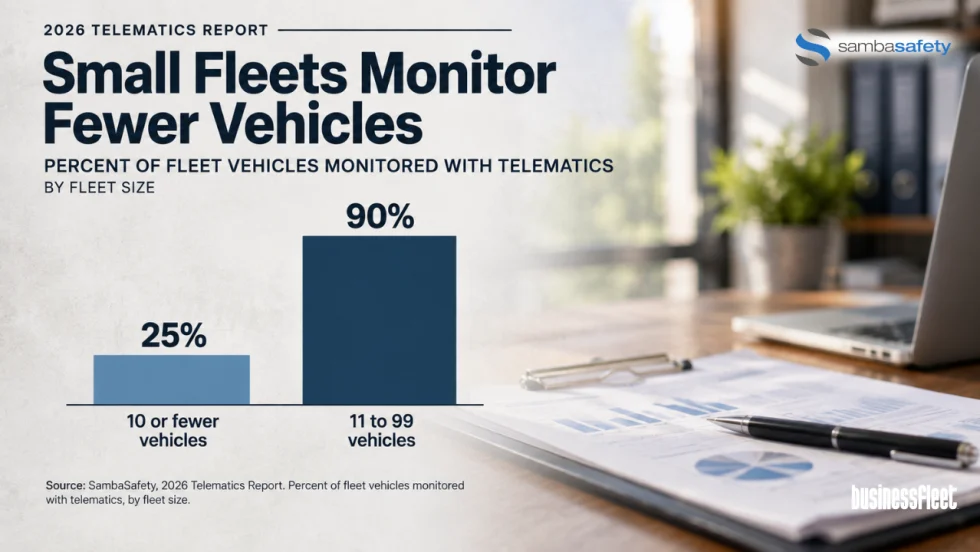
Small Fleets Lag in Telematics Coverage as Industry Moves Beyond Adoption
SambaSafety’s 2026 Telematics Report finds fleets with 10 or fewer vehicles monitor a much smaller share of their vehicles than larger operations, as the industry shifts its focus from collecting data to using it.
Read More →
Back-to-School Traffic Is Not the Risk Fleets Think It Is
Back-to-school traffic does not always mean more crashes. New Empiric Earth data shows why fleets should focus on when and where risk changes.
Read More →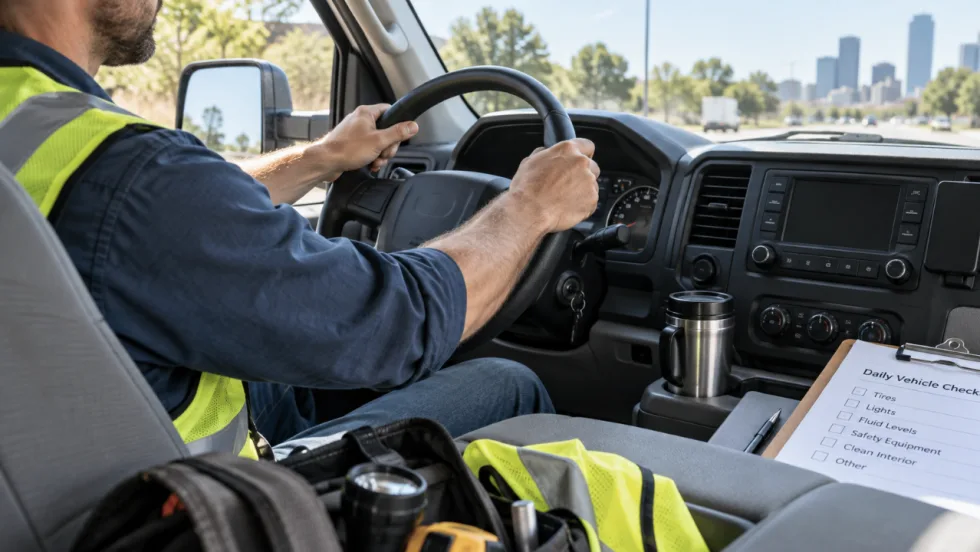
Small Fleet, Big Exposure: How to Reduce Workers’ Comp Risks
For small fleets, one crash can trigger far more than vehicle damage. Here’s how stronger driver safety policies, training, maintenance, and technology can help reduce workers’ comp exposure.
Read More →
Who Makes the Call When Winter Weather Gets Dangerous?
Winter weather can quickly change a small fleet’s plans. Knowing when to reroute, delay, or stop can matter just as much as preparing the vehicles themselves.
Read More →
API Issues Refueling Safety Guidelines
The American Petroleum Institute offers a list of safe vehicle refueling guidelines, including ways to avoid potential problems with static electricity discharges in fall, winter, and early spring.
Read More →
Winter Fleet Prep: Expert Tips to Keep Vehicles Running Smoothly
Cold weather can expose weak batteries, tires, fuel systems, and maintenance gaps fast. Use this winter fleet checklist to prepare trucks and drivers before temperatures drop.
Read More →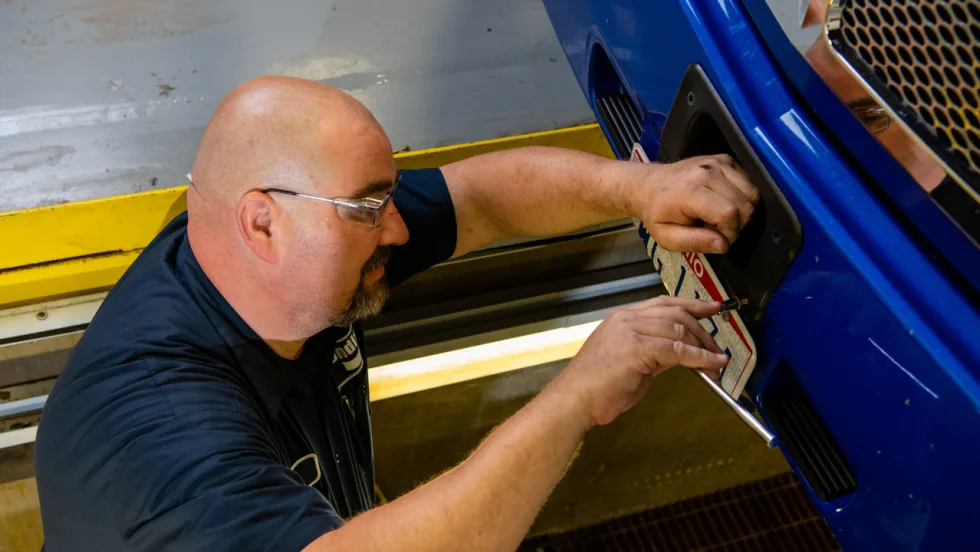
8 ADAS Maintenance Tips for Small Business Fleets From Bendix
A dirty camera, bad alignment, or one loose connection could quietly knock your fleet’s ADAS offline. Here’s what Bendix says to check.
Read More →
Developing Budget-Friendly Driver Safety Programs
From driver training and safety meetings to one-on-one coaching and incentive programs, several small fleets share how they have developed a safety culture with their drivers using low- to no-cost resources.
Read More →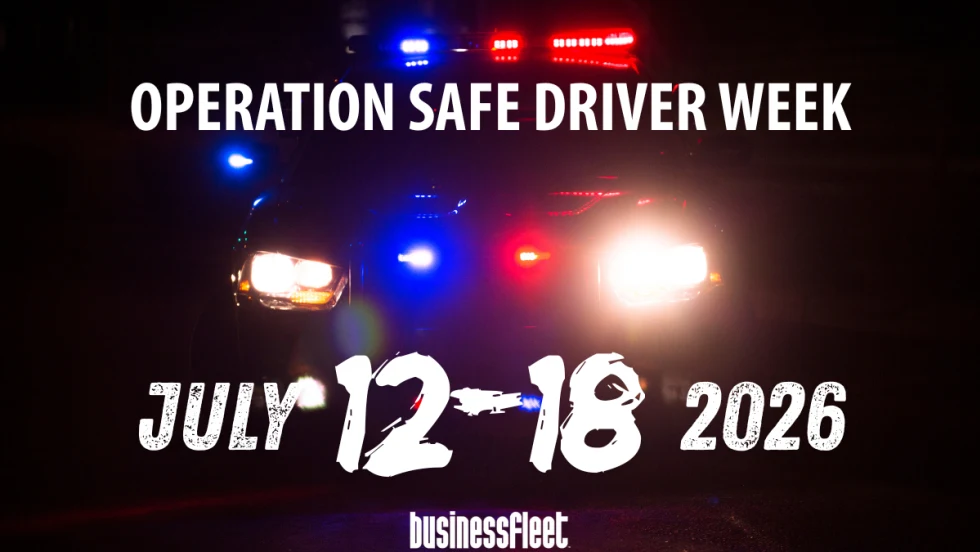
A 20-Minute Safety Check for Small Fleets Before Operation Safe Driver Week
No safety department? No problem. Here's a practical checklist small fleet managers can use before Operation Safe Driver Week begins.
Read More →
Why Small Fleets Keep Getting Tripped Up by ELD Compliance
Roadcheck revealed a hard truth: most ELD violations aren't intentional. They're caused by small mistakes that can cost fleets time, money, and trust.
Read More →