


Farmers Insurance Expands Red Cross Support With Disaster Relief Investment
Farmers Insurance joined the Red Cross Disaster Responder Program with a $250,000 contribution supporting disaster recovery efforts nationwide.

Farmers Insurance expanded its support for disaster relief efforts through a new partnership with the American Red Cross Disaster Responder Program.
Business Fleet
Farmers Insurance is expanding its disaster relief efforts through a new commitment to the American Red Cross Disaster Responder Program, contributing $250,000 to support disaster response and recovery services nationwide.
The contribution, effective Jan. 1, 2026, will help fund immediate financial assistance for people impacted by disasters, including support for urgent needs such as transportation and clothing, as well as longer-term recovery expenses like home repairs.
Support for Communities After Disaster
Farmers Insurance has supported the Red Cross for more than 30 years through financial contributions, volunteer work, and employee blood drives. According to the organizations, Farmers has donated millions of dollars and thousands of volunteer hours during that time.
“At Farmers, we take great pride in supporting the Red Cross through disaster relief, blood drives, and volunteer service,” said Courtney Vandermause, director of corporate citizenship for Farmers Insurance. “Our investment in the Red Cross Disaster Responder Program reinforces our shared commitment to helping people before, during, and after disasters.”
The Red Cross said it now responds to more than 60,000 disasters annually across the U.S., with severe weather events continuing to increase demand for support services.
Financial Assistance Continues to Grow
The nonprofit reported that it provided nearly 60% more financial assistance last year than in the previous five years combined. The organization said those funds are increasingly being used to help disaster survivors both immediately after an event and throughout the recovery process.
“Increasing severe weather events mean that families are relying on the Red Cross now more than ever,” said Anne McKeough, chief development officer at the American Red Cross.
In addition to disaster relief funding, Farmers Insurance employees participate in company-hosted blood drives that support the Red Cross's blood collection efforts nationwide.
More Safety

FMCSA Revokes 130+ ELDs: What Fleet Owners Need to Know
After FMCSA removed more than 130 ELDs from its registry, fleet owners need to check their devices, understand exemptions, and prepare for compliance deadlines.
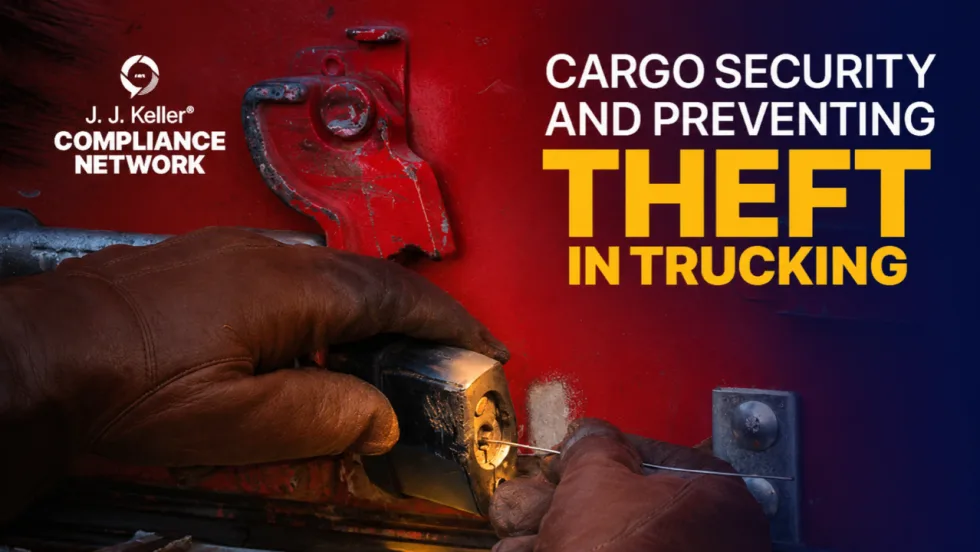
Holiday Closures Can Leave Small Business Fleet Vehicles Vulnerable to Theft
Thanksgiving closures can leave business vehicles and cargo unattended. J. J. Keller shares practical steps to help fleets reduce theft risks.

Clocks Fall Back Nov. 1. Is Your Fleet Ready for Earlier Darkness?
Clocks fall back Nov. 1. Help your fleet prepare for earlier darkness with quick checks for driver visibility, schedules, fatigue, and seasonal road hazards.
Tips for Driving Safely on Halloween Night
This video features a reminder from the Connecticut Department of Transportation (DOT) and the Connecticut Police Chiefs Association, urging drivers to prioritize safety this Halloween.

Mercedes Benz Tests CLA Occupant and Battery Protection in Side Impact Crash
Two CLA sedans traveling at 35 mph were used in a Mercedes-Benz crash test examining occupant protection and electric vehicle battery safety.
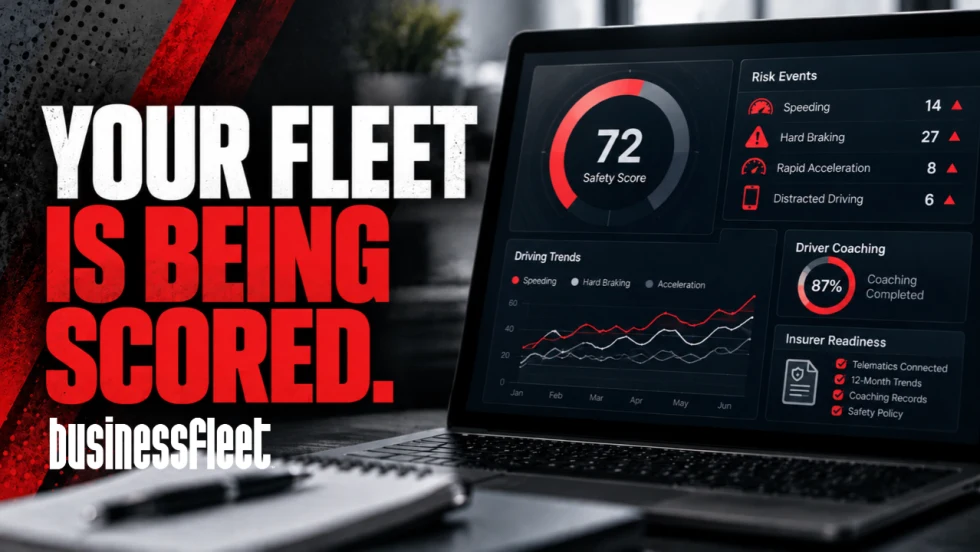
How Technology Can Help Fleet Owners Improve Insurability
Your fleet's telematics data could be the difference between getting insurance coverage and facing higher premiums or non-renewal. Here's what insurers are looking for and how fleets can use that data to make a stronger case at renewal.

Simple Tire Checks That Help Keep Your Business Fleet Moving
A survey found that nearly one in every 10 passenger vehicles has at least one bald tire. What's more, 27% -- more than one in four -- of vehicles are driven with one or more severely under-inflated tires.
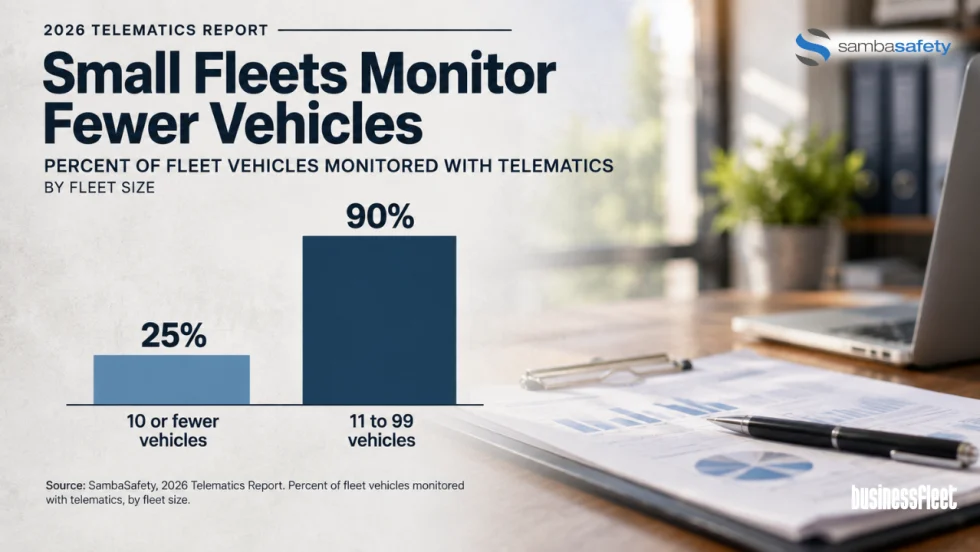
Small Fleets Lag in Telematics Coverage as Industry Moves Beyond Adoption
SambaSafety’s 2026 Telematics Report finds fleets with 10 or fewer vehicles monitor a much smaller share of their vehicles than larger operations, as the industry shifts its focus from collecting data to using it.

Back-to-School Traffic Is Not the Risk Fleets Think It Is
Back-to-school traffic does not always mean more crashes. New Empiric Earth data shows why fleets should focus on when and where risk changes.
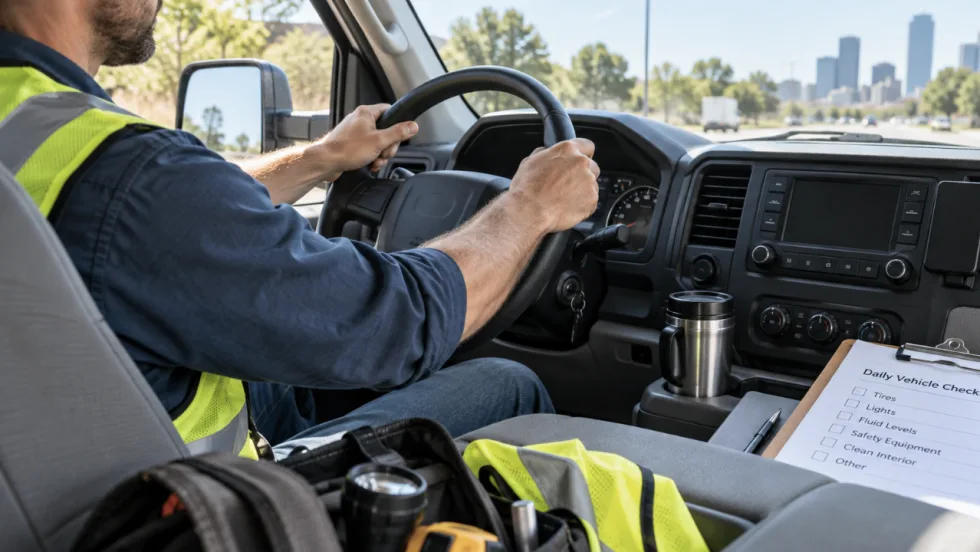
Small Fleet, Big Exposure: How to Reduce Workers’ Comp Risks
For small fleets, one crash can trigger far more than vehicle damage. Here’s how stronger driver safety policies, training, maintenance, and technology can help reduce workers’ comp exposure.