


How Federal Disaster Declarations Work and Why Fleet Leaders Need to Know
How federal disaster declarations work and why fleet leaders should care about funding, reimbursements, infrastructure repairs, and recovery timelines.

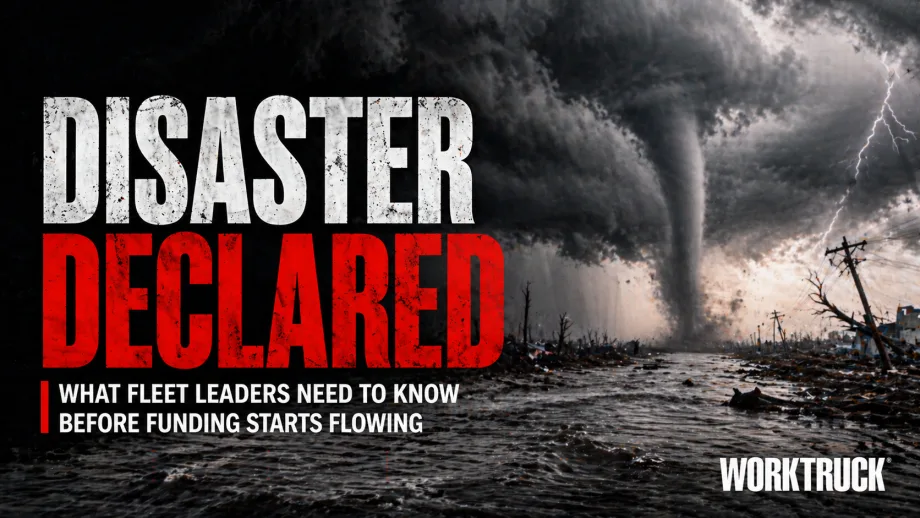
Disaster declarations don’t start in Washington. They begin with damage on the ground, and what gets documented in these moments shapes everything that follows.
Work Truck
- Fleet leaders need to understand federal disaster declarations as they impact funding and reimbursements crucial for operational recovery.
- Insight into disaster declarations helps fleet managers plan for infrastructure repairs and prioritize resources efficiently.
- Awareness of recovery timelines associated with federal disaster declarations aids in strategic planning and minimizing downtime.
*Summarized by AI
When a hurricane hits, wildfires spread, or flooding wipes out infrastructure, we often hear that “a federal disaster has been declared.” But what actually happens before those words are announced?
If you manage trucks, buses, public works vehicles, utility fleets, or private transportation operations, understanding how a disaster is declared isn’t just interesting. It directly affects funding, recovery timelines, cost share requirements, infrastructure repair, and even driver support programs.
Here’s how the process works, based on FEMA’s guidance under the Stafford Act, and where fleet leaders fit into it.
It Starts at the State or Tribal Level
All emergency and major disaster declarations are made at the discretion of the President of the United States. But the process doesn’t begin in Washington. It starts locally.
Under the Robert T. Stafford Disaster Relief and Emergency Assistance Act, a Governor must request a declaration. Federally recognized tribal governments can also request one independently. Before that request is made, the state or tribe must determine that the situation is beyond their ability to manage with their own resources.
For fleet leaders, this is the first signal that things may shift from local response to federally supported recovery. It is also your cue to start documenting everything, even if a declaration has not yet been requested.
The Preliminary Damage Assessment
If it looks like federal help may be needed, the state or tribal government requests a joint Preliminary Damage Assessment, or PDA. This is where things get very real. Federal, state or tribal, and local officials assess:
- The extent of the disaster
- Impact on individuals
- Damage to public infrastructure like roads, bridges, water systems, and buildings
- The types of federal assistance that may be required
For transportation and fleet operations, this is the moment your world shows up on paper. Damage to:
- Highways and bridges
- Transit facilities
- Public works garages
- Fleet maintenance facilities
- Emergency response vehicles
…may be documented and evaluated. If it’s not captured here, it may not be funded later.
Make sure your agency or organization is feeding accurate, detailed damage information to local or state emergency management teams during this phase.
Two Types of Declarations
There are two primary types of declarations under the Stafford Act. Each comes with very different implications for fleet and infrastructure recovery.
Emergency Declarations
Emergency declarations support immediate protective actions.
Think debris removal, life-saving measures, and emergency response operations.
Key characteristics:
- Focused on protecting lives and property
- Assistance generally limited to debris removal and emergency protective measures
- Federal assistance typically capped at $5 million
- Usually funded at 75 percent federal and 25 percent non-federal cost share
For fleet operators, this can mean support or reimbursement for:
- Emergency debris clearing using municipal or contracted fleets
- Securing facilities and staging equipment
- Temporary emergency transport or service operations
What it does not cover: permanent infrastructure repairs.
Major Disaster Declarations
A major disaster declaration is where long-term recovery really opens up.
This applies to large-scale events like hurricanes, floods, wildfires, tornadoes, and severe winter storms.
A major disaster declaration can unlock:
- Public Assistance for emergency work and permanent repairs
- Individual Assistance for affected residents
- Hazard Mitigation Assistance to reduce future risk
For fleet and transportation leaders, this is where rebuilding funding becomes available.
Public Assistance categories that directly affect fleet operations include:
- Roads and bridges
- Water control facilities
- Buildings and equipment
- Utilities
- Parks and public facilities
That includes not just infrastructure, but often the facilities and equipment that keep fleets running.
What FEMA Evaluates Before Recommending Approval
FEMA doesn’t just react to headlines. It evaluates specific criteria before making a recommendation to the President. For Public Assistance, key factors include:
Estimated Cost of Assistance
FEMA compares damage costs to population using a per capita indicator that is updated annually.
Localized Impacts
Even if statewide damage is below thresholds, concentrated damage in a specific area can qualify, especially when critical infrastructure is involved.
For fleet-heavy communities, that includes:
- Major road corridors
- Transit systems
- Fleet garages and maintenance hubs
- Public works infrastructure
Insurance Coverage
If losses should have been covered by insurance, FEMA reduces eligible assistance.
Hazard Mitigation
Communities that invested in mitigation may show reduced damage, which FEMA takes into account.
Recent Disaster History
Back-to-back disasters can influence eligibility if state resources are already stretched.
Individual Assistance Factors
When FEMA evaluates assistance for individuals, it looks at:
- Uninsured home and property losses
- Disaster-related unemployment
- Infrastructure disruption
- Casualties
- Impacts to vulnerable populations
Transportation plays a quiet but important role here. If people cannot get to work because roads are damaged or transit is offline, that contributes to economic impact and unemployment, which feeds into the broader assistance picture.
Timing Matters
A Governor or Tribal Chief Executive must submit a request within 30 days of the incident. Appeals are possible if a request is denied. Additional counties or assistance programs can also be added after the initial declaration.
For fleet leaders, this is important. The first declaration is not always the final one. If your area or type of damage is not included initially, it may still be added later, but only if it is properly documented.
In particularly severe disasters, the President may increase the federal cost share for Public Assistance up to 90%. That shift can dramatically change the financial burden on public agencies and transportation departments trying to rebuild.
It can also affect how quickly projects move from planning to execution.
Where Fleet Leaders Can Lean In
Understanding the declaration process is useful. Acting on it is where the value shows up.
Fleet leaders can:
- Start documenting damage immediately, even before a declaration is requested
- Coordinate early with local and state emergency management agencies
- Track when debris removal and emergency protective measures become eligible
- Maintain detailed records of labor, equipment usage, and contracts
- Advocate for the inclusion of fleet facilities and transportation infrastructure in damage assessments
- Review insurance coverage ahead of disasters to avoid gaps in eligibility
Driving Thoughts
Disaster declarations are not automatic. They follow a defined process with measurable thresholds, formal assessments, and specific requests. For fleet and transportation leaders, that process directly affects how and when recovery funding becomes available.
If your fleet supports emergency response, public works, utilities, transit, school transportation, or commercial delivery, knowing how this works puts you in a stronger position to act early, document clearly, and recover faster.
Because when infrastructure is down and operations are disrupted, recovery doesn’t start with funding. It starts with what gets documented, requested, and approved in those first critical steps. Long before the headline says a disaster has been declared.
Free Download: Disaster Energy Readiness Checklist: Fuel, Power, and Planning for Fleet Operations
Get a printable checklist designed to help you stay prepared and recover faster from a disaster. Fill out the form and download today!
Quick Answers
A federal disaster declaration is an official statement by the government recognizing that a disaster has caused significant damage, warranting federal assistance and resources to aid recovery efforts.
*Summarized by AI
Originally posted on Work Truck Online
More Safety
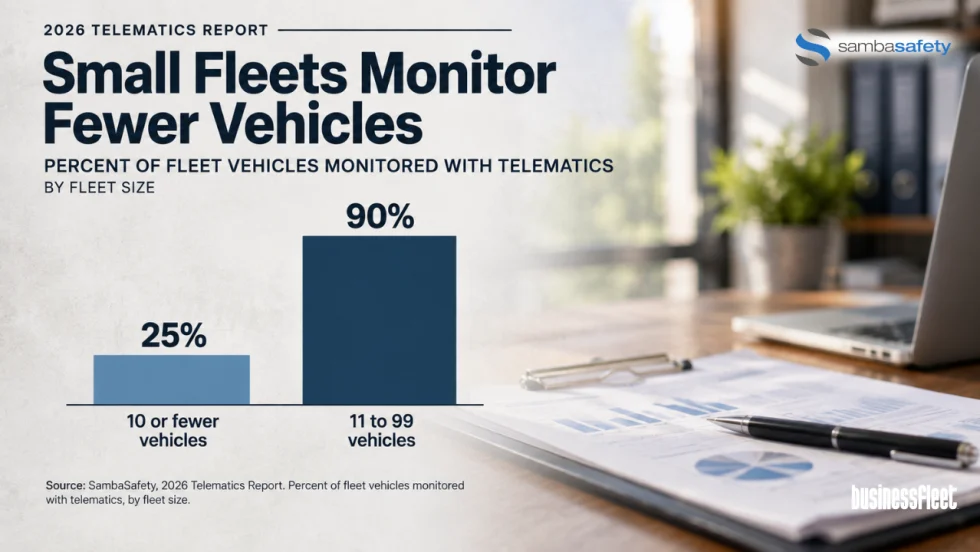
Small Fleets Lag in Telematics Coverage as Industry Moves Beyond Adoption
SambaSafety’s 2026 Telematics Report finds fleets with 10 or fewer vehicles monitor a much smaller share of their vehicles than larger operations, as the industry shifts its focus from collecting data to using it.
Read More →
Back-to-School Traffic Is Not the Risk Fleets Think It Is
Back-to-school traffic does not always mean more crashes. New Empiric Earth data shows why fleets should focus on when and where risk changes.
Read More →
Small Fleet, Big Exposure: How to Reduce Workers’ Comp Risks
For small fleets, one crash can trigger far more than vehicle damage. Here’s how stronger driver safety policies, training, maintenance, and technology can help reduce workers’ comp exposure.
Read More →
Who Makes the Call When Winter Weather Gets Dangerous?
Winter weather can quickly change a small fleet’s plans. Knowing when to reroute, delay, or stop can matter just as much as preparing the vehicles themselves.
Read More →
API Issues Refueling Safety Guidelines
The American Petroleum Institute offers a list of safe vehicle refueling guidelines, including ways to avoid potential problems with static electricity discharges in fall, winter, and early spring.
Read More →
Winter Fleet Prep: Expert Tips to Keep Vehicles Running Smoothly
Cold weather can expose weak batteries, tires, fuel systems, and maintenance gaps fast. Use this winter fleet checklist to prepare trucks and drivers before temperatures drop.
Read More →
8 ADAS Maintenance Tips for Small Business Fleets From Bendix
A dirty camera, bad alignment, or one loose connection could quietly knock your fleet’s ADAS offline. Here’s what Bendix says to check.
Read More →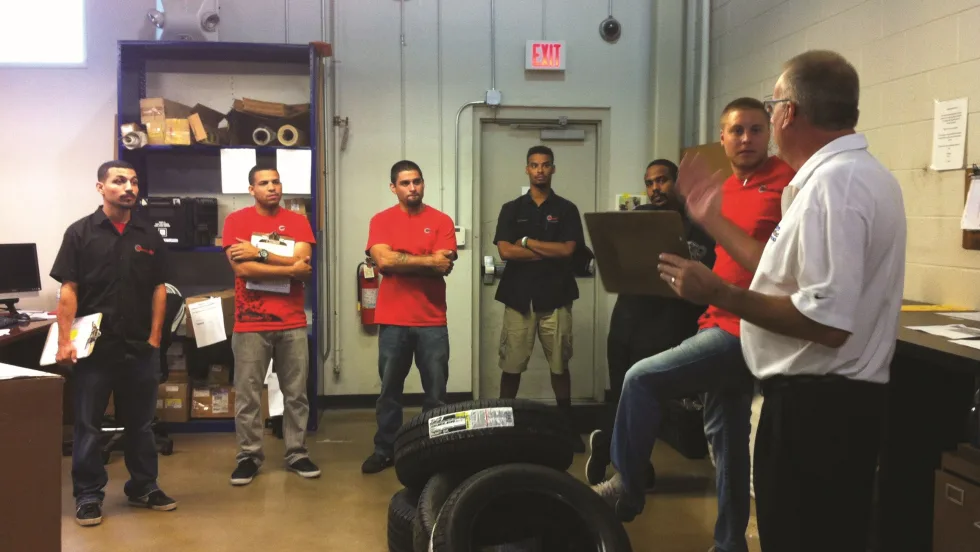
Developing Budget-Friendly Driver Safety Programs
From driver training and safety meetings to one-on-one coaching and incentive programs, several small fleets share how they have developed a safety culture with their drivers using low- to no-cost resources.
Read More →
A 20-Minute Safety Check for Small Fleets Before Operation Safe Driver Week
No safety department? No problem. Here's a practical checklist small fleet managers can use before Operation Safe Driver Week begins.
Read More →
Why Small Fleets Keep Getting Tripped Up by ELD Compliance
Roadcheck revealed a hard truth: most ELD violations aren't intentional. They're caused by small mistakes that can cost fleets time, money, and trust.
Read More →