


Average State & National Gasoline Prices Up Slightly
Despite the weekly increase, gas prices remain cheap both compared to last month and last year.


Despite the weekly increase, gas prices remain cheap both compared to last month and last year.
Graphic: AAA
The national gas price average went up 1 cent on the week to $2.12, as motorists are now paying slightly more to fill up in nearly 30 states, with the vast majority paying just a few pennies more, according to AAA.
“Following a jump in demand, we’ve seen a number of state gas price averages increase on the week. However, the majority of these increases were just a few pennies,” said Jeanette Casselano McGee, AAA spokesperson. “With many states seeing rising COVID-19 case numbers and a number of officials warning against holiday travel, demand is likely to see a dip in coming weeks.”
On the week, South Carolina saw the largest increase, up 8 cents, followed by five other states who each had a 6 cent increase: Michigan, New Mexico, Indiana, Delaware, and Minnesota.
Despite the weekly increase, gas prices remain cheap both compared to last month (down 5 cents) and last year (down 48 cents).
The nation’s top 10 largest weekly changes were Ohio (down 9 cents), South Carolina (up 8 cents), Michigan (up 6 cents), New Mexico (up 6 cents), Delaware (up 6 cents), Minnesota (up 6 cents), Indiana (down 6 cents), Kentucky (up 5 cents), Georgia (up 5 cents) and Washington, D.C. (up 4 cents).
Meanwhile, the nation’s least expensive markets are Missouri ($1.76), Mississippi ($1.80), Oklahoma ($1.80), Texas ($1.80), Arkansas ($1.82), Louisiana ($1.84), Alabama ($1.86), Tennessee ($1.86), Kansas ($1.87) and South Carolina ($1.89).
Originally posted on Automotive Fleet
More Fuel
NHTSA Finalizes Rule Resetting Fuel Economy Standards: What Small Fleets Should Know
Will your next work vehicle cost less to buy but more to fuel? NHTSA's new fuel economy rule puts both numbers in play.
Read More →
WEX Brings Standard Fleet's Connected Vehicle Platform to Fleet Customers
This week’s product launch with Standard Fleet’s connected vehicle platform reflects WEX Venture Capital's strategy of turning startup innovation into customer solutions. Standard Fleet is now available to WEX fleet customers.
Read More →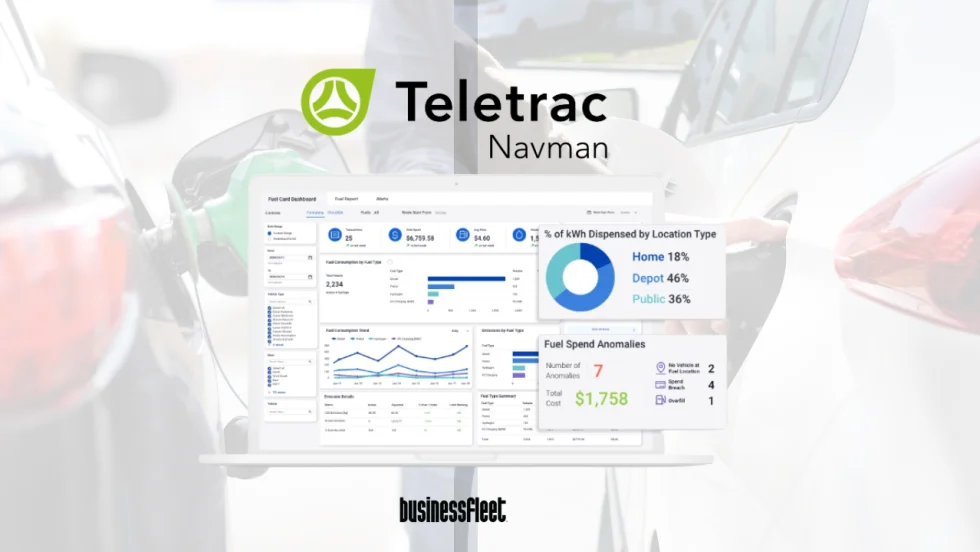
Teletrac Navman Adds Mixed-Energy Tracking to TN360
Energy Hub combines fuel card data, EV charging activity, reimbursements, and vehicle energy use in one dashboard for fleets operating gasoline, hybrid, and electric vehicles.
Read More →
Fillip Fleet Brings Digital Fuel Management to Small Business Fleets in the U.S.
Fillip Fleet launches in the U.S., offering small business fleets digital fuel cards, spend controls, and fast onboarding without vehicle minimums.
Read More →
How Drivers Can Improve Fuel Efficiency
By knowing and practicing some driving and maintenance tips, drivers can increase their trucks’ gas mileage, boost their vehicles’ overall performance, and save money for the company.
Read More →
Choosing a Fuel Card for Your Fleet: 6 Features to Consider
Fuel cards are a useful tool for fleets to stay organized and improve driver efficiency. Try out these tips for choosing the right card for your fleet!
Read More →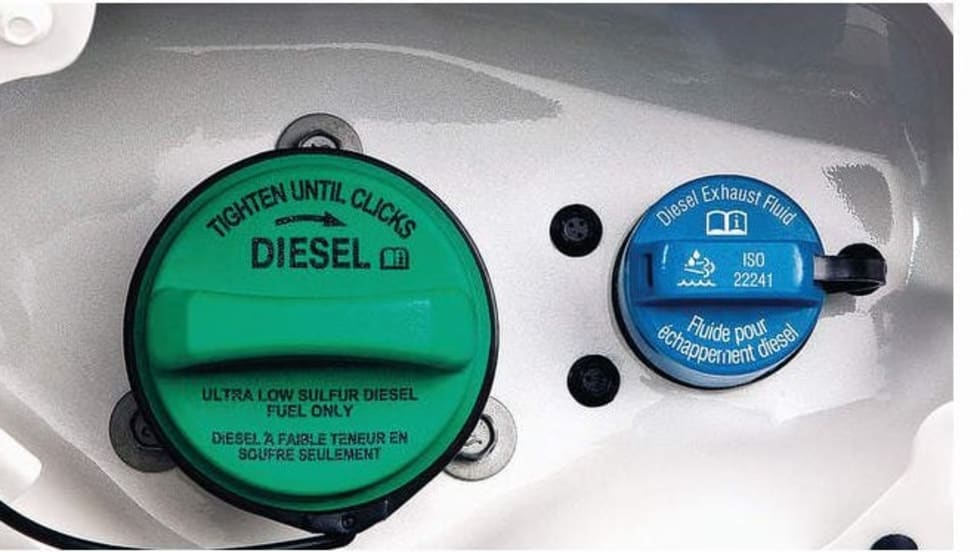
How to Purchase, Store & Handle Diesel Exhaust Fluid
Diesel engine vehicles can be damaged by using low quality diesel exhaust fluid (DEF). Repairs can be very expensive with long downtime possible, and damage could void the manufacturer’s warranty.
Read More →
Navigating the Rise in IRS Mileage Reimbursement for Fleet Management
Budgeting for fleet vehicles is more pronounced than ever. Here is how to navigate IRS mileage reimbursement for fleet management.
Read More →
2023 Gas & Diesel Updates for October
With how often fuel costs change based on any number of factors, how much has it changed within one month?
Read More →
ICE Technology Isn’t Dead — Look for These Gains Ahead
A new report provides a summary of comprehensive research focused on improving the internal combustion engine efficiency and emissions.
Read More →