


Crashes Account for 41% of Work-Related Accidental Deaths
Overall, the leading cause of accidental death in the U.S. is poisonings -- including drug overdoses -- according to a new report from the National Safety Council.

Transportation-related accidents accounted for 41% of work-related fatalities in the U.S. in 2015, according to the National Safety Council's latest report.
Photo: Bobit
Transportation-related accidents accounted for 41% of work-related fatalities in the U.S. in 2015, according to a new report from the National Safety Council. That same year, an estimated 478,000 injuries in the workplace likely involved fatigue or sleep problems.
The findings are included in the National Safety Council’s 2017 edition of Injury Facts, an annual publication that analyzes the most recent available data on preventable injuries and deaths in the U.S.
Overall, preventable deaths in the U.S. reached an all-time high in 2015, researchers concluded. More than 146,500 Americans died from such causes as drug overdoses, motor vehicle crashes, falls, choking and drowning.
“Approximately 58,000 fewer people would have died in 2015 if the preventable death rate had kept pace with the improving overall fatality rate,” the National Safety Council said in a summary of the report. Preventable incidents as a cause of death trailed only heart disease, cancer and chronic lower respiratory disease. Accidental deaths outpaced fatalities caused by strokes, diabetes and Alzheimer’s disease.
Poisonings were the leading cause of accidental deaths in 24 states and Washington, D.C. These poisonings included prescription opioid overdoses. The drug overdose epidemic has directly driven the overall rise in preventable deaths, the National Safety Council said. An American’s lifetime odds of dying from a poisoning are one in 96. The lifetime odds of dying in a motor vehicle crash are one in 114.
The annual societal cost of preventable injuries is $886.4 billion — the equivalent of 52 cents for every dollar an American spends on food, according to researchers. The National Safety Council hopes the data in the 2017 edition of Injury Facts will help future prevention efforts.
“Good data help us make good decisions, and Injury Facts gives us a roadmap for eliminating preventable deaths in our lifetime,” said Ken Kolosh, statistics manager and Injury Facts author at the National Safety Council. “We hope government officials, business leaders, safety professionals and anyone working to make the world a safer place will use Injury Facts to shape decision making and inform injury prevention efforts.”
Originally posted on Automotive Fleet
More Safety
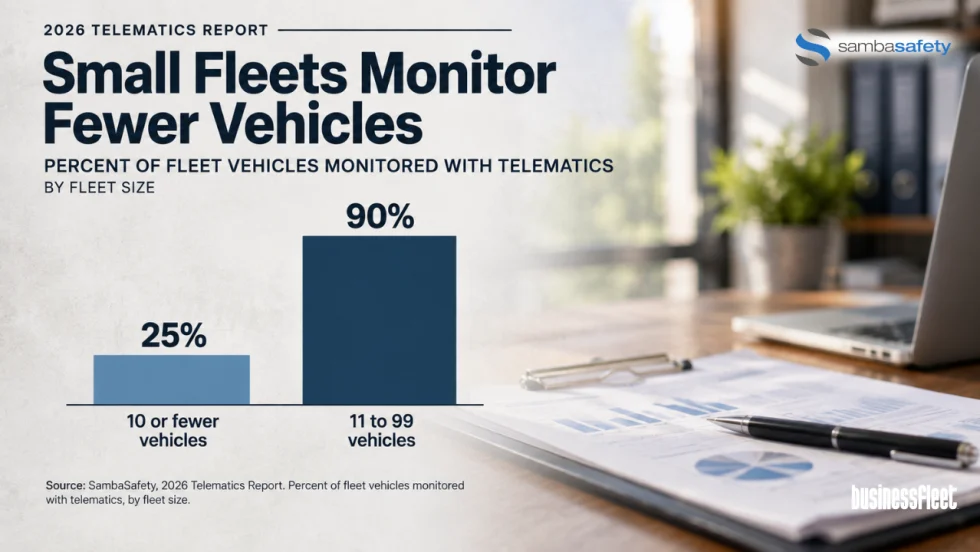
Small Fleets Lag in Telematics Coverage as Industry Moves Beyond Adoption
SambaSafety’s 2026 Telematics Report finds fleets with 10 or fewer vehicles monitor a much smaller share of their vehicles than larger operations, as the industry shifts its focus from collecting data to using it.
Read More →
Back-to-School Traffic Is Not the Risk Fleets Think It Is
Back-to-school traffic does not always mean more crashes. New Empiric Earth data shows why fleets should focus on when and where risk changes.
Read More →
Small Fleet, Big Exposure: How to Reduce Workers’ Comp Risks
For small fleets, one crash can trigger far more than vehicle damage. Here’s how stronger driver safety policies, training, maintenance, and technology can help reduce workers’ comp exposure.
Read More →
Who Makes the Call When Winter Weather Gets Dangerous?
Winter weather can quickly change a small fleet’s plans. Knowing when to reroute, delay, or stop can matter just as much as preparing the vehicles themselves.
Read More →
API Issues Refueling Safety Guidelines
The American Petroleum Institute offers a list of safe vehicle refueling guidelines, including ways to avoid potential problems with static electricity discharges in fall, winter, and early spring.
Read More →
Winter Fleet Prep: Expert Tips to Keep Vehicles Running Smoothly
Cold weather can expose weak batteries, tires, fuel systems, and maintenance gaps fast. Use this winter fleet checklist to prepare trucks and drivers before temperatures drop.
Read More →
8 ADAS Maintenance Tips for Small Business Fleets From Bendix
A dirty camera, bad alignment, or one loose connection could quietly knock your fleet’s ADAS offline. Here’s what Bendix says to check.
Read More →
Developing Budget-Friendly Driver Safety Programs
From driver training and safety meetings to one-on-one coaching and incentive programs, several small fleets share how they have developed a safety culture with their drivers using low- to no-cost resources.
Read More →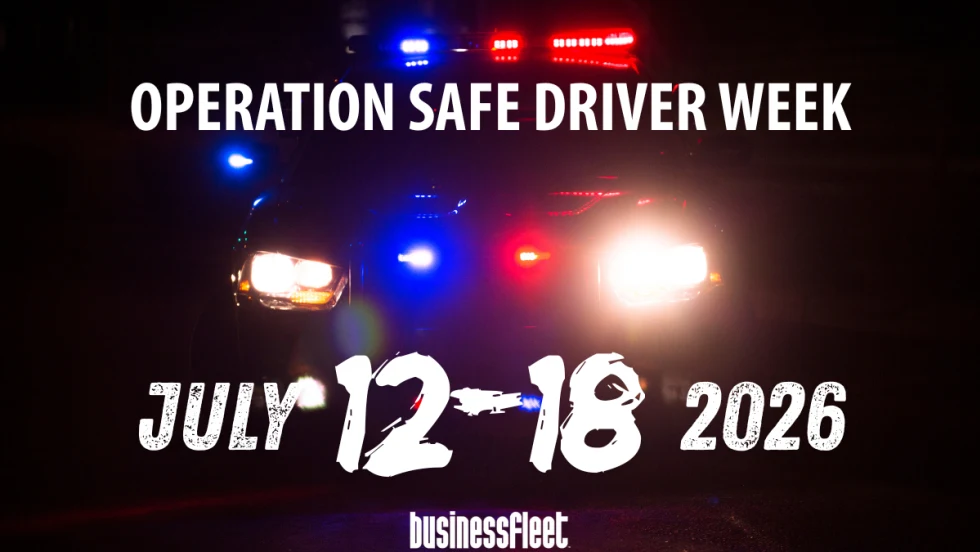
A 20-Minute Safety Check for Small Fleets Before Operation Safe Driver Week
No safety department? No problem. Here's a practical checklist small fleet managers can use before Operation Safe Driver Week begins.
Read More →
Why Small Fleets Keep Getting Tripped Up by ELD Compliance
Roadcheck revealed a hard truth: most ELD violations aren't intentional. They're caused by small mistakes that can cost fleets time, money, and trust.
Read More →