


Distracted Driving Causes 14% to 17% of All Crashes
In 2018, distracted driving contributed to 2,841 deaths and 938,000 accidents, according to data from the U.S. Department of Transportation and NHTSA.

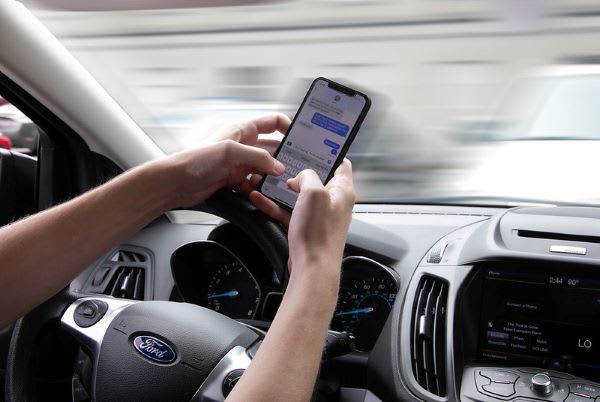
The District of Columbia and 48 states now have hand-held cell phone bans while driving.
Photo: Flickr/Virgina DOT.
In 2018, 2,841 people were killed in motor vehicle crashes involving distracted drivers, according to the Centers of Disease Control and Prevention (CDC). Among those deaths, the 20-29 age group had the highest number of fatalities.
The 2,841 deaths included the fatalities of 506 nonoccupants: pedestrians, bicyclists, and others, Bankrate recently reported.
Distracted driving caused 938,000 driving accidents in 2018, according to data from the U.S. Department of Transportation (DOT) and the National Highway Traffic Safety Administration (NHTSA). With 6.7 million car crashes taking place in 2018, distracted driving contributed to 15% of that total number.
According to data from the last 10 years, between 14% and 17% of all crashes are due to distracted driving. To reduce the occurrences of distracted driving, 48 states and the District of Columbia now have hand-held cell phone bans while driving.
Distracted driving can include visual distraction (your eyes move away from the road), auditory distraction (sound causing your attention to be taken away from driving), manual distraction (your hands move away from the steering wheel), and cognitive distraction (your mind wanders and you are no longer focused on driving).
Cell phone use can be a manual, cognitive, and visual distraction for drivers. For example, texting can take your eyes off the road for about five seconds – the length of a football field when you are driving 55 mph on the road. Texting increases the risk of a car accident by 23 times, according to a study by the Virginia Tech Transportation Institute.
While cell phone usage (and texting) has led to car accidents and fatalities, there are other distractions as dangerous when driving, including drowsiness, smoking, other passengers, a moving object in the vehicle, adjusting the radio or air conditioning, reaching for a device or item in the vehicle, eating and drinking, and daydreaming.
Originally posted on Work Truck Online
More Safety
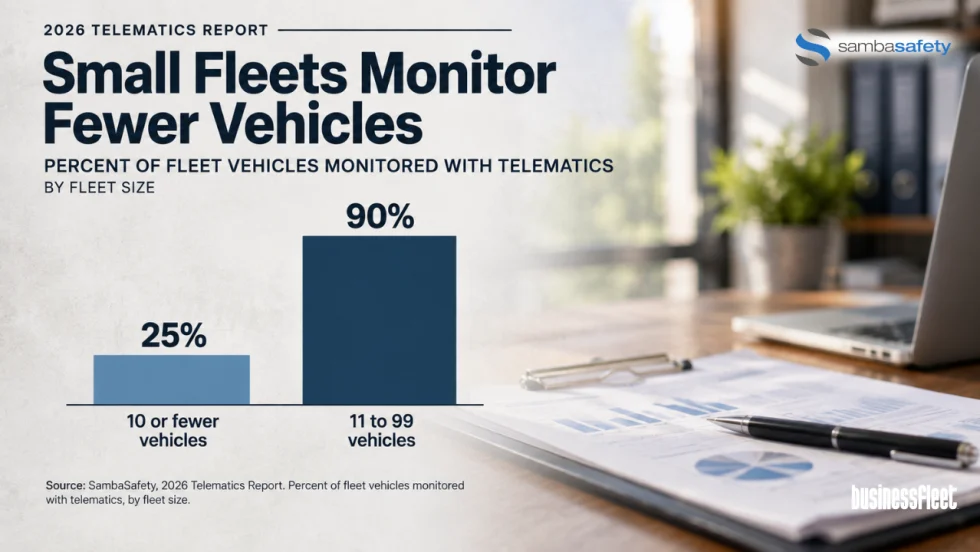
Small Fleets Lag in Telematics Coverage as Industry Moves Beyond Adoption
SambaSafety’s 2026 Telematics Report finds fleets with 10 or fewer vehicles monitor a much smaller share of their vehicles than larger operations, as the industry shifts its focus from collecting data to using it.
Read More →
Back-to-School Traffic Is Not the Risk Fleets Think It Is
Back-to-school traffic does not always mean more crashes. New Empiric Earth data shows why fleets should focus on when and where risk changes.
Read More →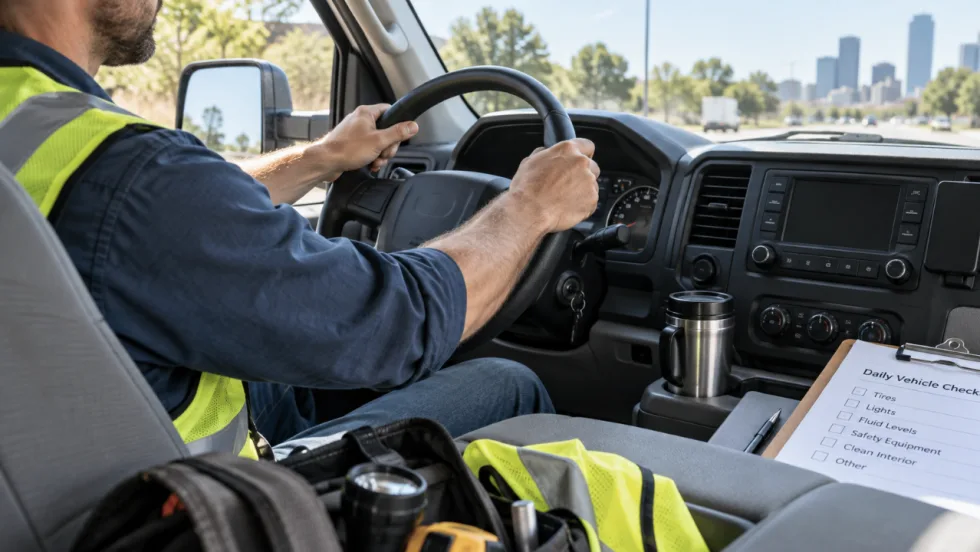
Small Fleet, Big Exposure: How to Reduce Workers’ Comp Risks
For small fleets, one crash can trigger far more than vehicle damage. Here’s how stronger driver safety policies, training, maintenance, and technology can help reduce workers’ comp exposure.
Read More →
Who Makes the Call When Winter Weather Gets Dangerous?
Winter weather can quickly change a small fleet’s plans. Knowing when to reroute, delay, or stop can matter just as much as preparing the vehicles themselves.
Read More →
API Issues Refueling Safety Guidelines
The American Petroleum Institute offers a list of safe vehicle refueling guidelines, including ways to avoid potential problems with static electricity discharges in fall, winter, and early spring.
Read More →
Winter Fleet Prep: Expert Tips to Keep Vehicles Running Smoothly
Cold weather can expose weak batteries, tires, fuel systems, and maintenance gaps fast. Use this winter fleet checklist to prepare trucks and drivers before temperatures drop.
Read More →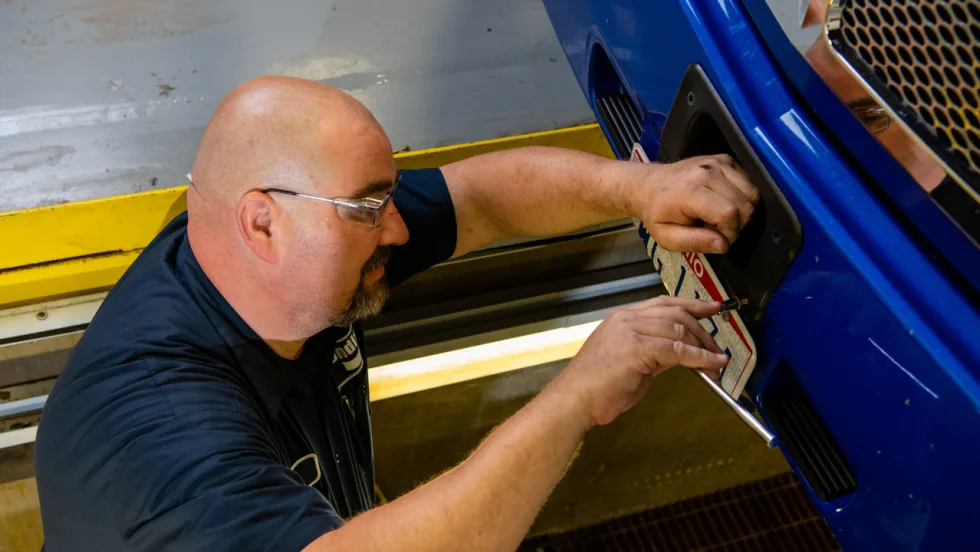
8 ADAS Maintenance Tips for Small Business Fleets From Bendix
A dirty camera, bad alignment, or one loose connection could quietly knock your fleet’s ADAS offline. Here’s what Bendix says to check.
Read More →
Developing Budget-Friendly Driver Safety Programs
From driver training and safety meetings to one-on-one coaching and incentive programs, several small fleets share how they have developed a safety culture with their drivers using low- to no-cost resources.
Read More →
A 20-Minute Safety Check for Small Fleets Before Operation Safe Driver Week
No safety department? No problem. Here's a practical checklist small fleet managers can use before Operation Safe Driver Week begins.
Read More →
Why Small Fleets Keep Getting Tripped Up by ELD Compliance
Roadcheck revealed a hard truth: most ELD violations aren't intentional. They're caused by small mistakes that can cost fleets time, money, and trust.
Read More →