


Driver Safety Precautions for Halloween
Here's safety advice, provided by AAA Exchange, to help keep motorists and trick-or-treaters safe on Tuesday night.

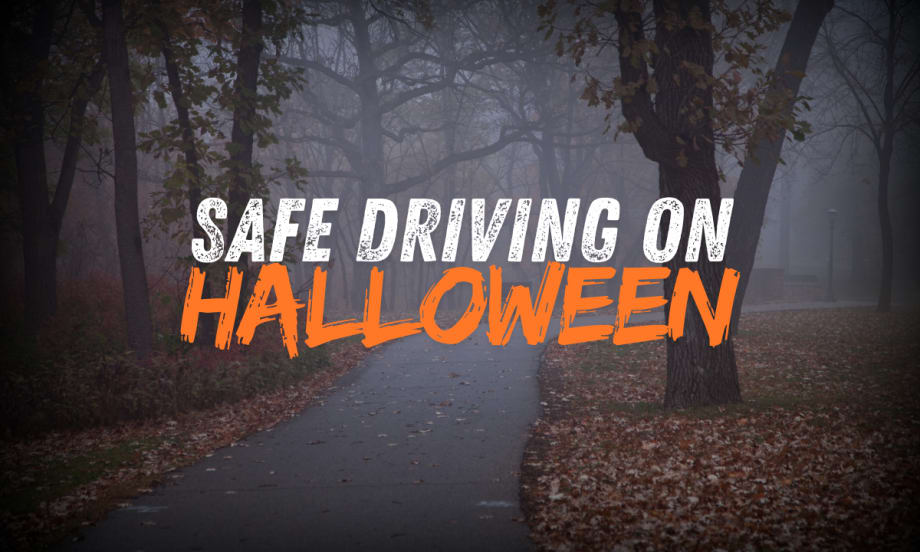
Drive safely on Halloween, whether you are making a delivery or just making your way home.
Photo: Work Truck
Here’s advice from AAA Exchange on how to keep trick-or-treat night safe as well as fun:
Motorists, remember to:
Slow down in residential neighborhoods and obey all traffic signs and signals. Drive at least 5 mph below the posted speed limit to give yourself extra time to react to children who may dart into the street.
Watch for children walking on roadways, medians and curbs. In dark costumes, they’ll be harder to see at night.
Look for children crossing the street. They may not be paying attention to traffic and cross the street mid-block or between parked cars.
Carefully enter and exit driveways and alleys.
Turn on your headlights to make yourself more visible — even in the daylight.
Broaden your scanning by looking for children left and right into yards and front porches.
Parents, remember to:
Ensure an adult or an older, responsible youth is available to supervise children under age 12.
Plan and discuss the route your trick-or-treaters will follow.
Instruct children to travel only in familiar areas and along established routes.
Teach children to stop only at well-lit houses and to never enter a stranger’s home or garage.
Establish a time for children to return home.
Tell children not to eat any treats until they get home.
Review trick-or-treating safety precautions, including pedestrian and traffic safety rules.
Make sure Halloween costumes are flame-retardant and visible with retro-reflective material.
Trick-or-Treaters
Be bright at night — wear retro-reflective tape on costumes and treat buckets to improve visibility to motorists and others.
Wear costumes that don’t obstruct vision, and avoid facemasks. Instead, use nontoxic face paint. Also, watch the length of billowy costumes to help avoid tripping.
Ensure any props are flexible and blunt-tipped to avoid injury from tripping or horseplay.
Carry a flashlight containing fresh batteries, and place it facedown in the treat bucket to free up one hand. Never shine it into the eyes of oncoming drivers.
Stay on sidewalks and avoid walking in streets if possible. If there are no sidewalks, walk on the left side of the road, facing traffic.
Look both ways and listen for traffic before crossing the street. Cross streets only at the corner, and never cross between parked vehicles or mid-block.
Trick-or-treat in a group if someone older cannot go with you. Tell your parents where you are going.
Originally posted on Automotive Fleet
More Safety
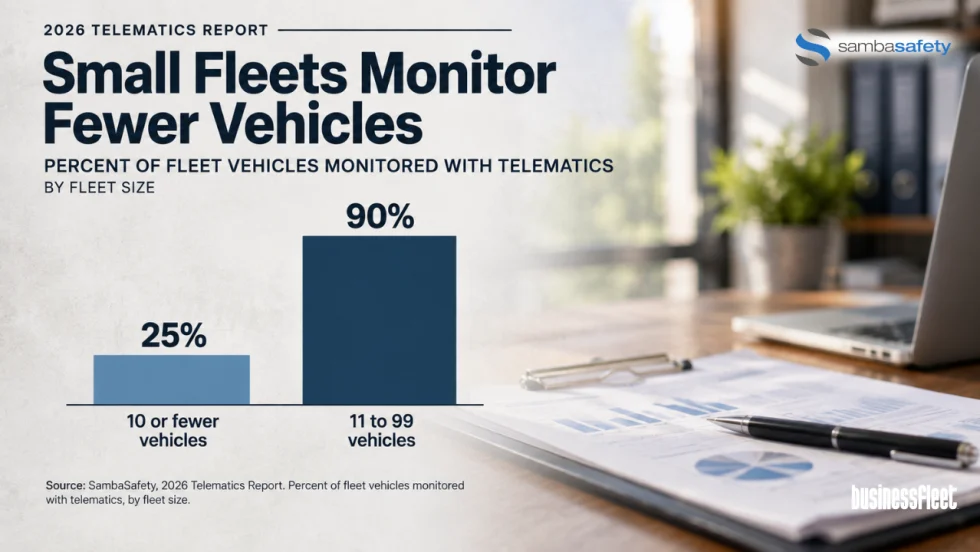
Small Fleets Lag in Telematics Coverage as Industry Moves Beyond Adoption
SambaSafety’s 2026 Telematics Report finds fleets with 10 or fewer vehicles monitor a much smaller share of their vehicles than larger operations, as the industry shifts its focus from collecting data to using it.
Read More →
Back-to-School Traffic Is Not the Risk Fleets Think It Is
Back-to-school traffic does not always mean more crashes. New Empiric Earth data shows why fleets should focus on when and where risk changes.
Read More →
Small Fleet, Big Exposure: How to Reduce Workers’ Comp Risks
For small fleets, one crash can trigger far more than vehicle damage. Here’s how stronger driver safety policies, training, maintenance, and technology can help reduce workers’ comp exposure.
Read More →
Who Makes the Call When Winter Weather Gets Dangerous?
Winter weather can quickly change a small fleet’s plans. Knowing when to reroute, delay, or stop can matter just as much as preparing the vehicles themselves.
Read More →
API Issues Refueling Safety Guidelines
The American Petroleum Institute offers a list of safe vehicle refueling guidelines, including ways to avoid potential problems with static electricity discharges in fall, winter, and early spring.
Read More →
Winter Fleet Prep: Expert Tips to Keep Vehicles Running Smoothly
Cold weather can expose weak batteries, tires, fuel systems, and maintenance gaps fast. Use this winter fleet checklist to prepare trucks and drivers before temperatures drop.
Read More →
8 ADAS Maintenance Tips for Small Business Fleets From Bendix
A dirty camera, bad alignment, or one loose connection could quietly knock your fleet’s ADAS offline. Here’s what Bendix says to check.
Read More →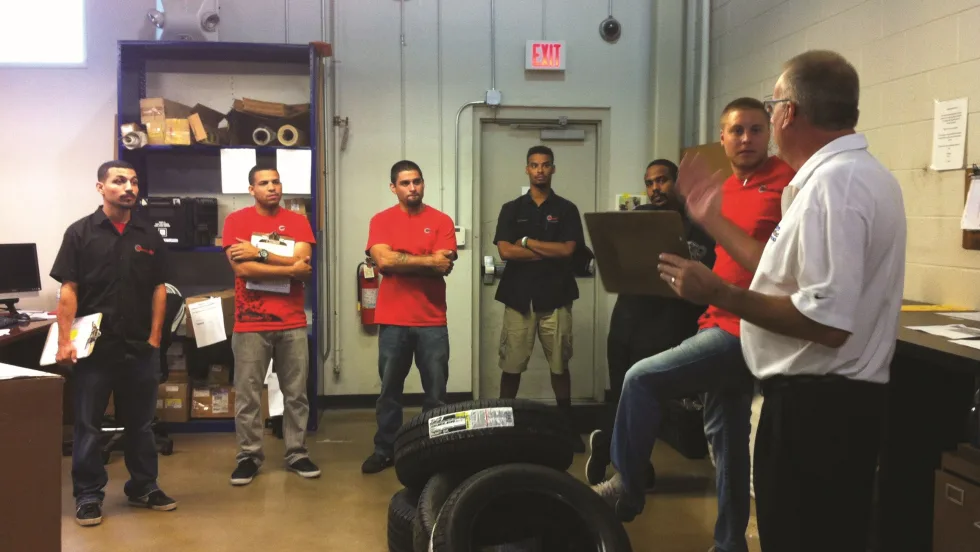
Developing Budget-Friendly Driver Safety Programs
From driver training and safety meetings to one-on-one coaching and incentive programs, several small fleets share how they have developed a safety culture with their drivers using low- to no-cost resources.
Read More →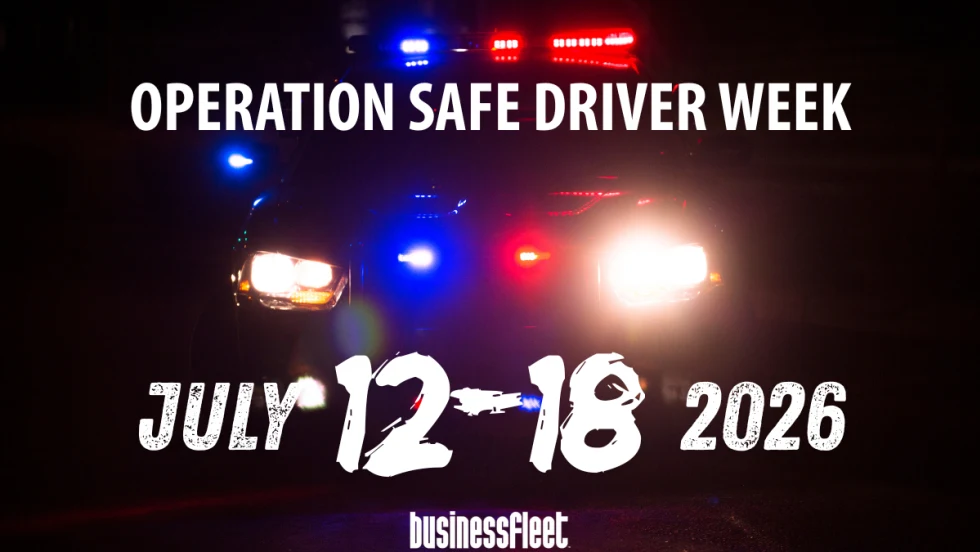
A 20-Minute Safety Check for Small Fleets Before Operation Safe Driver Week
No safety department? No problem. Here's a practical checklist small fleet managers can use before Operation Safe Driver Week begins.
Read More →
Why Small Fleets Keep Getting Tripped Up by ELD Compliance
Roadcheck revealed a hard truth: most ELD violations aren't intentional. They're caused by small mistakes that can cost fleets time, money, and trust.
Read More →