


Fleet Safety Tip: Resisting the Urge to Speed
Speeding is one of the most widespread and dangerous habits among drivers -- and it's a major cause of road deaths.

Photo by Fredlyfish4 via Wikimedia Commons.
Photo: Bobit
A total of 9,262 people died on American roads in speeding-related crashes in 2014, the most recent year for which final statistics are available. Though such fatalities have declined in the past decade, that’s still a staggering number — representing 28.3 percent of motor vehicle fatalities that year.
Unfortunately, some drivers develop a speeding habit and convince themselves it’s not posing a safety risk.
A 2014 study from AAA found that 46.1% of drivers said they had driven 15 mph over the speed limit on a freeway in the past month, and more than 20% said it’s acceptable to do so.
But when you carefully consider the risk vs. reward of speeding, it’s a no-brainer. AAA computed how much time it takes to make a 30-mile trip at different speeds:
55 mph = 32.7 minutes
65 mph = 27.7 minutes (5 minutes saved)
75 mph = 24 minutes (8.7 minutes saved)
“This math assumes you can maintain a constant speed without slowing down for traffic, signals or curves in roads,” AAA explained. “In reality, you’d probably save only 4 minutes, at best. And keep in mind, most trips are short. The average time saved on a 5-mile trip, driving 65 mph on a 45 mph posted road, is only 1.9 minutes.”
To avoid speeding, drivers need to get in the habit of regularly checking the speedometer, removing distractions so they don’t speed accidentally, and leaving earlier so they’re not rushed.
Originally posted on Automotive Fleet
More Safety
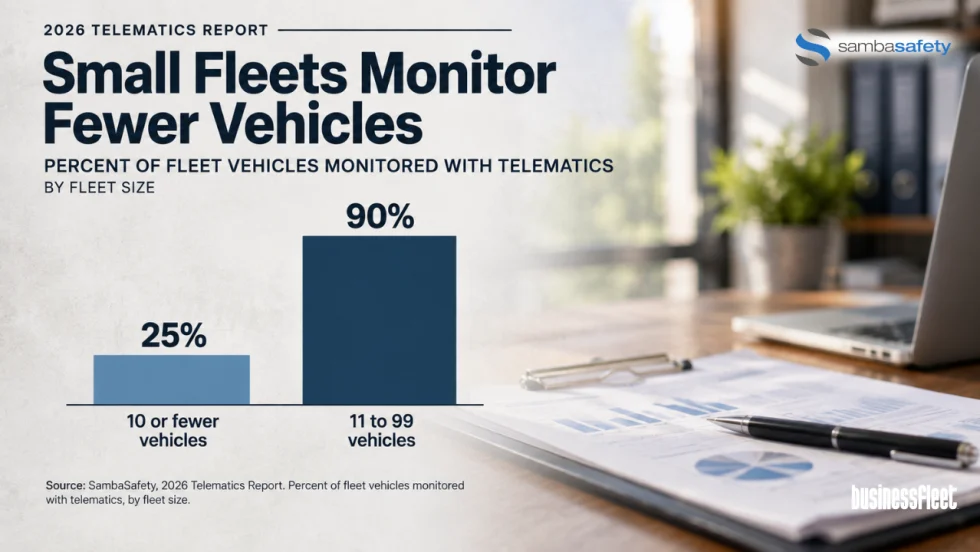
Small Fleets Lag in Telematics Coverage as Industry Moves Beyond Adoption
SambaSafety’s 2026 Telematics Report finds fleets with 10 or fewer vehicles monitor a much smaller share of their vehicles than larger operations, as the industry shifts its focus from collecting data to using it.
Read More →
Back-to-School Traffic Is Not the Risk Fleets Think It Is
Back-to-school traffic does not always mean more crashes. New Empiric Earth data shows why fleets should focus on when and where risk changes.
Read More →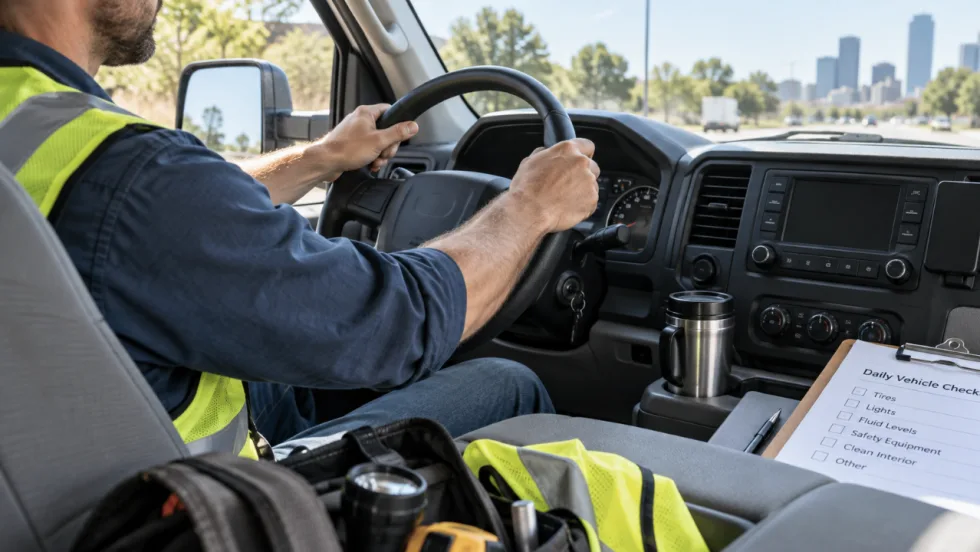
Small Fleet, Big Exposure: How to Reduce Workers’ Comp Risks
For small fleets, one crash can trigger far more than vehicle damage. Here’s how stronger driver safety policies, training, maintenance, and technology can help reduce workers’ comp exposure.
Read More →
Who Makes the Call When Winter Weather Gets Dangerous?
Winter weather can quickly change a small fleet’s plans. Knowing when to reroute, delay, or stop can matter just as much as preparing the vehicles themselves.
Read More →
API Issues Refueling Safety Guidelines
The American Petroleum Institute offers a list of safe vehicle refueling guidelines, including ways to avoid potential problems with static electricity discharges in fall, winter, and early spring.
Read More →
Winter Fleet Prep: Expert Tips to Keep Vehicles Running Smoothly
Cold weather can expose weak batteries, tires, fuel systems, and maintenance gaps fast. Use this winter fleet checklist to prepare trucks and drivers before temperatures drop.
Read More →
8 ADAS Maintenance Tips for Small Business Fleets From Bendix
A dirty camera, bad alignment, or one loose connection could quietly knock your fleet’s ADAS offline. Here’s what Bendix says to check.
Read More →
Developing Budget-Friendly Driver Safety Programs
From driver training and safety meetings to one-on-one coaching and incentive programs, several small fleets share how they have developed a safety culture with their drivers using low- to no-cost resources.
Read More →
A 20-Minute Safety Check for Small Fleets Before Operation Safe Driver Week
No safety department? No problem. Here's a practical checklist small fleet managers can use before Operation Safe Driver Week begins.
Read More →
Why Small Fleets Keep Getting Tripped Up by ELD Compliance
Roadcheck revealed a hard truth: most ELD violations aren't intentional. They're caused by small mistakes that can cost fleets time, money, and trust.
Read More →