


Fleet Safety Video Tip: Pedal Error Prevention
The National Highway Traffic Safety Administration offers five safety tips aimed at preventing pedal error, which occurs when drivers mistakenly apply the accelerator instead of the brake pedal.

Photo: NHTSA
Each year, approximately 16,000 preventable crashes occur as a result of pedal error, when drivers mistakenly step on the accelerator while intending to apply the brakes, according to the National Highway Traffic Safety Administration.
How does this happen? Sometimes a driver’s foot slips off the edge of the brake onto the accelerator. Sometimes the driver accidentally steps on both the brake and the accelerator. The result can lead to sudden vehicle acceleration, often at full-throttle, with no brake force slowing the vehicle down.
These types of accidents usually occur when a vehicle is traveling at very low speeds, such as when the driver is attempting to park in a parking lot or garage. But they also occur in other situations that commonly require braking, such as approaching an intersection or exiting a highway.
Research indicates that drivers under the age of 20 or over the age of 65 experience pedal error crashes about four times more frequently than other age groups. However, these crashes are seen among other age groups as well, NHTSA said.
NHTSA recently issued an advisory offering five safety tips aimed at preventing pedal error crashes. You may want to pass these tips along to fleet drivers as a friendly reminder:
1. Get Familiar – Adjust your seat, mirrors, steering wheel and pedals (if they are adjustable) properly before starting the vehicle. If you’re driving a vehicle you don’t normally drive, make sure to familiarize yourself with the location and feel of the accelerator and brake pedals.
2. Aim for the Middle – Make it a habit to aim for the center of the brake pedal every time the brake is used. This reinforces muscle memory and reduces the chances of pedal error.
3. Avoid Distractions – Stay focused on the driving task until the vehicle is safely stopped, shifted into park, and the engine is turned off.
4. Be Cautious – Proceed slowly and carefully when pulling in and backing out of parking spaces.
5. Wear the Right Shoes – Your footwear affects your ability to operate a vehicle. Footwear such as flip-flops, heavy boots or high heels can contribute to pedal error crashes. Wear flat-soled and lightweight shoes whenever you’re in the driver’s seat. (That doesn’t mean you have to wear those at the job site, in the office or during sales calls. Just change your shoes once the vehicle is safely parked; it only takes a minute.)
Originally posted on Automotive Fleet
More Safety
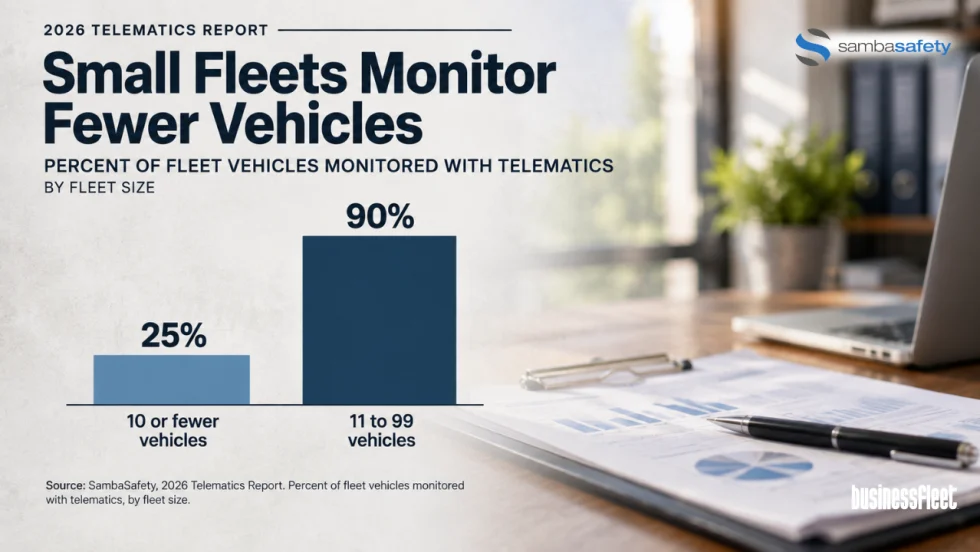
Small Fleets Lag in Telematics Coverage as Industry Moves Beyond Adoption
SambaSafety’s 2026 Telematics Report finds fleets with 10 or fewer vehicles monitor a much smaller share of their vehicles than larger operations, as the industry shifts its focus from collecting data to using it.
Read More →
Back-to-School Traffic Is Not the Risk Fleets Think It Is
Back-to-school traffic does not always mean more crashes. New Empiric Earth data shows why fleets should focus on when and where risk changes.
Read More →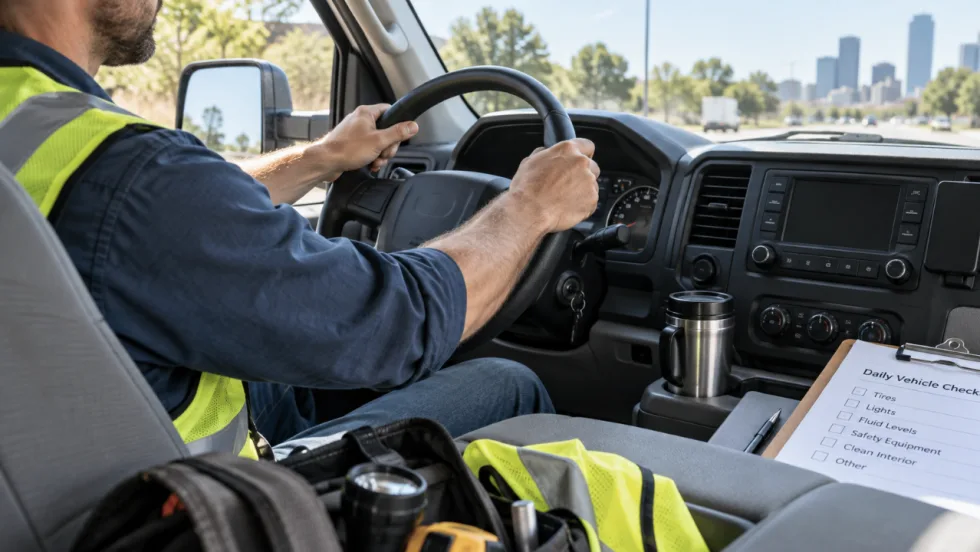
Small Fleet, Big Exposure: How to Reduce Workers’ Comp Risks
For small fleets, one crash can trigger far more than vehicle damage. Here’s how stronger driver safety policies, training, maintenance, and technology can help reduce workers’ comp exposure.
Read More →
Who Makes the Call When Winter Weather Gets Dangerous?
Winter weather can quickly change a small fleet’s plans. Knowing when to reroute, delay, or stop can matter just as much as preparing the vehicles themselves.
Read More →
API Issues Refueling Safety Guidelines
The American Petroleum Institute offers a list of safe vehicle refueling guidelines, including ways to avoid potential problems with static electricity discharges in fall, winter, and early spring.
Read More →
Winter Fleet Prep: Expert Tips to Keep Vehicles Running Smoothly
Cold weather can expose weak batteries, tires, fuel systems, and maintenance gaps fast. Use this winter fleet checklist to prepare trucks and drivers before temperatures drop.
Read More →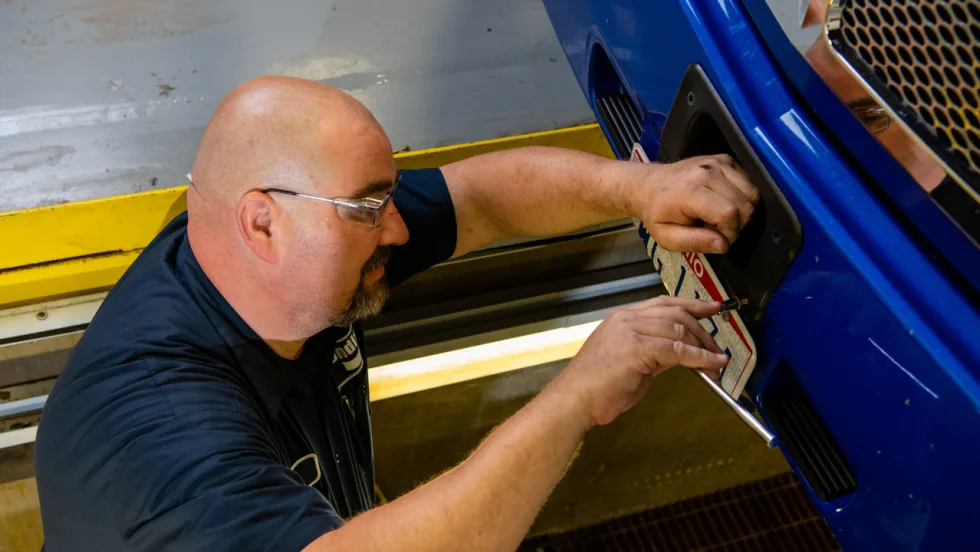
8 ADAS Maintenance Tips for Small Business Fleets From Bendix
A dirty camera, bad alignment, or one loose connection could quietly knock your fleet’s ADAS offline. Here’s what Bendix says to check.
Read More →
Developing Budget-Friendly Driver Safety Programs
From driver training and safety meetings to one-on-one coaching and incentive programs, several small fleets share how they have developed a safety culture with their drivers using low- to no-cost resources.
Read More →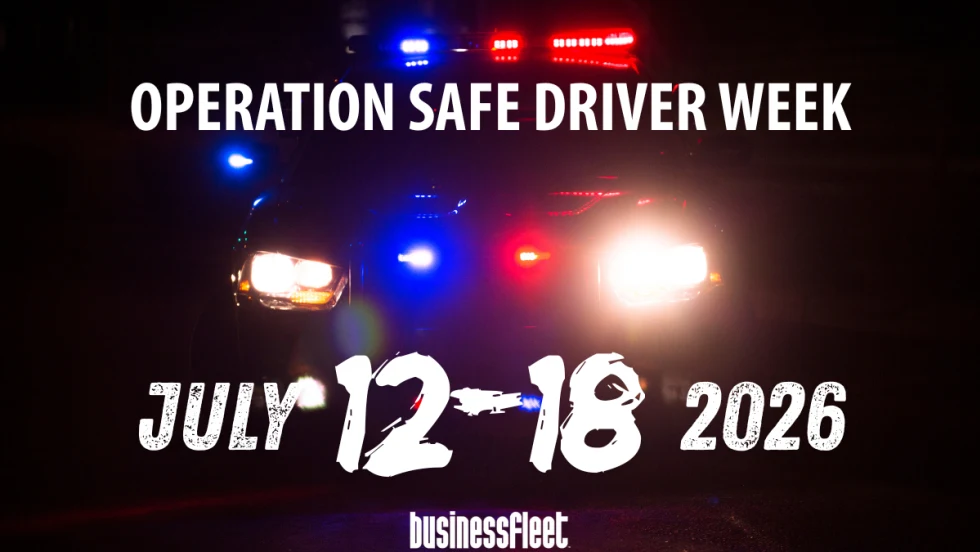
A 20-Minute Safety Check for Small Fleets Before Operation Safe Driver Week
No safety department? No problem. Here's a practical checklist small fleet managers can use before Operation Safe Driver Week begins.
Read More →
Why Small Fleets Keep Getting Tripped Up by ELD Compliance
Roadcheck revealed a hard truth: most ELD violations aren't intentional. They're caused by small mistakes that can cost fleets time, money, and trust.
Read More →