



Did You Miss this Recall? Tesla Recalls More Than 2 Million Vehicles
Ford Pickups Recalled for Possible Rear Axle Hub Bolt Break, Air Bag Deactivation [Updated]
The rear axle hub bolt recall affects an estimated 112,965 Ford F-150s. The air bag recall affects an estimated 17,970 Ford F-150 trucks, Super Duty F-250, F-350, F-450, F-550 trucks, and F-600 chassis cabs.
January 8, 2024
![Ford Pickups Recalled for Possible Rear Axle Hub Bolt Break, Air Bag Deactivation [Updated]](https://assets.bobitstudios.com/image/upload/f_auto,q_auto,dpr_auto,c_limit,w_920/01-02-2024-af-ford-f-150-f-series-super-duty-f-600-recall_1775981949459_fbeh2w.png)
Ford has issued recalls on some of the trucks in its lineup due to a potential rear axle hub bolt break, and due to a potential air bag deactivation.
Photo: Ford/Canva/Automotive Fleet
4 min to read
The National Highway Transportation Safety Administration has announced two recalls of certain Ford pickup trucks and chassis cabs. The first recall is due to a potential threat to the rear axle hub bolt. The second recall is due to a possible airbag deactivation.
Ford F-150 Trucks: Rear Axle Hub Bolt May Break
Ford is recalling certain F-150 models due to the threat of a fatigued and broken rear axle hub bolt, which can result in damage to tha axle hub splines. Damaged axle hub splines can result in a vehicle roll away when the vehicle is in park without the parking brake applied, or cause a loss of drive power. Both of these conditions can increase the risk of a crash.
Which Vehicles are Affected
The recall affects an estimated 112,965 2021-2023 Ford F-150 pickup trucks equipped with the Trailer Tow Max Duty package and a 9.75-in. heavy duty axle with a ¾ float axle design.
The remedy is currently under development. Owners will be instructed to take their vehicle to a dealer for an interim repair if they experience symptoms related to rear axle bolt breakage, such as a clicking or rattling noise. Owner notification letters are expected to be mailed Jan. 29, 2024.
The History of the Rear Axle Hub Bolt Recall
In June 2022, NHTSA contacted Ford regarding three Vehicle Owner's Questionnaire reports of broken rear axle hub bolts on 2021-2022 model year F-150 pickup trucks equipped with the 9.75-in. heavy duty ¾ float axle, according to documents submitted to NHTSA.
Warranty data indicated that the noise of a loose or broken bolt inside the wheel cap was apparent to most customers, who then sought service.
In other instances, dealer technicians identified the broken axle hub bolt during routine maintenance that typically occurs within the warranty period. In nearly all of the claims at the time, either the noise from the rattling bolt or vehicle maintenance identified the broken bolt.
At the time, Ford understood that it was possible for an unrepaired broken bolt to lead to spline fretting. However, Ford believed that broken bolts would be detectable and approved a one-time repair program for a five-month production window that was the source of most of the claims.
In Aug. 2023, Ford's Critical Concern Review Group opened an investigation into reports of broken rear axle hub bolts that had progressed to stripped wheel-end hub splines on 2021-2022 model year F-150 trucks equipped with the 9.75-in. heavy duty ¾ float axle.
The CCRG reviewed warranty reports and identified reports of loss of motive power and unintended vehicle movement while in park for vehicles with stripped wheel-end hub splines.
As of Dec. 2, 2023, there were 376 warranty reports related to rear axle bolt breakage and stripped hub splines resulting in the loss of motive power and/or loss of park, received between Jan. 2, 2022 and Nov. 27, 2023.
Ford is not aware of any reports of accident or injury related to this condition.
Ford F-150 Trucks, Super Duty Trucks, Chassis Cabs: Driver's Air Bag May Become Deactivated
Ford has also recalled certain pickup and chassis cab models for a potential air bag deactivation. The steering wheel clock spring may have an insufficient weld, causing a loss of electrical connection to the driver's frontal airbag. A deactivated airbag will not deploy during a crash, increasing the risk of injury.
Which Vehicles are Affected
The recall affects an estimated 17,970 2023 F-150 trucks, Super Duty F-250, F-350, F-450, F-550 trucks, and F-600 chassis cabs.
Dealers will inspect and replace the clock spring as necessary, free of charge. Interim owner notifications explaining the safety risk are scheduled to be mailed Jan. 8, 2024. A second notice will be sent once remedy parts become available, anticipated during Q2 2024.
The History of the Air Bag Recall
One of Ford's parts suppliers, BCS Automotive Interface Solutions, discovered that certain clock spring assemblies used in Steering Column Control Modules (SCCM) supplied to Ford by BCS may have been contaminated in the sub-supplier’s manufacturing process, according to documents submitted to NHTSA.
In Nov. 2023, BCS notified Ford that the parts were submitted for a recall report.
Ford worked with BCS to analyze production and shipping records to determine which vehicles were affected.
As of Dec. 6, 2023, Ford was aware of 19 warranty reports received from May 1, 2023, through Nov. 10, 2023, indicating issues in vehicles that may have been affected by the insufficient weld.
Ford is not aware of any reports of accidents or injuries related to the recalled equipment.
Editor's Note: This story was updated on Jan. 8, 2024 to reflect a recall of certain Ford F-150 models due to a potential rear axle hub bolt break.
Originally posted on Automotive Fleet
More Safety
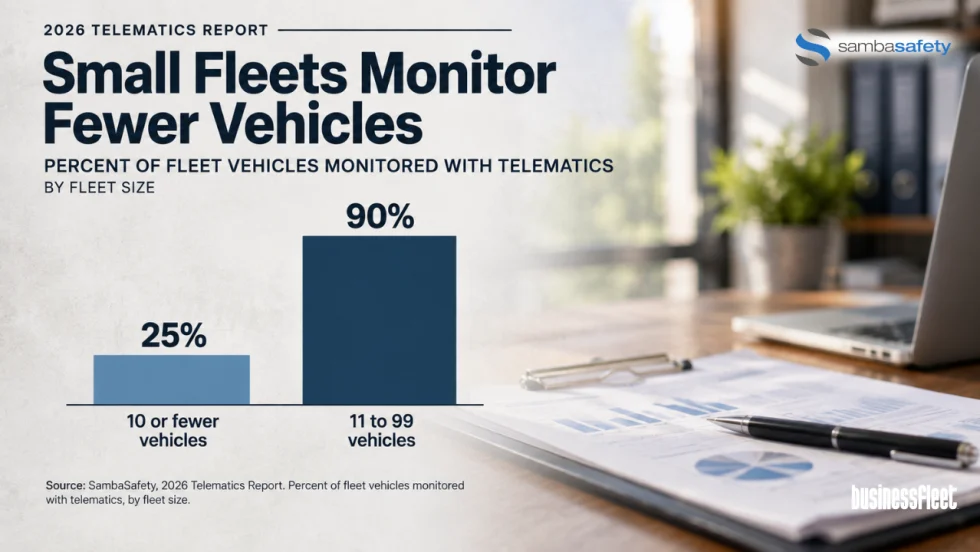
Small Fleets Lag in Telematics Coverage as Industry Moves Beyond Adoption
SambaSafety’s 2026 Telematics Report finds fleets with 10 or fewer vehicles monitor a much smaller share of their vehicles than larger operations, as the industry shifts its focus from collecting data to using it.
Read More →
Back-to-School Traffic Is Not the Risk Fleets Think It Is
Back-to-school traffic does not always mean more crashes. New Empiric Earth data shows why fleets should focus on when and where risk changes.
Read More →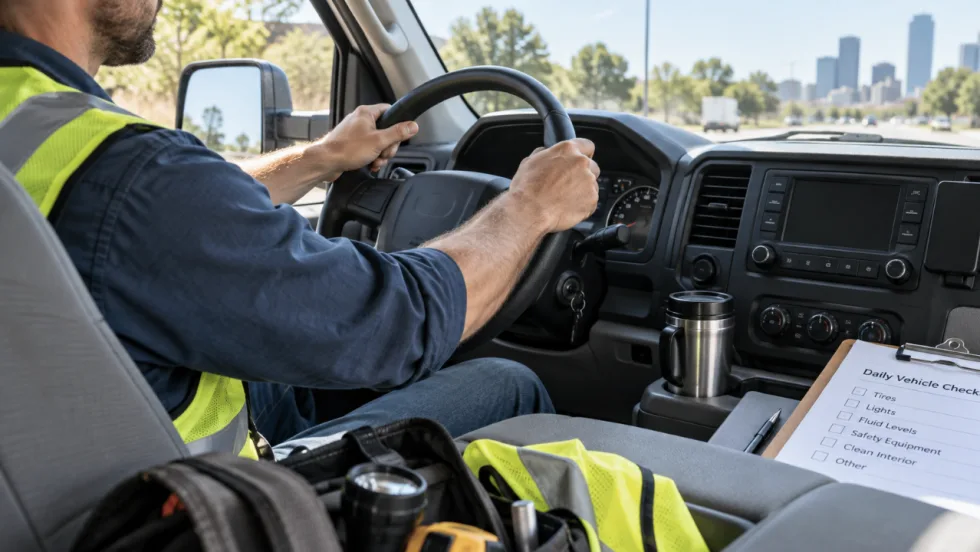
Small Fleet, Big Exposure: How to Reduce Workers’ Comp Risks
For small fleets, one crash can trigger far more than vehicle damage. Here’s how stronger driver safety policies, training, maintenance, and technology can help reduce workers’ comp exposure.
Read More →
Who Makes the Call When Winter Weather Gets Dangerous?
Winter weather can quickly change a small fleet’s plans. Knowing when to reroute, delay, or stop can matter just as much as preparing the vehicles themselves.
Read More →
API Issues Refueling Safety Guidelines
The American Petroleum Institute offers a list of safe vehicle refueling guidelines, including ways to avoid potential problems with static electricity discharges in fall, winter, and early spring.
Read More →
Winter Fleet Prep: Expert Tips to Keep Vehicles Running Smoothly
Cold weather can expose weak batteries, tires, fuel systems, and maintenance gaps fast. Use this winter fleet checklist to prepare trucks and drivers before temperatures drop.
Read More →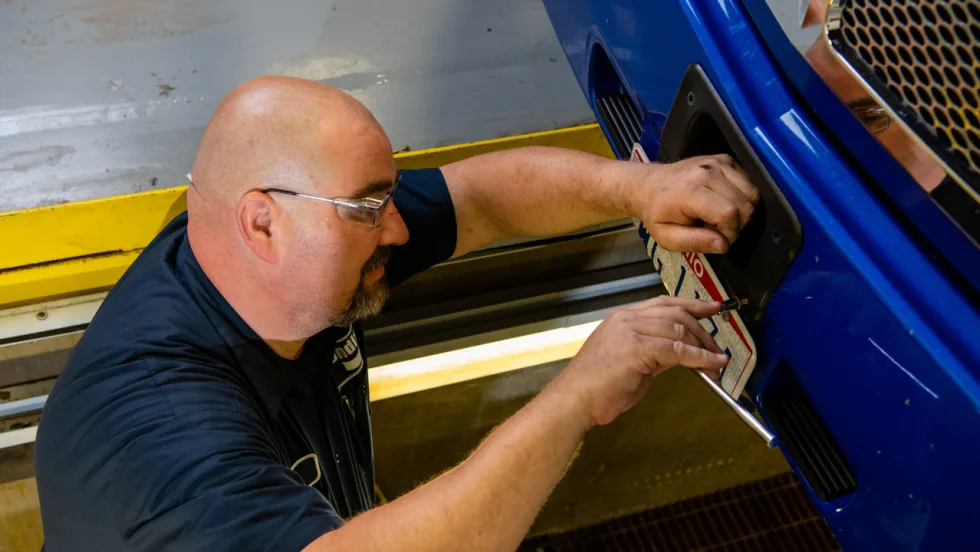
8 ADAS Maintenance Tips for Small Business Fleets From Bendix
A dirty camera, bad alignment, or one loose connection could quietly knock your fleet’s ADAS offline. Here’s what Bendix says to check.
Read More →
Developing Budget-Friendly Driver Safety Programs
From driver training and safety meetings to one-on-one coaching and incentive programs, several small fleets share how they have developed a safety culture with their drivers using low- to no-cost resources.
Read More →
A 20-Minute Safety Check for Small Fleets Before Operation Safe Driver Week
No safety department? No problem. Here's a practical checklist small fleet managers can use before Operation Safe Driver Week begins.
Read More →
Why Small Fleets Keep Getting Tripped Up by ELD Compliance
Roadcheck revealed a hard truth: most ELD violations aren't intentional. They're caused by small mistakes that can cost fleets time, money, and trust.
Read More →