


Learn How to Drive in Extreme Heat
To prepare for the next heat wave, fleet drivers can follow these six vehicle tips and these four driving tips to lessen the impact of extreme weather on the company asset.
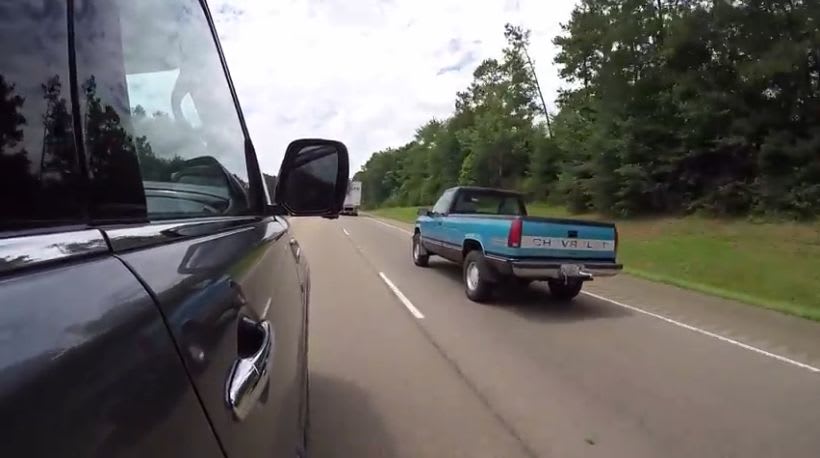
A vehicle inspection is even more important during extreme summer heat.
Screenshot via 50 Campgrounds.
Even if your fleet drivers aren't heading through Death Valley, Calif., there are plenty of other pockets of the country that experience record-setting temperatures during the summer. Cities that regularly log the hottest temperatures in June, July, and August include Phoenix, Las Vegas, Dallas, Austin, San Antonio, Houston, Miami, Tampa, New Orleans, and Orlando.
Summer temperatures average more than 90 degrees in Phoenix and Las Vegas, according to a study by Current Results that analyzed weather data collected by the NOAA from 1981 to 2010. Another 11 cities average over 80 degrees.
Fleet drivers can prepare themselves for the next heat wave by following these six vehicle tips and these four driving tips to lessen the impact of extreme weather on the company asset:
Refill coolant: Make sure your radiator has plenty of coolant.
Check hoses for leaks, cracks, peeling, or separation: Fix any problems so that the coolant can flow easily through the hoses.
Add ample oil: The hotter it gets, the more important oil becomes, so be sure your vehicle has plenty of clean oil at all times.
Check the battery: Ensure the terminal is clean and there is adequate water in it.
Check tire pressure often: They need to be checked often for accurate pressure. Summertime brings with it sunbaked roadways that can easily cause wear and tear on tires.
Service the air conditioner in the spring: It's relatively inexpensive to do so, and can save a driver from a brutally draining day on the job if the air conditioner breaks down when the temperature is rising.
Experts also say there are several steps drivers can take to better deal with the heat once they are behind the wheel. Here are a few tips:
Use a sunshade: When parking in the sun for any extended length of time, take a moment to cover the windshield with a sunshade. It will shield your dark dashboard which otherwise can get scorching hot and take a long time to cool down.
Cool off your steering wheel: When returning to your vehicle after parking in sun, you may be greeted by an extra-hot steering wheel. Use a wet wipe to disperse the heat and cool it off.
Choose A/C or windows down: Experts say that if you are driving at 40mph or slower, open windows and no air conditioning is the better option for keeping your vehicle cool. However, when traveling over 40mph, the opposite is true, so shut the windows and crack the air conditioner.
Know what to do if your vehicle overheats: Though overheating is uncommon today, if it happens be sure you don't ride the brakes. Also, turn the air conditioner off and if the vehicle continues to overheat, turn the heat on.
Originally posted on Automotive Fleet
More Safety
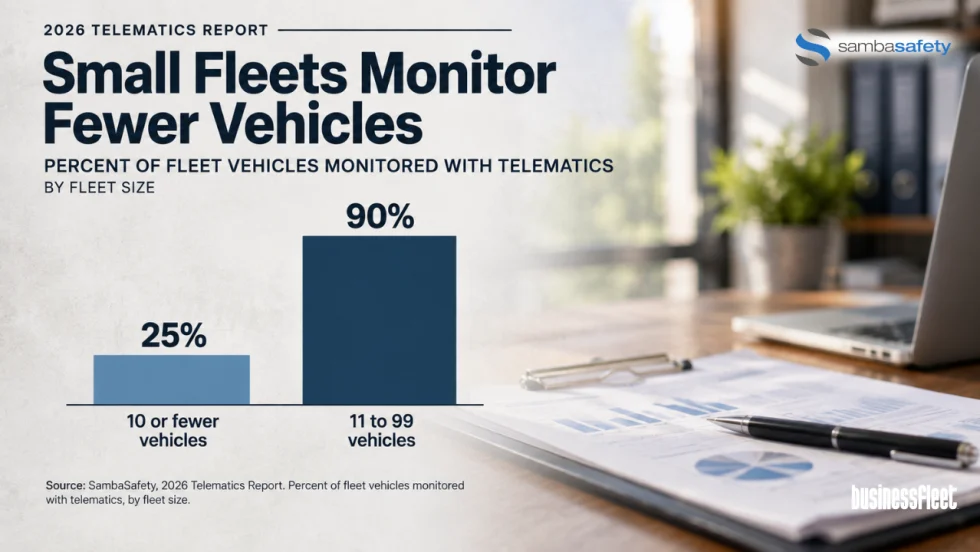
Small Fleets Lag in Telematics Coverage as Industry Moves Beyond Adoption
SambaSafety’s 2026 Telematics Report finds fleets with 10 or fewer vehicles monitor a much smaller share of their vehicles than larger operations, as the industry shifts its focus from collecting data to using it.
Read More →
Back-to-School Traffic Is Not the Risk Fleets Think It Is
Back-to-school traffic does not always mean more crashes. New Empiric Earth data shows why fleets should focus on when and where risk changes.
Read More →
Small Fleet, Big Exposure: How to Reduce Workers’ Comp Risks
For small fleets, one crash can trigger far more than vehicle damage. Here’s how stronger driver safety policies, training, maintenance, and technology can help reduce workers’ comp exposure.
Read More →
Who Makes the Call When Winter Weather Gets Dangerous?
Winter weather can quickly change a small fleet’s plans. Knowing when to reroute, delay, or stop can matter just as much as preparing the vehicles themselves.
Read More →
API Issues Refueling Safety Guidelines
The American Petroleum Institute offers a list of safe vehicle refueling guidelines, including ways to avoid potential problems with static electricity discharges in fall, winter, and early spring.
Read More →
Winter Fleet Prep: Expert Tips to Keep Vehicles Running Smoothly
Cold weather can expose weak batteries, tires, fuel systems, and maintenance gaps fast. Use this winter fleet checklist to prepare trucks and drivers before temperatures drop.
Read More →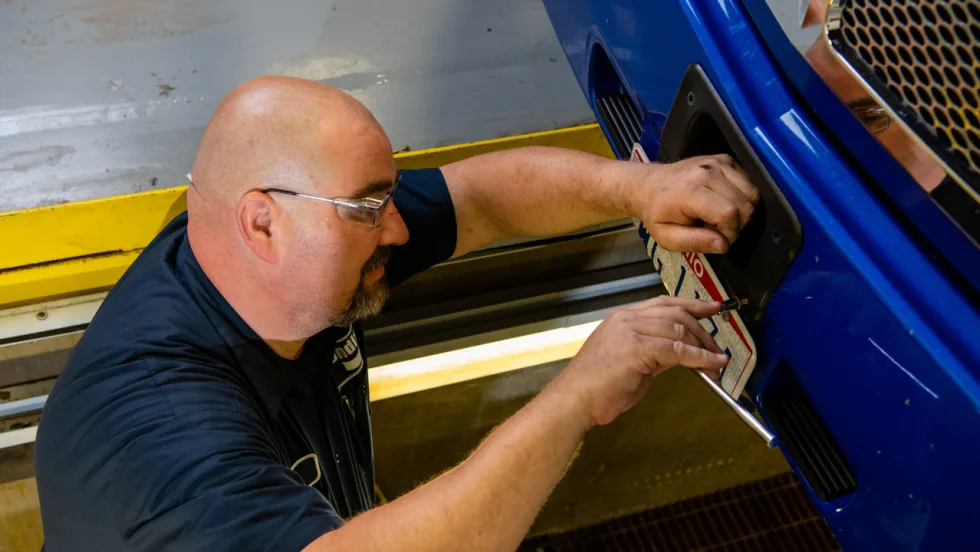
8 ADAS Maintenance Tips for Small Business Fleets From Bendix
A dirty camera, bad alignment, or one loose connection could quietly knock your fleet’s ADAS offline. Here’s what Bendix says to check.
Read More →
Developing Budget-Friendly Driver Safety Programs
From driver training and safety meetings to one-on-one coaching and incentive programs, several small fleets share how they have developed a safety culture with their drivers using low- to no-cost resources.
Read More →
A 20-Minute Safety Check for Small Fleets Before Operation Safe Driver Week
No safety department? No problem. Here's a practical checklist small fleet managers can use before Operation Safe Driver Week begins.
Read More →
Why Small Fleets Keep Getting Tripped Up by ELD Compliance
Roadcheck revealed a hard truth: most ELD violations aren't intentional. They're caused by small mistakes that can cost fleets time, money, and trust.
Read More →