


New Honda-Designed Fuel Cell Added to California FCV Demonstration Program

A Honda FCX-V3 fuel cell vehicle equipped with a new Honda-designed fuel cell stack has joined the fleet of vehicles participating in the California Fuel Cell Partnership's (CaFCP) public highway demonstration program, Honda Motor Co., Ltd., announced on Feb. 13. Earlier Honda FCX versions were powered by fuel cell stacks developed by Ballard Power Systems, Inc., including the the FCX-V1 introduced in 1999 and a previous version of the FCX-V3 that has been participating in the CaFCP program since it started last November. The FCX-V2 was powered by the first generation Honda stack and demonstrated in September 1999. The new version of the FCX-V3 reflects the improved performance and reliability of Honda's own fuel cell stack design. The CaFCP program will help verify the on-road performance of Honda's fuel cell technology. The Honda fuel cell stack stores gaseous hydrogen under high pressure to create electricity, which in turn drives an electric motor and the wheels. Combined with a Honda-developed ultra capacitor, it provides excellent response and high efficiency, according to Honda officials. Environmental performance is also outstanding, with zero emissions, zero CO2 and the potential to use renewable fuel. "Honda believes the fuel cell offers tremendous potential as a high efficiency automotive powerplant," said Ben Knight, vice president of Honda Research and Development and the company's CaFCP representative. "We will continue to pursue fuel cell vehicle development with stacks of Honda's own design and others." The FCX-V3 seats up to four persons and features a startup time of about 10 seconds (compared to the 10-minute startup time for some previous models). Vehicle operation is also very quiet. The ultra-capacitor contributes to acceleration performance as well as highly efficient energy management. About the California Fuel Cell Partnership The CaFCP is based in West Sacramento and is a joint-participation project that includes the California and federal government agencies, energy companies, auto manufacturers and fuel cell stack manufacturers. The objective of the project is to work cooperatively to lay a foundation for future fuel cell commercialization. This includes the advancement of fuel cell vehicles, the development of fueling and infrastructure approaches, and expanding public awareness of the benefits of fuel cell technology.
Originally posted on Work Truck Online
More Green Fleet

Fleet Forward Conference Introduces One-Day Passes for 2026
New one-day registration gives fleet professionals the flexibility to attend Tuesday, Wednesday, or Thursday, with passes available for $199 through Sept. 18.
Read More →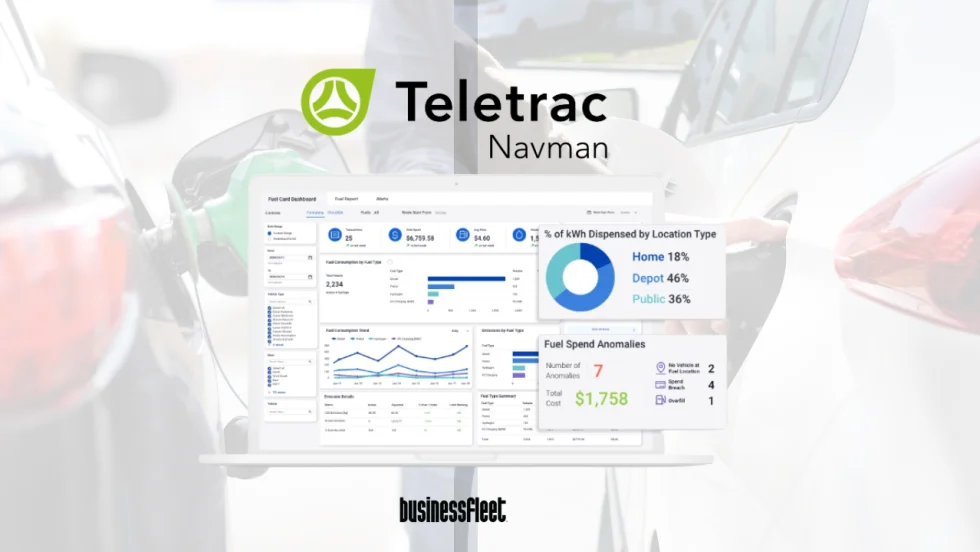
Teletrac Navman Adds Mixed-Energy Tracking to TN360
Energy Hub combines fuel card data, EV charging activity, reimbursements, and vehicle energy use in one dashboard for fleets operating gasoline, hybrid, and electric vehicles.
Read More →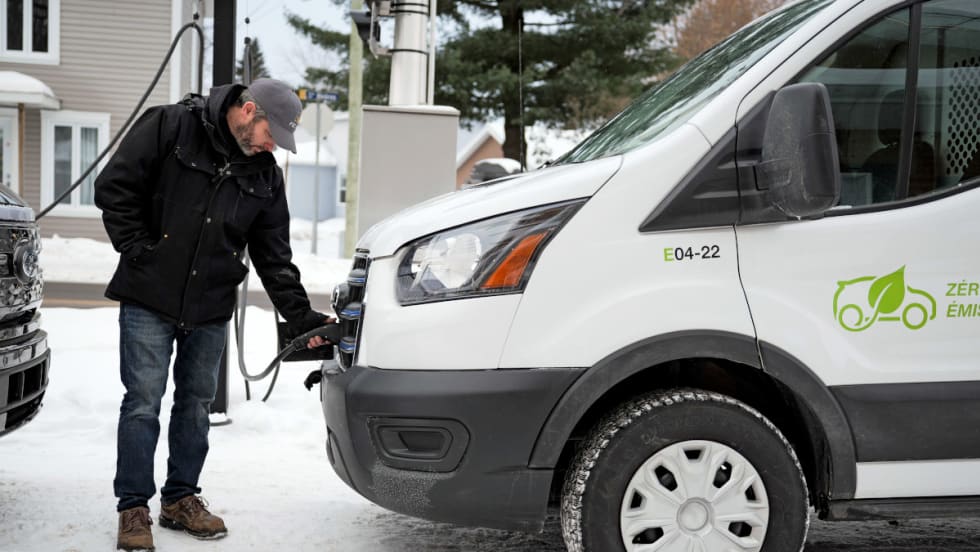
Ford Pro e-Telematics Helps Fleet Track E-Transit Efficiency
Canadian electrical contractor Fize Electrique shares how it uses Ford Pro e-Telematics to drive and track efficiency in the battery-electric Fords in its fleet, mostly comprised of E-Transit vans, even in the brutal cold of winter.
Read More →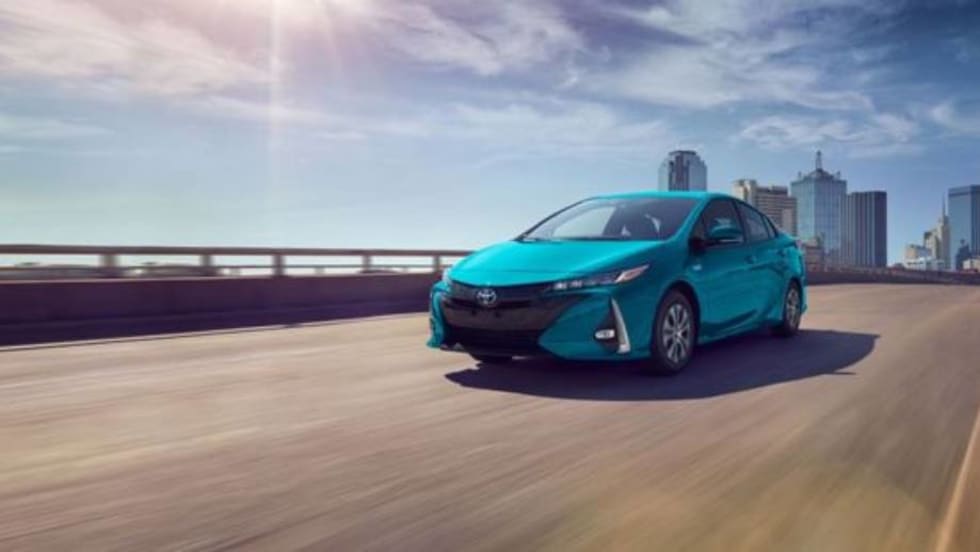
How to Maximize Benefits of PHEVs In Fleets
Plug-in hybrid vehicles can reduce fleets’ carbon emissions as well as range anxiety. This analysis shows the positive impacts of proper PHEV use, and the negative environmental and financial consequences if your drivers aren’t plugging them in.
Read More →
How Increased CAFE Standards Will Affect Fleets
The year 2026 will mark a turning point with multiple regulations converging to push for greater fuel economy in cars and trucks.
Read More →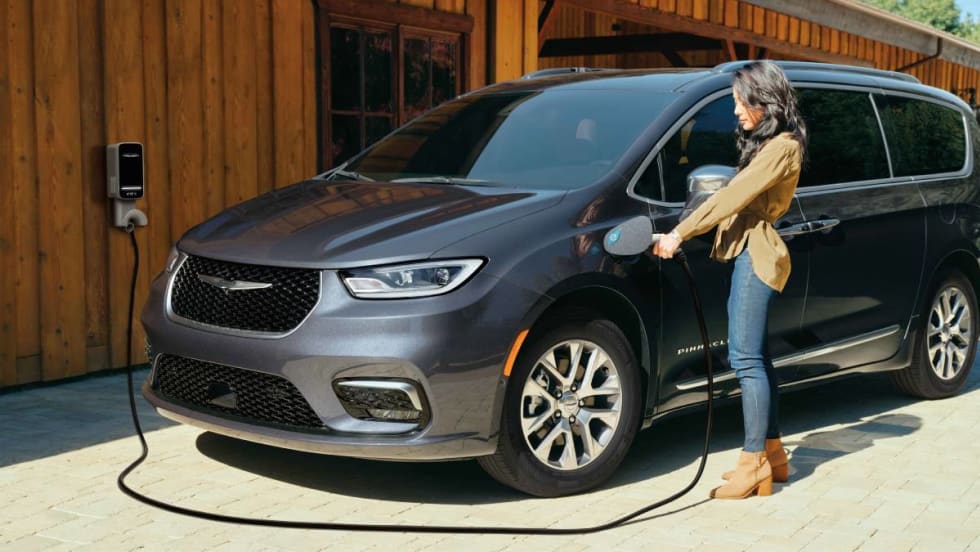
How To Reimburse Electric Vehicle Drivers for Charging at Home
Calculating reimbursement for at-home EV charging requires lots of precision, but several options are available ease the process for fleets.
Read More →
Buying vs. Leasing Electric Vehicles: Pros & Cons
As your fleet plans out its electrification roadmap, consider whether buying or leasing EVs make sense for your needs. Here’s what to consider.
Read More →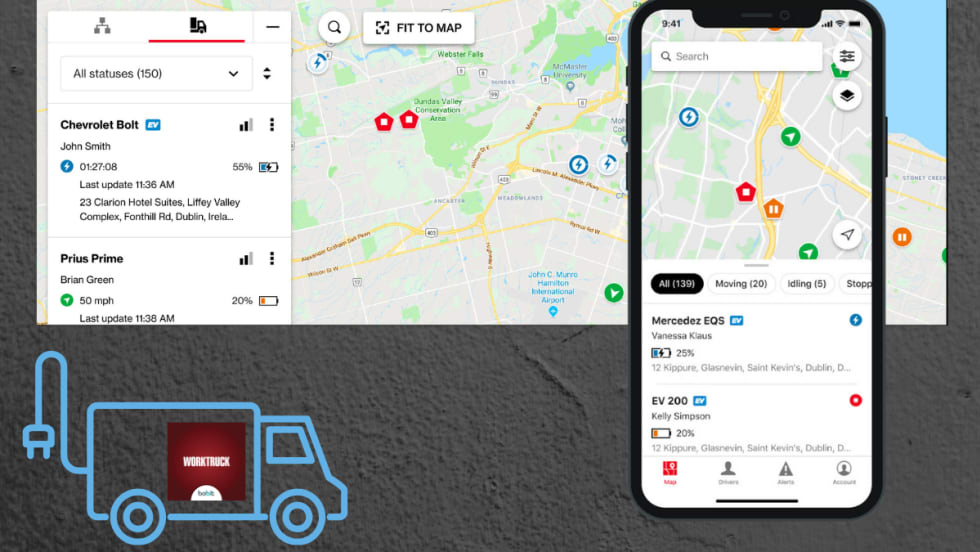
Verizon Connect Adds New EV Features to Reveal
Beginning next month, Verizon Connect Reveal customers in the U.S. and Canada will be able to more effectively support various vehicle types – both gasoline-powered and EVs – in one pane of glass.
Read More →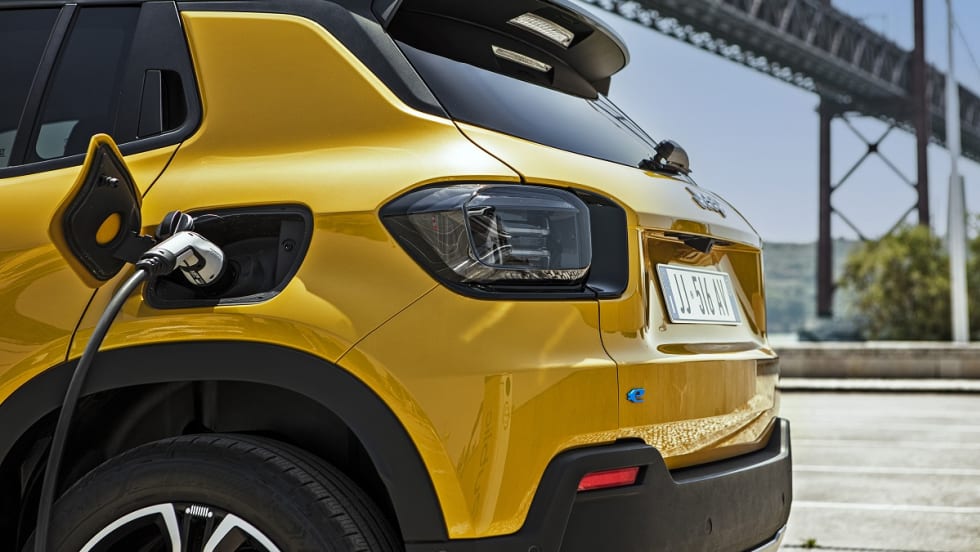
Jeep Reveals Plan for SUV Electrification
With an eye on becoming a zero-emission SUV leader, Jeep unveils its plans for four new all-electric SUVs in North America and Europe by 2025.
Read More →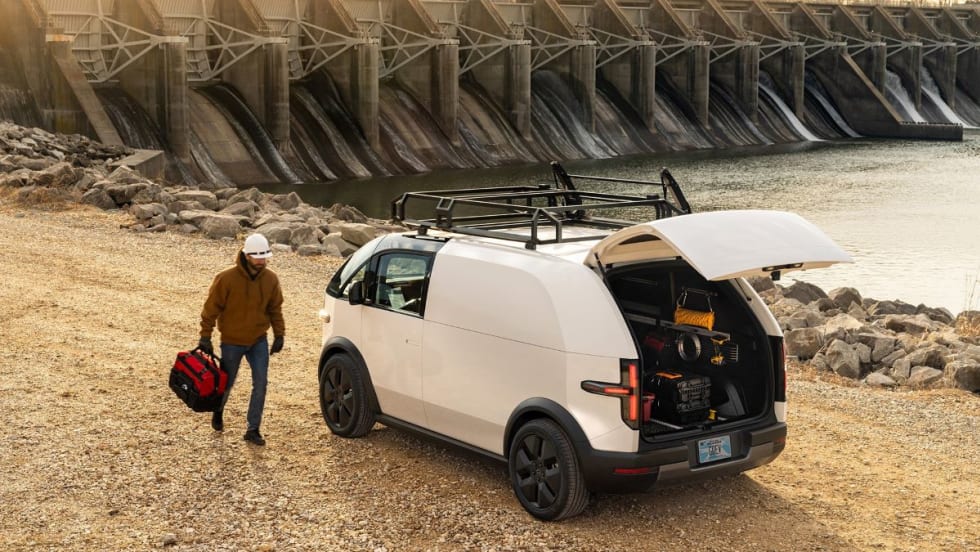
Canoo Vehicles Added to Fleet Forward Tour Dallas
Attendees will be able to ride along in the electric Canoo Lifestyle Vehicle (LV) and the Canoo Lifestyle Delivery Vehicle (LDV), along with electric passenger cars, trucks, and vans from eight other automakers.
Read More →