



Related: July 4 Remains Deadliest Driving Day
Safety Council Grades States on Safety Policies
In the category of road safety, the top five performers are Illinois, Louisiana, Washington D.C., Delaware and Maine.
June 28, 2017
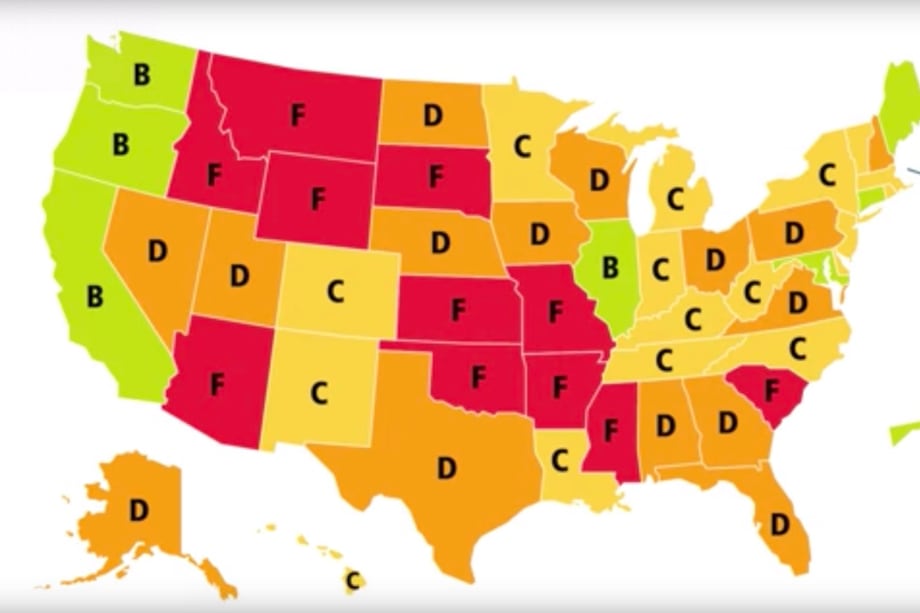
Photo: NSC
3 min to read
None of the 50 states deserves an A grade for its overall safety policies, a new report from the National Safety Council concluded. But seven states drew an overall B grade from the council for their efforts in preventing injury and death on roads, in the home and community, and at the workplace.
The states that earned an overall B grade from the National Safety Council (NSC) are California, Connecticut, Illinois, Maine, Maryland, Oregon, and Washington. Washington D.C., also warranted a B, according to the NSC’s “State of Safety” report.
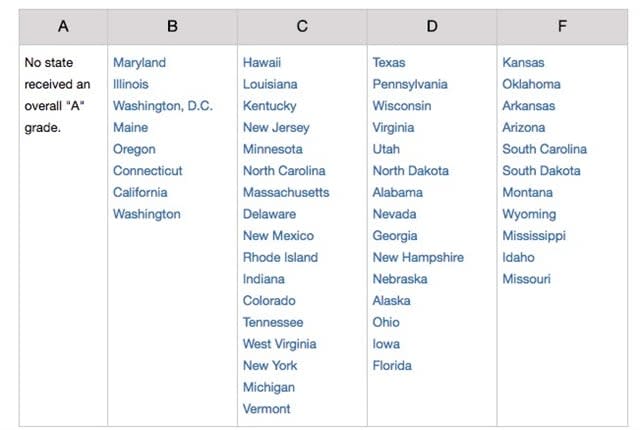
Overall safety grades for all 50 states and the District of Columbia. (These grades take into account policies that promote safety on roads, at home and in the community, and at the workplace.)
In the category of road safety, the report’s top five performers are Illinois, Louisiana, Washington D.C., Delaware a,nd Maine. The bottom five states in this category are Wyoming, Arizona, Missouri, South Dakota, and Montana.
An estimated 40,200 people died on U.S. roads in 2016, making motor vehicle crashes a leading cause of unintentional death in the U.S. — second only to drug overdoses.
To judge each state’s efforts to promote road safety, NSC looked at policy and legislation related to a wide range of risk factors. These factors included fatigue, alcohol use, seat belt use, speeding, and distraction. Also considered were laws about child passengers, teen drivers, drivers 65 and older, bicyclists, motorcyclists, and pedestrians.
The report stressed that states have a major role to play in ensuring safe roads.
“A comprehensive road safety approach that integrates laws, enforcement, and driver education can shift culture over time so safety becomes the norm, and safe behaviors become customary,” the report said.
While judging efforts to prevent alcohol-impaired driving, NSC gave the lowest grades to both Montana and Michigan. This subcategory’s criteria included the presence of a state sobriety checkpoint program, ignition interlock requirements for all first-time and repeat DUI offenders, administrative 90-plus-day license revocation for drivers who test above .08 blood alcohol content or who refuse the test, and a ban on open containers for drivers and passengers.
The report found only four states — California, Texas, Louisiana, and New Jersey — to be “on track” with their seat belt policy. All other states lagged behind. The NSC advocates for primary-enforcement seat belt laws that cover all occupants and seating positions.
The worst performers in the fight against distracted driving, according to the report, are Montana, Arizona, Missouri, and Florida. The NSC evaluated states based on whether they have a total ban on cell phone use for teens and novice drivers and a texting ban for all drivers.
In the report’s evaluation of state efforts to prevent dangerous vehicle speeds, the winners are Iowa and Illinois. Additionally, California is the leading state in the regulation of teen drivers, and Oregon is the leader in protecting motorcyclists, bicyclists, and pedestrians. Oklahoma and Tennessee are the leaders in protecting child passengers, according to the report.
Originally posted on Automotive Fleet
More Safety
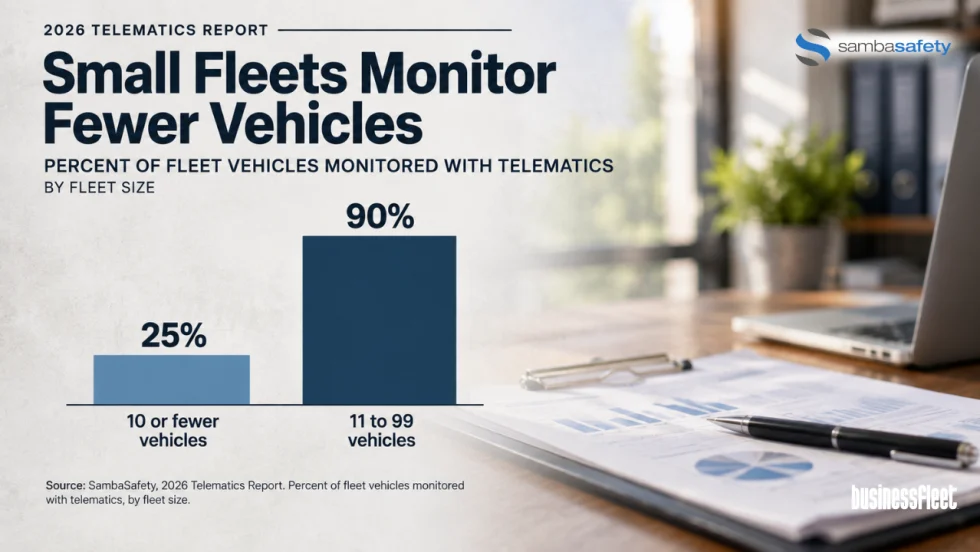
Small Fleets Lag in Telematics Coverage as Industry Moves Beyond Adoption
SambaSafety’s 2026 Telematics Report finds fleets with 10 or fewer vehicles monitor a much smaller share of their vehicles than larger operations, as the industry shifts its focus from collecting data to using it.
Read More →
Back-to-School Traffic Is Not the Risk Fleets Think It Is
Back-to-school traffic does not always mean more crashes. New Empiric Earth data shows why fleets should focus on when and where risk changes.
Read More →
Small Fleet, Big Exposure: How to Reduce Workers’ Comp Risks
For small fleets, one crash can trigger far more than vehicle damage. Here’s how stronger driver safety policies, training, maintenance, and technology can help reduce workers’ comp exposure.
Read More →
Who Makes the Call When Winter Weather Gets Dangerous?
Winter weather can quickly change a small fleet’s plans. Knowing when to reroute, delay, or stop can matter just as much as preparing the vehicles themselves.
Read More →
API Issues Refueling Safety Guidelines
The American Petroleum Institute offers a list of safe vehicle refueling guidelines, including ways to avoid potential problems with static electricity discharges in fall, winter, and early spring.
Read More →
Winter Fleet Prep: Expert Tips to Keep Vehicles Running Smoothly
Cold weather can expose weak batteries, tires, fuel systems, and maintenance gaps fast. Use this winter fleet checklist to prepare trucks and drivers before temperatures drop.
Read More →
8 ADAS Maintenance Tips for Small Business Fleets From Bendix
A dirty camera, bad alignment, or one loose connection could quietly knock your fleet’s ADAS offline. Here’s what Bendix says to check.
Read More →
Developing Budget-Friendly Driver Safety Programs
From driver training and safety meetings to one-on-one coaching and incentive programs, several small fleets share how they have developed a safety culture with their drivers using low- to no-cost resources.
Read More →
A 20-Minute Safety Check for Small Fleets Before Operation Safe Driver Week
No safety department? No problem. Here's a practical checklist small fleet managers can use before Operation Safe Driver Week begins.
Read More →
Why Small Fleets Keep Getting Tripped Up by ELD Compliance
Roadcheck revealed a hard truth: most ELD violations aren't intentional. They're caused by small mistakes that can cost fleets time, money, and trust.
Read More →