


Safety Tip: Back-to-School Driving Advice
Here are some timely tips from the National Safety Council that you can share with fleet drivers as a friendly reminder.

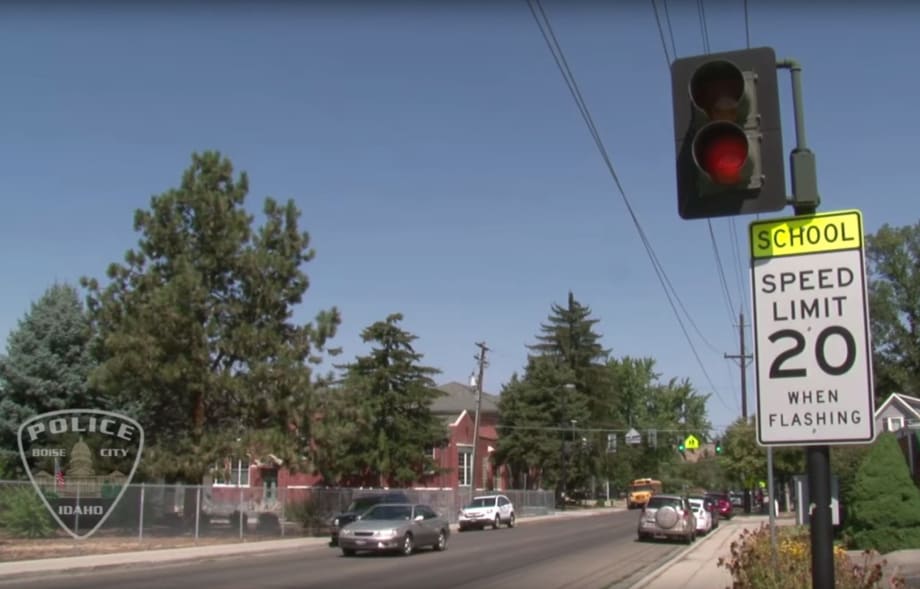
It’s back-to-school season again, so here are some timely tips from the National Safety Council that you can share with fleet drivers as a friendly reminder.
If You're Dropping Off . . .
Schools often have very specific drop-off procedures for the school year. Make sure you know them for the safety of all kids. More children are hit by cars near schools than at any other location, according to the National Safe Routes to School program. The following apply to all school zones:
Don’t double park; it blocks visibility for other children and vehicles.
Don’t load or unload children across the street from the school.
Carpool to reduce the number of vehicles at the school.
Sharing the Road with Young Pedestrians
According to research by the National Safety Council, most of the children who lose their lives in bus-related incidents are four to seven years old, and they’re walking. They are hit by the bus, or by a motorist illegally passing a stopped bus.
Here are some precautions drivers can take to help keep children safe:
Don’t block the crosswalk when stopped at a red light or waiting to make a turn, forcing pedestrians to go around you. This could put them in the path of moving traffic.
In a school zone when flashers are blinking, stop and yield to pedestrians crossing the crosswalk or intersection.
Always stop for a school patrol officer or crossing guard holding up a stop sign.
Take extra care to look out for children in school zones, near playgrounds and parks, and in all residential areas.
Don’t honk or rev your engine to scare a pedestrian, even if you have the right of way.
Never pass a vehicle stopped for pedestrians.
Always use extreme caution to avoid striking pedestrians wherever they may be, no matter who has the right of way.
Sharing the Road with School Buses
If you’re driving behind a bus, allow a greater following distance than if you were driving behind a car. It will give you more time to stop once the yellow lights start flashing. It is illegal in all 50 states to pass a school bus that is stopped to load or unload children.
Never pass a bus from behind — or from either direction if you’re on an undivided road — if it is stopped to load or unload children.
If the yellow or red lights are flashing and the stop arm is extended, traffic must stop.
The area 10 feet around a school bus is the most dangerous for children; stop far enough back to allow them space to safely enter and exit the bus.
Be alert. Children are often unpredictable, and they tend to ignore hazards and take risks.
Sharing the Road with Bicyclists
On most roads, bicyclists have the same rights and responsibilities as vehicles, but bikes can be hard to see. Children riding bikes create special problems for drivers because usually they are not able to properly determine traffic conditions. The most common cause of collision is a driver turning left in front of a bicyclist.
When passing a bicyclist, proceed in the same direction slowly, and leave 3 feet between your vehicle and the cyclist.
When turning left and a bicyclist is approaching in the opposite direction, wait for the rider to pass.
If you’re turning right and a bicyclist is approaching from behind on the right, let the rider go through the intersection first. Always use your turn signals.
Watch for bike riders turning in front of you without looking or signaling. Children especially have a tendency to do this.
Be extra vigilant in school zones and residential neighborhoods.
Watch for bikes coming from driveways or behind parked cars.
Check side mirrors before opening your door.
Originally posted on Automotive Fleet
More Safety
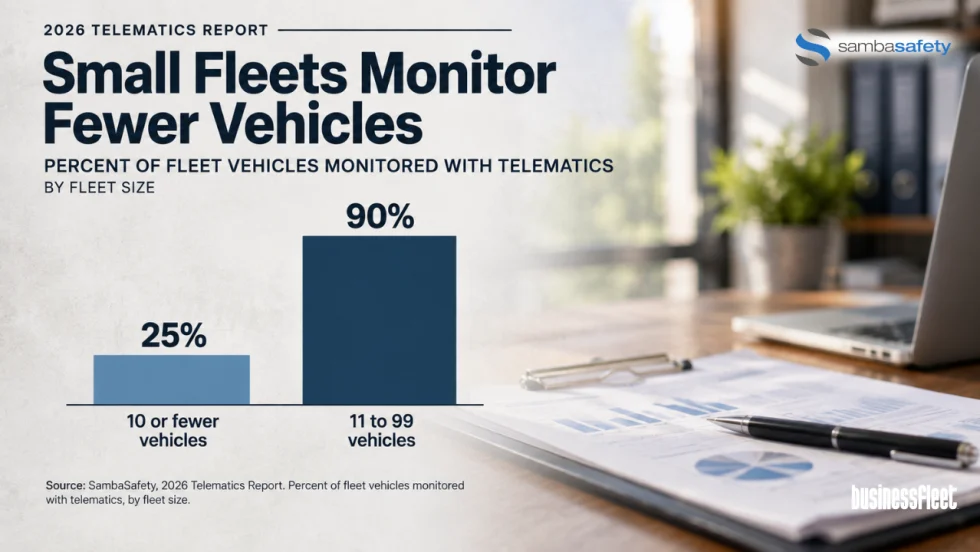
Small Fleets Lag in Telematics Coverage as Industry Moves Beyond Adoption
SambaSafety’s 2026 Telematics Report finds fleets with 10 or fewer vehicles monitor a much smaller share of their vehicles than larger operations, as the industry shifts its focus from collecting data to using it.
Read More →
Back-to-School Traffic Is Not the Risk Fleets Think It Is
Back-to-school traffic does not always mean more crashes. New Empiric Earth data shows why fleets should focus on when and where risk changes.
Read More →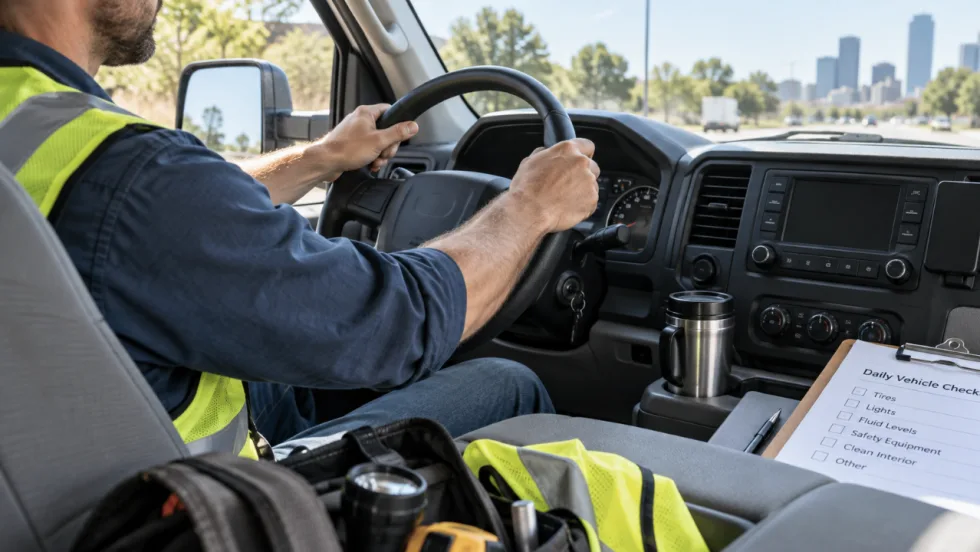
Small Fleet, Big Exposure: How to Reduce Workers’ Comp Risks
For small fleets, one crash can trigger far more than vehicle damage. Here’s how stronger driver safety policies, training, maintenance, and technology can help reduce workers’ comp exposure.
Read More →
Who Makes the Call When Winter Weather Gets Dangerous?
Winter weather can quickly change a small fleet’s plans. Knowing when to reroute, delay, or stop can matter just as much as preparing the vehicles themselves.
Read More →
API Issues Refueling Safety Guidelines
The American Petroleum Institute offers a list of safe vehicle refueling guidelines, including ways to avoid potential problems with static electricity discharges in fall, winter, and early spring.
Read More →
Winter Fleet Prep: Expert Tips to Keep Vehicles Running Smoothly
Cold weather can expose weak batteries, tires, fuel systems, and maintenance gaps fast. Use this winter fleet checklist to prepare trucks and drivers before temperatures drop.
Read More →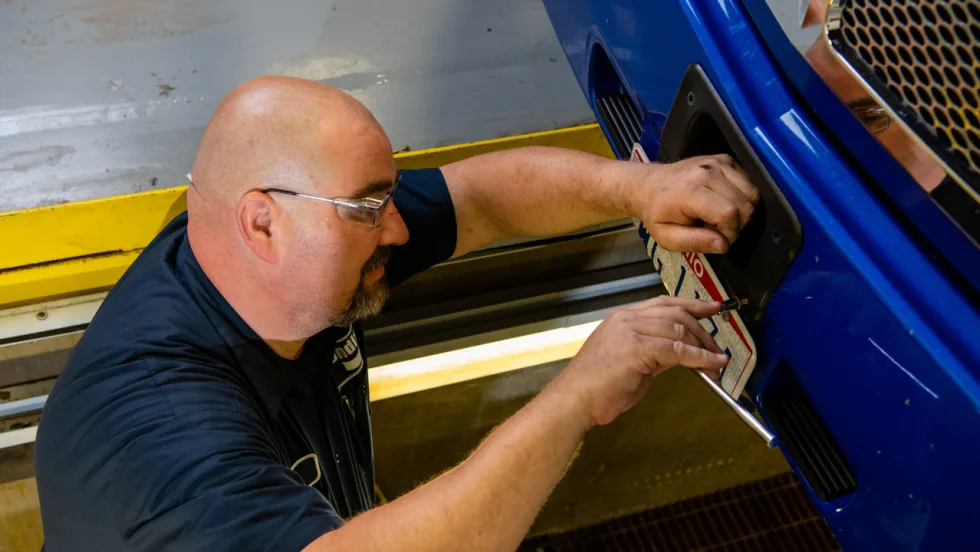
8 ADAS Maintenance Tips for Small Business Fleets From Bendix
A dirty camera, bad alignment, or one loose connection could quietly knock your fleet’s ADAS offline. Here’s what Bendix says to check.
Read More →
Developing Budget-Friendly Driver Safety Programs
From driver training and safety meetings to one-on-one coaching and incentive programs, several small fleets share how they have developed a safety culture with their drivers using low- to no-cost resources.
Read More →
A 20-Minute Safety Check for Small Fleets Before Operation Safe Driver Week
No safety department? No problem. Here's a practical checklist small fleet managers can use before Operation Safe Driver Week begins.
Read More →
Why Small Fleets Keep Getting Tripped Up by ELD Compliance
Roadcheck revealed a hard truth: most ELD violations aren't intentional. They're caused by small mistakes that can cost fleets time, money, and trust.
Read More →