


Safety Tip: Seat Belt Check List
As an IIHS survey underscores, some people don't bother to buckle up -- particularly when they're riding in the back seat. A simple reminder from the driver can make all occupants safer.

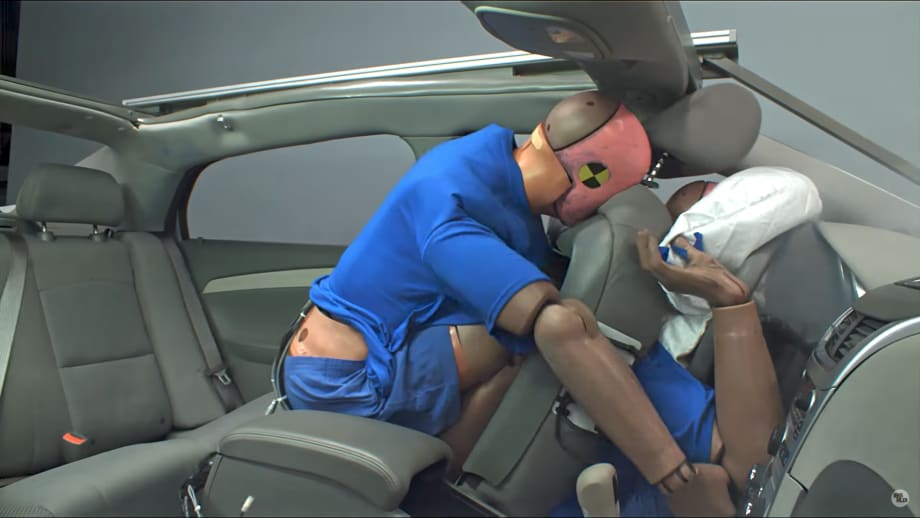
“Is everyone buckled up?”
It’s a good idea for fleet drivers to make this simple question a permanent part of their pre-trip routine whenever they have passengers. Unfortunately, some adults neglect to wear safety belts on every trip, especially when they’re riding in the back seat.
Last year, the Insurance Institute for Highway Safety conducted a seat-belt use survey between June and August. Of the 1,172 respondents who had been a rear passenger during the previous six months, 72% said they always buckle their seat belt in the back seat. In contrast, 91% said they always use their seat belt when seated in the front. That’s a noteworthy difference.
What many drivers don’t realize is that one passenger’s decision to ditch the seat belt can have consequences for other people in the vehicle. A 2013 study from the University of Virginia found that drivers are about twice as likely to suffer fatal injuries in a crash when the left rear passenger is unrestrained compared to when that passenger is wearing a seat belt.
“In the rear seat a lap/shoulder belt is the primary means of protection in a frontal crash,” said Jessica Jermakian, an IIHS senior research engineer who served as co-author of the study. “Without it, bodies can hit hard surfaces or other people at full speed, leading to serious injuries.”
Adults 35 to 54 years old are at a greater risk for neglecting to buckle up, according to the IIHS study. A total of 66% of the adults in this group reported always using a belt in back, compared with 76% of adults 55 and older and 73% of adults 18 to 34.
Nearly 40% of people surveyed said they sometimes don’t wear a seat belt in the back seat because there’s no law requiring it.
But 75% of those who don’t always wear a seat belt in the back said they would be more likely to wear one if someone in the car reminded them to do so. Moreover, nearly two-thirds of part-time seat belt users and nonusers acknowledged that audible rear-seat reminders would make them more likely to buckle up.
In 2015, safety belts saved an estimated 13,941 lives. And if everyone buckled up, an additional 2,800 deaths could have been prevented, according to the National Highway Traffic Safety Administration.
More than half of the people who die in passenger vehicle crashes in the U.S. each year are not wearing a seat belt.
Originally posted on Automotive Fleet
More Safety
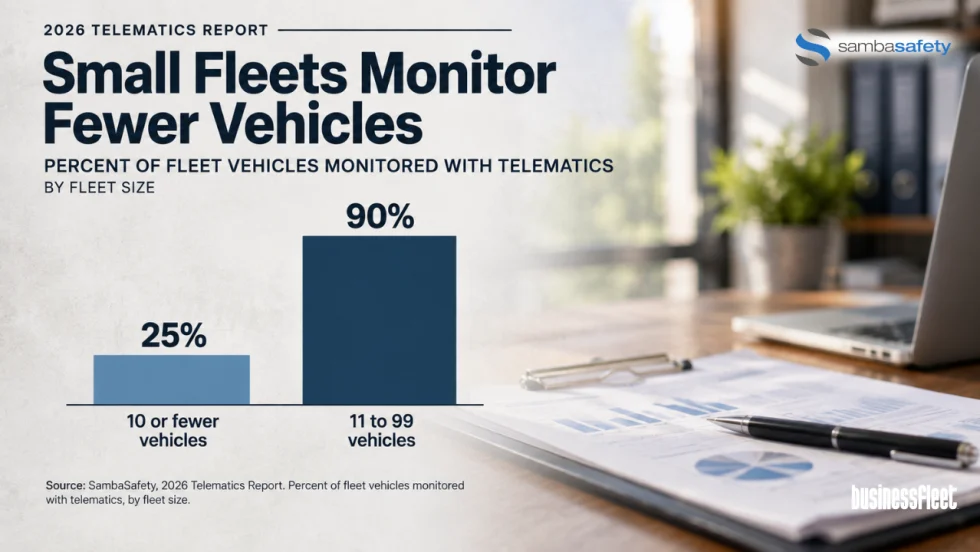
Small Fleets Lag in Telematics Coverage as Industry Moves Beyond Adoption
SambaSafety’s 2026 Telematics Report finds fleets with 10 or fewer vehicles monitor a much smaller share of their vehicles than larger operations, as the industry shifts its focus from collecting data to using it.
Read More →
Back-to-School Traffic Is Not the Risk Fleets Think It Is
Back-to-school traffic does not always mean more crashes. New Empiric Earth data shows why fleets should focus on when and where risk changes.
Read More →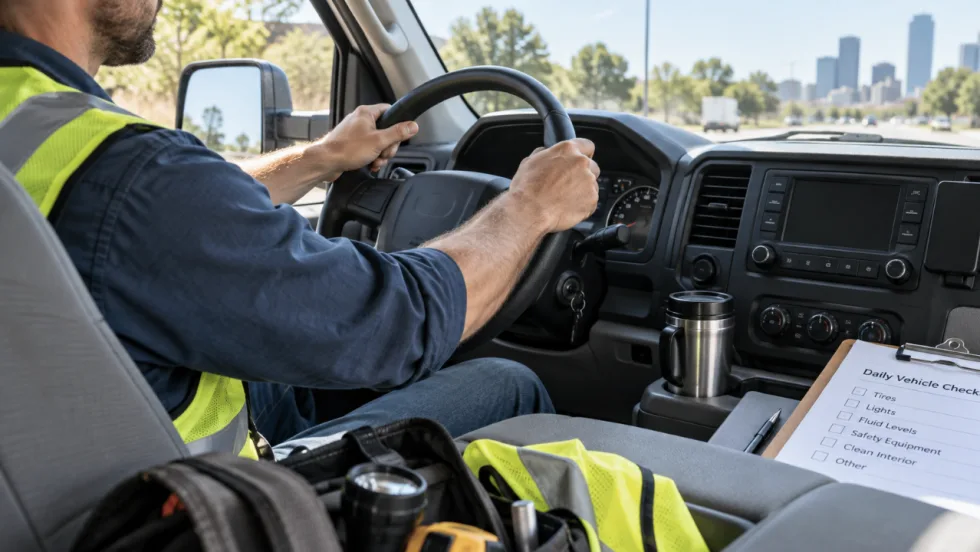
Small Fleet, Big Exposure: How to Reduce Workers’ Comp Risks
For small fleets, one crash can trigger far more than vehicle damage. Here’s how stronger driver safety policies, training, maintenance, and technology can help reduce workers’ comp exposure.
Read More →
Who Makes the Call When Winter Weather Gets Dangerous?
Winter weather can quickly change a small fleet’s plans. Knowing when to reroute, delay, or stop can matter just as much as preparing the vehicles themselves.
Read More →
API Issues Refueling Safety Guidelines
The American Petroleum Institute offers a list of safe vehicle refueling guidelines, including ways to avoid potential problems with static electricity discharges in fall, winter, and early spring.
Read More →
Winter Fleet Prep: Expert Tips to Keep Vehicles Running Smoothly
Cold weather can expose weak batteries, tires, fuel systems, and maintenance gaps fast. Use this winter fleet checklist to prepare trucks and drivers before temperatures drop.
Read More →
8 ADAS Maintenance Tips for Small Business Fleets From Bendix
A dirty camera, bad alignment, or one loose connection could quietly knock your fleet’s ADAS offline. Here’s what Bendix says to check.
Read More →
Developing Budget-Friendly Driver Safety Programs
From driver training and safety meetings to one-on-one coaching and incentive programs, several small fleets share how they have developed a safety culture with their drivers using low- to no-cost resources.
Read More →
A 20-Minute Safety Check for Small Fleets Before Operation Safe Driver Week
No safety department? No problem. Here's a practical checklist small fleet managers can use before Operation Safe Driver Week begins.
Read More →
Why Small Fleets Keep Getting Tripped Up by ELD Compliance
Roadcheck revealed a hard truth: most ELD violations aren't intentional. They're caused by small mistakes that can cost fleets time, money, and trust.
Read More →