


Safety Tip: Staying Focused on the Road
The National Safety Council has designated April as Distracted Driving Awareness Month. Here are some tips from AAA to help drivers avoid distraction and stay focused on the road.

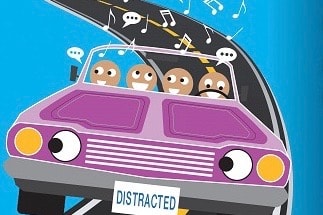
Photo: AAA
A March 29 collision in rural Texas claimed the lives of 13 people traveling in a minibus — all members of First Baptist Church of New Braunfels — and provided yet another tragic reminder of the dangers of texting while driving.
Jody Kuchler, who witnessed the crash 75 miles west of San Antonio, told the San Antonio Express-News that the driver of the pickup truck that struck the minibus admitted he had been texting at the time. Moments before the crash, Kuchler and his girlfriend, who were driving home, noticed the pickup truck’s erratic movement on the road. They contacted local police, but officers didn’t arrive at the scene until it was too late. The truck collided with the minibus after crossing the centerline.
Texas doesn’t have a statewide driver texting ban in place, though legislation is pending.
The National Safety Council has designated April as Distracted Driving Awareness Month, and the organization advises all employers to have a driver phone ban for all workers. NSC has materials to help companies and agencies conduct their own anti-distracted driving campaigns. To download campaign materials, click here. To download the National Safety Council’s cell phone policy kit, click here.
Below is advice from AAA to help drivers prevent distracted driving. You may want to pass these tips along to fleet drivers as a friendly reminder.
Fully focus on driving. Do not let anything divert your attention. Actively scan the road, use your mirrors and watch out for pedestrians and cyclists.
Store loose gear, possessions and other objects that could roll around in the car, so you do not feel tempted to reach for them on the floor or the seat.
Make adjustments before you begin your trip. Address vehicle systems like your GPS, seats, mirrors, climate controls and sound systems before hitting the road. Decide on your route and check traffic conditions ahead of time.
Finish dressing and personal grooming at home — before you get on the road.
Snack smart. If possible, eat meals or snacks before or after your trip, not while driving. On the road, avoid messy foods that can be difficult to manage.
Secure children and pets before getting underway. If they need your attention, pull off the road safely to care for them. Reaching into the backseat can cause you to lose control of the vehicle.
Put aside your electronic distractions. Don’t use cell phones while driving — handheld or hands-free — except in absolute emergencies. Never use text messaging, email functions, video games or the Internet with a wireless device, including those built into the vehicle, while driving.
If you have passengers, enlist their help so you can focus safely on driving.
If another activity demands your attention, instead of trying to attempt it while driving, pull off the road and stop your vehicle in a safe place. To avoid temptation, power down or stow devices before heading out. Drivers should use caution while using voice-activated systems, even at seemingly safe moments when there is a lull in traffic or the car is stopped at an intersection, because potentially dangerous distractions can last longer than most drivers expect.
As a general rule, if you cannot devote your full attention to driving because of some other activity, it’s a distraction. Take care of it before or after your trip, not while behind the wheel.
Originally posted on Automotive Fleet
More Safety
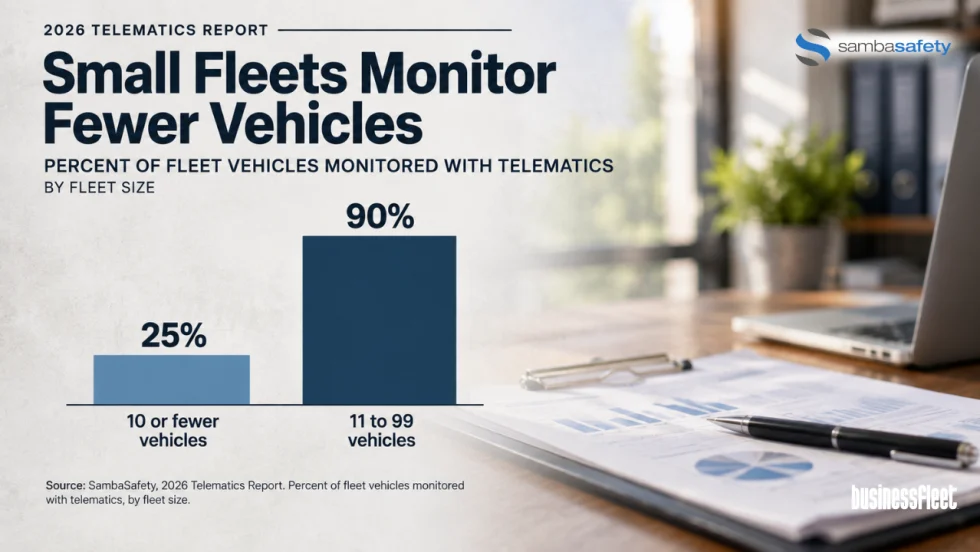
Small Fleets Lag in Telematics Coverage as Industry Moves Beyond Adoption
SambaSafety’s 2026 Telematics Report finds fleets with 10 or fewer vehicles monitor a much smaller share of their vehicles than larger operations, as the industry shifts its focus from collecting data to using it.
Read More →
Back-to-School Traffic Is Not the Risk Fleets Think It Is
Back-to-school traffic does not always mean more crashes. New Empiric Earth data shows why fleets should focus on when and where risk changes.
Read More →
Small Fleet, Big Exposure: How to Reduce Workers’ Comp Risks
For small fleets, one crash can trigger far more than vehicle damage. Here’s how stronger driver safety policies, training, maintenance, and technology can help reduce workers’ comp exposure.
Read More →
Who Makes the Call When Winter Weather Gets Dangerous?
Winter weather can quickly change a small fleet’s plans. Knowing when to reroute, delay, or stop can matter just as much as preparing the vehicles themselves.
Read More →
API Issues Refueling Safety Guidelines
The American Petroleum Institute offers a list of safe vehicle refueling guidelines, including ways to avoid potential problems with static electricity discharges in fall, winter, and early spring.
Read More →
Winter Fleet Prep: Expert Tips to Keep Vehicles Running Smoothly
Cold weather can expose weak batteries, tires, fuel systems, and maintenance gaps fast. Use this winter fleet checklist to prepare trucks and drivers before temperatures drop.
Read More →
8 ADAS Maintenance Tips for Small Business Fleets From Bendix
A dirty camera, bad alignment, or one loose connection could quietly knock your fleet’s ADAS offline. Here’s what Bendix says to check.
Read More →
Developing Budget-Friendly Driver Safety Programs
From driver training and safety meetings to one-on-one coaching and incentive programs, several small fleets share how they have developed a safety culture with their drivers using low- to no-cost resources.
Read More →
A 20-Minute Safety Check for Small Fleets Before Operation Safe Driver Week
No safety department? No problem. Here's a practical checklist small fleet managers can use before Operation Safe Driver Week begins.
Read More →
Why Small Fleets Keep Getting Tripped Up by ELD Compliance
Roadcheck revealed a hard truth: most ELD violations aren't intentional. They're caused by small mistakes that can cost fleets time, money, and trust.
Read More →