



Background News: Half of Small Pickups Tested Score Good Ratings in Crash Tests
Small Pickups Show Deficiencies in Back Seat Safety
A recent Insurance Institute for Highway Safety evaluation of five small crew cab pickups indicate that manufacturers need to improve back seat protection.
July 11, 2023

While the five crew cab pickups tested provided solid protection in the front seat, there was a slightly higher risk of leg or foot injuries to the driver in the Toyota Tacoma and Jeep Gladiator, according to IIHS evaluations.
Photo: Pexels / Athena
3 min to read
None of the of the five small crew cab pickups that recently underwent an updated moderate overlap front crash test rolled away with a good score.
Rather, three vehicles — the Chevrolet Colorado, Jeep Gladiator, and Toyota Tacoma — rated poor, the Ford Ranger earned a marginal rating, and the Nissan Frontier scored an acceptable rating.
The Insurance Institute for Highway Safety (IIHS) launched the updated evaluation last year after research found that in newer vehicles the likelihood of a fatal injury is now higher for belted occupants in the rear than for those in the front seat.
IIHS experts say that the latest tests pointed to a common problem among the crew cab pickups. Specifically, the rear passenger dummy's head came dangerously close to the front seatback, and in many cases, dummy measurements indicated a risk of neck or chest injuries. The bottom line is that rear seat belts need improvement, say IIHS experts.
The updated test adds a dummy in the back seat behind the driver. Ultimately, the goal is to motivate automakers to improve rear-seat protection. IIHS researchers also developed new metrics that focus on the injuries most frequently seen in back-seat passengers.
Here’s how the test works:
For a vehicle to earn a good rating, there can’t be an excessive risk of injury to the head, neck, chest, or thigh, as recorded by the second-row dummy. The dummy should remain correctly positioned during the crash without sliding forward beneath the lap belt. The head should also remain a safe distance from the front seatback and the rest of the vehicle interior.
While the five crew cab pickups tested provided solid protection in the front seat, there was a slightly higher risk of leg or foot injuries to the driver in the Gladiator and Tacoma. But it was the back seat where protection fell far too short for all five vehicles.
For example, in the Colorado, Frontier, Ranger, and Tacoma, the restraints in the back seat allowed the rear dummy’s head to come too close to the front seatback.
Meanwhile, the Gladiator exhibited a different problem. Its rear restraints do not include a side curtain airbag, increasing the risk of injury from a hard impact with the interior of the vehicle or even something outside it.
A second problem for the Ranger was the fact that the dummy slipped beneath the lap belt, causing it to ride up from the ideal position on the pelvis onto the abdomen, which increases the risk of internal injuries.
Finally, the crash evaluation indicated a moderate or likely risk of both neck and chest injuries in the poor-rated Colorado, Gladiator, and Tacoma and a moderate risk of chest injuries in the marginal-rated Ranger.
Originally posted on Automotive Fleet
More Safety
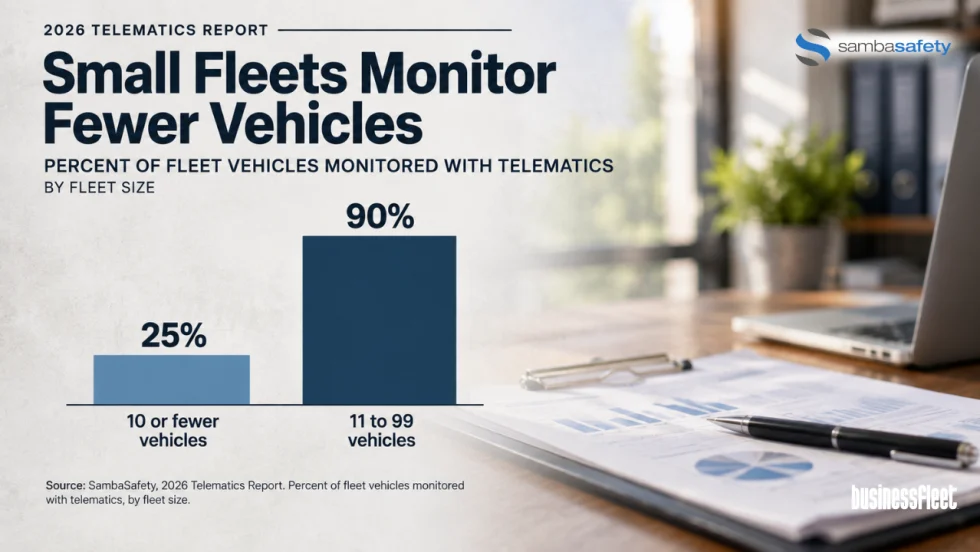
Small Fleets Lag in Telematics Coverage as Industry Moves Beyond Adoption
SambaSafety’s 2026 Telematics Report finds fleets with 10 or fewer vehicles monitor a much smaller share of their vehicles than larger operations, as the industry shifts its focus from collecting data to using it.
Read More →
Back-to-School Traffic Is Not the Risk Fleets Think It Is
Back-to-school traffic does not always mean more crashes. New Empiric Earth data shows why fleets should focus on when and where risk changes.
Read More →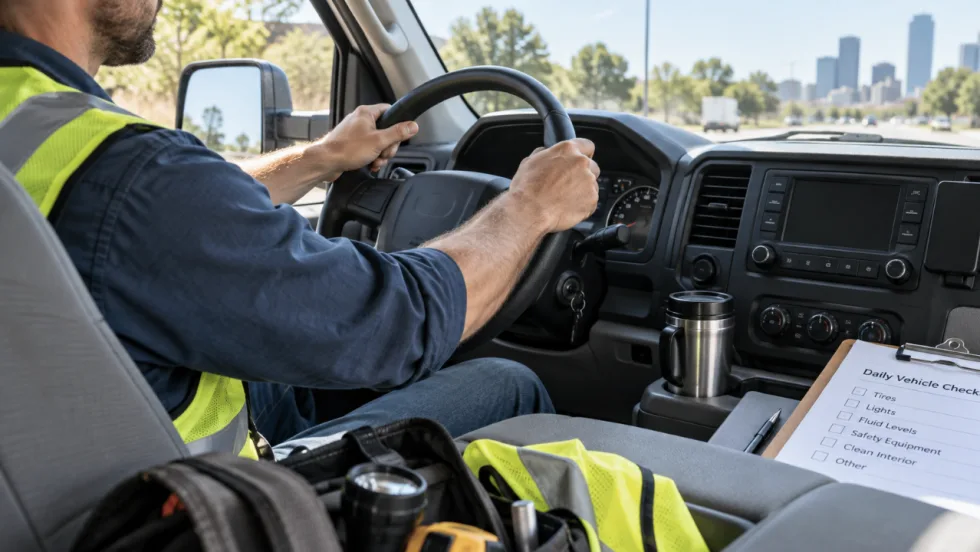
Small Fleet, Big Exposure: How to Reduce Workers’ Comp Risks
For small fleets, one crash can trigger far more than vehicle damage. Here’s how stronger driver safety policies, training, maintenance, and technology can help reduce workers’ comp exposure.
Read More →
Who Makes the Call When Winter Weather Gets Dangerous?
Winter weather can quickly change a small fleet’s plans. Knowing when to reroute, delay, or stop can matter just as much as preparing the vehicles themselves.
Read More →
API Issues Refueling Safety Guidelines
The American Petroleum Institute offers a list of safe vehicle refueling guidelines, including ways to avoid potential problems with static electricity discharges in fall, winter, and early spring.
Read More →
Winter Fleet Prep: Expert Tips to Keep Vehicles Running Smoothly
Cold weather can expose weak batteries, tires, fuel systems, and maintenance gaps fast. Use this winter fleet checklist to prepare trucks and drivers before temperatures drop.
Read More →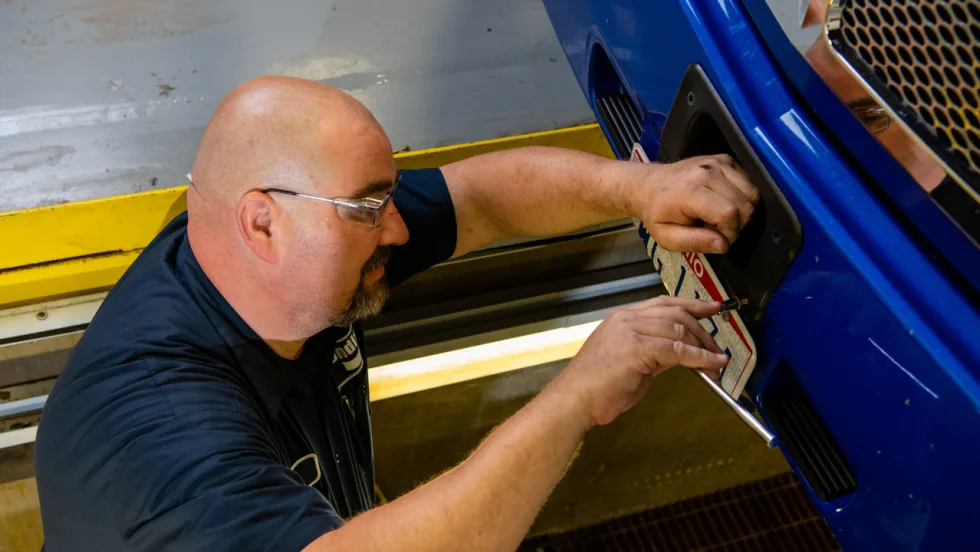
8 ADAS Maintenance Tips for Small Business Fleets From Bendix
A dirty camera, bad alignment, or one loose connection could quietly knock your fleet’s ADAS offline. Here’s what Bendix says to check.
Read More →
Developing Budget-Friendly Driver Safety Programs
From driver training and safety meetings to one-on-one coaching and incentive programs, several small fleets share how they have developed a safety culture with their drivers using low- to no-cost resources.
Read More →
A 20-Minute Safety Check for Small Fleets Before Operation Safe Driver Week
No safety department? No problem. Here's a practical checklist small fleet managers can use before Operation Safe Driver Week begins.
Read More →
Why Small Fleets Keep Getting Tripped Up by ELD Compliance
Roadcheck revealed a hard truth: most ELD violations aren't intentional. They're caused by small mistakes that can cost fleets time, money, and trust.
Read More →