


Tire Maintenance Tips for Fleets
In recognition of National Tire Safety Week, here are some tire maintenance tips from the National Highway Traffic Safety Administration.

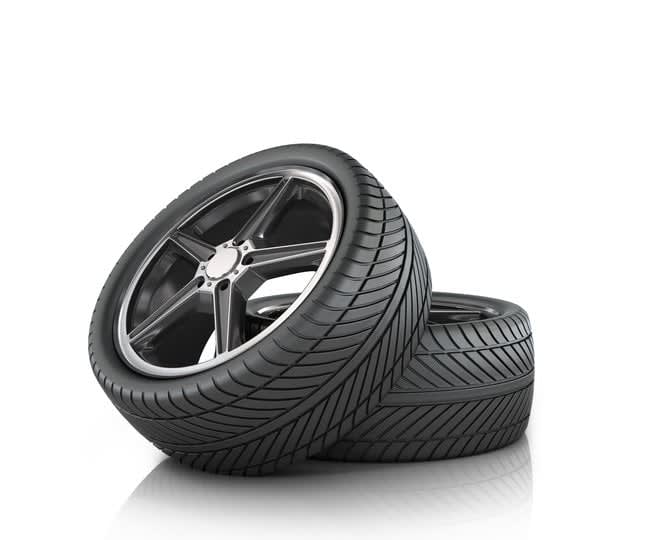
Photo courtesy of NHTSA.
National Tire Safety Week is May 28 to June 3 this year, so now is a good time to remind fleet drivers to make tire maintenance a priority throughout the year. Here’s advice from the National Highway Traffic Safety Administration:
Check tire pressure regularly (at least once a month), including the spare.
Inspect tires for uneven wear patterns on the tread, cracks, foreign objects, or other signs of wear or trauma. Remove bits of glass and other foreign objects wedged in the tread.
Make sure your tire valves have valve caps.
Check tire pressure before going on a long trip.
Do not overload your vehicle. Check the tire information placard or owner’s manual for the maximum recommended load for the vehicle.
If you are towing a trailer, remember that some of the weight of the loaded trailer is transferred to the towing vehicle.
Slow down if you have to go over a pothole or other object in the road.
Do not run over curbs, and try not to strike the curb when parking.
There’s Safety In Numbers
You can find the numbers for recommended tire pressure and vehicle load limit on the tire information placard and in the vehicle owner’s manual. Tire placards are permanent labels attached to the vehicle door edge, doorpost, glove-box door, or inside of the trunk lid. Once you’ve located this information, use it to check your tire pressure and to make sure your vehicle is not overloaded — especially when you head out for a long trip.
Checking Tire Pressure
Because tires may naturally lose air over time, it's important to check your tire pressure at least once a month. For convenience, keep a tire pressure gauge in your vehicle.
Remember, the tire inflation number that vehicle manufacturers provide reflects the proper pounds per square inch (psi) when a tire is cold. To get an accurate tire pressure reading, measure tire pressure when the car has been unused for at least three hours.
Step 1: Locate the correct tire pressure on the tire information placard or in the owner’s manual.
Step 2: Record the tire pressure of all tires.
Step 3: If the tire pressure is too high in any of the tires, slowly release air by gently pressing on the tire valve with the edge of your tire gauge until you get to the correct pressure.
Step 4: If the tire pressure is too low, note the difference between the measured tire pressure and the correct tire pressure. These “missing” pounds of pressure are what you will need to add.
Step 5: At a service station, add the missing pounds of air pressure to each tire that is underinflated.
Step 6: Check all the tires to make sure they have the same air pressure (except in cases in which the front and rear tires are supposed to have different amounts of pressure).
Checking Tire Tread
Tires have built-in treadwear indicators that let you know when it's time to replace your tires. These indicators are raised sections spaced intermittently in the bottom of the tread grooves. When they appear even with the outside of the tread, it's time to replace your tires.
You can also test your tread with a Lincoln penny. Simply turn the penny so Lincoln’s head is pointing down and insert it into the tread. If the tread doesn’t cover Lincoln’s head, it’s time to replace your tires.
Originally posted on Automotive Fleet
More Safety

Small Fleets Lag in Telematics Coverage as Industry Moves Beyond Adoption
SambaSafety’s 2026 Telematics Report finds fleets with 10 or fewer vehicles monitor a much smaller share of their vehicles than larger operations, as the industry shifts its focus from collecting data to using it.
Read More →
Back-to-School Traffic Is Not the Risk Fleets Think It Is
Back-to-school traffic does not always mean more crashes. New Empiric Earth data shows why fleets should focus on when and where risk changes.
Read More →
Small Fleet, Big Exposure: How to Reduce Workers’ Comp Risks
For small fleets, one crash can trigger far more than vehicle damage. Here’s how stronger driver safety policies, training, maintenance, and technology can help reduce workers’ comp exposure.
Read More →
Who Makes the Call When Winter Weather Gets Dangerous?
Winter weather can quickly change a small fleet’s plans. Knowing when to reroute, delay, or stop can matter just as much as preparing the vehicles themselves.
Read More →
API Issues Refueling Safety Guidelines
The American Petroleum Institute offers a list of safe vehicle refueling guidelines, including ways to avoid potential problems with static electricity discharges in fall, winter, and early spring.
Read More →
Winter Fleet Prep: Expert Tips to Keep Vehicles Running Smoothly
Cold weather can expose weak batteries, tires, fuel systems, and maintenance gaps fast. Use this winter fleet checklist to prepare trucks and drivers before temperatures drop.
Read More →
8 ADAS Maintenance Tips for Small Business Fleets From Bendix
A dirty camera, bad alignment, or one loose connection could quietly knock your fleet’s ADAS offline. Here’s what Bendix says to check.
Read More →
Developing Budget-Friendly Driver Safety Programs
From driver training and safety meetings to one-on-one coaching and incentive programs, several small fleets share how they have developed a safety culture with their drivers using low- to no-cost resources.
Read More →
A 20-Minute Safety Check for Small Fleets Before Operation Safe Driver Week
No safety department? No problem. Here's a practical checklist small fleet managers can use before Operation Safe Driver Week begins.
Read More →
Why Small Fleets Keep Getting Tripped Up by ELD Compliance
Roadcheck revealed a hard truth: most ELD violations aren't intentional. They're caused by small mistakes that can cost fleets time, money, and trust.
Read More →