


Video Safety Tip: Dealing With Black Ice
The Maine Occupational Safety and Health Administration offers advice for dealing with one of the most dangerous winter driving hazards.

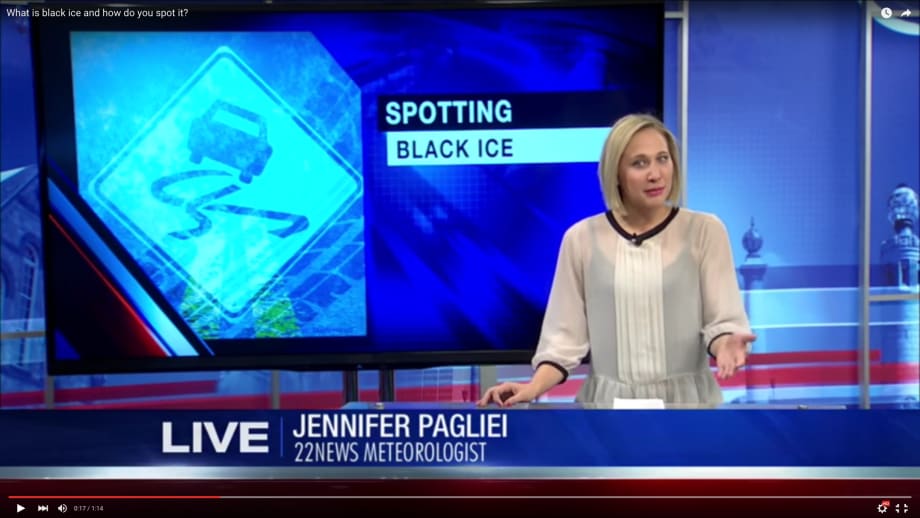
A thin layer of ice can form from melting snow running across the road or even condensation from overnight dew.
Photo: YouTube Screen Capture
It’s black ice season in much of the country — time to remind fleet drivers of one of the deadliest of all winter driving hazards.
What some drivers forget is that black ice can form even when it’s not raining or snowing, and this road hazard is often difficult to spot. A thin layer of ice can form from melting snow running across the road or even condensation from overnight dew.
The Maine Occupational Safety and Health Administration offers these tips for dealing with black ice. You may want to pass this advice along to fleet drivers.
What to Watch out For with Black Ice
Pavement that looks dark, wet or like new asphalt
Low-lying areas that may have standing water or runoff from nearby melting snow banks or puddles
Bridges and underpasses
Any road areas that are shaded from the sun
Any time the temperature is below 40 degrees F
Vehicles that have slid off the road under any of the above conditions.
Safety Precautions Commercial Drivers Can Take
Remember, not all cars respond the same to icy, slippery roads. For that reason, knowing how to handle your vehicle and how it responds in various weather conditions is important. AAA recommends that motorists practice slow-speed maneuvers on an empty snow- or ice-covered parking lot. You should also look through your owner’s manual and familiarize yourself with your vehicle's braking system and other features.
Wear safety belts every time you get into a vehicle. Be sure all children and passengers are secured in proper restraints, too.
Slow down. Posted speed limits are for ideal travel conditions. Driving at reduced speeds is the best precautionary measure against any misfortune while driving on slippery roads. Allow more time to travel. Resist the temptation to drive faster. Allow extra time — not only for the reduced speeds but for potential problems on the road.
When roads are wet or look wet, watch the vehicle in front of you. If it isn’t leaving tracks or its wheels are not “throwing” water, the road is probably covered in black ice and not just wet.
Look well ahead to compensate for the greater distances required when driving on slippery surfaces, and focus your attention as far ahead as possible — at least 20 to 30 seconds.
Drive with your headlights on. This will turn on your taillights and allow others to see you almost twice as far away. Being visible will give others time to avoid hitting you.
Be especially cautious when driving your car into shaded areas, and slow your vehicle down when you encounter such areas.
Avoid driving while fatigued.
Maintain more space. Increase your margin of safety. Don't tailgate. Maintain a minimum of eight to 10 seconds in following distance.
Anticipate problems. On slick surfaces, any abrupt maneuver will increase the probability of losing vehicle control. Skids can best be avoided by anticipating lane changes, turns and curves. Slow down in advance and make smooth, precise movements of the steering wheel.
Use chains in deep snow and on icy surfaces. Check state and local laws before installing chains, and drive at slower speeds to avoid damage to the tires and vehicle.
Don’t use cruise control. Winter driving requires you to be in full control.
Steer with smooth and precise movements. Changing lanes too quickly and jerky steering while braking or accelerating can cause skidding.
Braking Tips for Black Ice
Braking with anti-lock brakes — Apply the brakes. Don’t remove your foot from the brake pedal or pump the brakes. The ABS should keep the brakes from locking while allowing you to steer as you continue to slow the vehicle down.
Braking without anti-lock brakes — Use the heel-and-toe method. Keep your heel on the floor and use your toes to press the brake pedal firmly, just short of locking up the wheels. If the wheels lock, release the pressure on the pedal, and press again in the same way. Repeat this until you come to a full stop.
In both cases, if your vehicle begins to skid, remember to steer in the direction of the skid. You may also find it advantageous to put your transmission in neutral while trying to stop on black ice.
Originally posted on Automotive Fleet
More Safety
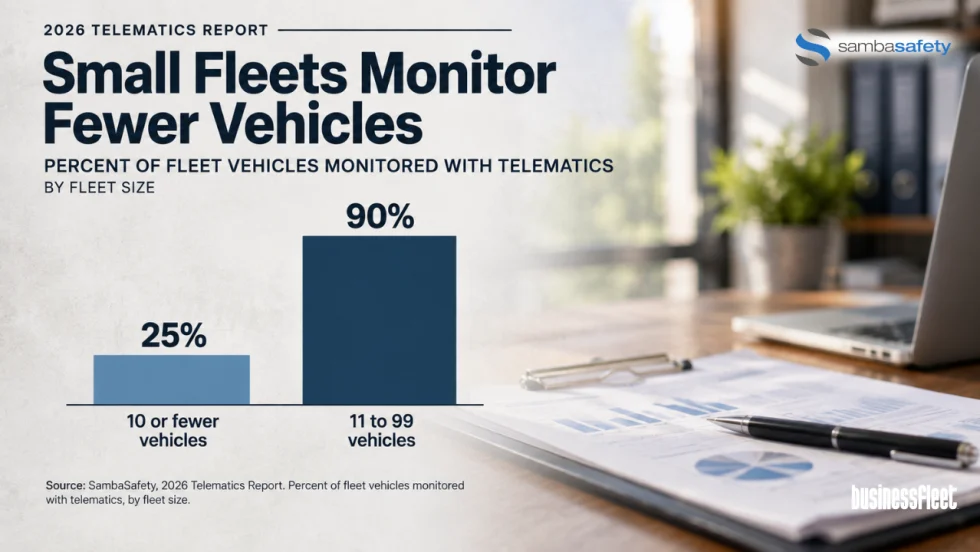
Small Fleets Lag in Telematics Coverage as Industry Moves Beyond Adoption
SambaSafety’s 2026 Telematics Report finds fleets with 10 or fewer vehicles monitor a much smaller share of their vehicles than larger operations, as the industry shifts its focus from collecting data to using it.
Read More →
Back-to-School Traffic Is Not the Risk Fleets Think It Is
Back-to-school traffic does not always mean more crashes. New Empiric Earth data shows why fleets should focus on when and where risk changes.
Read More →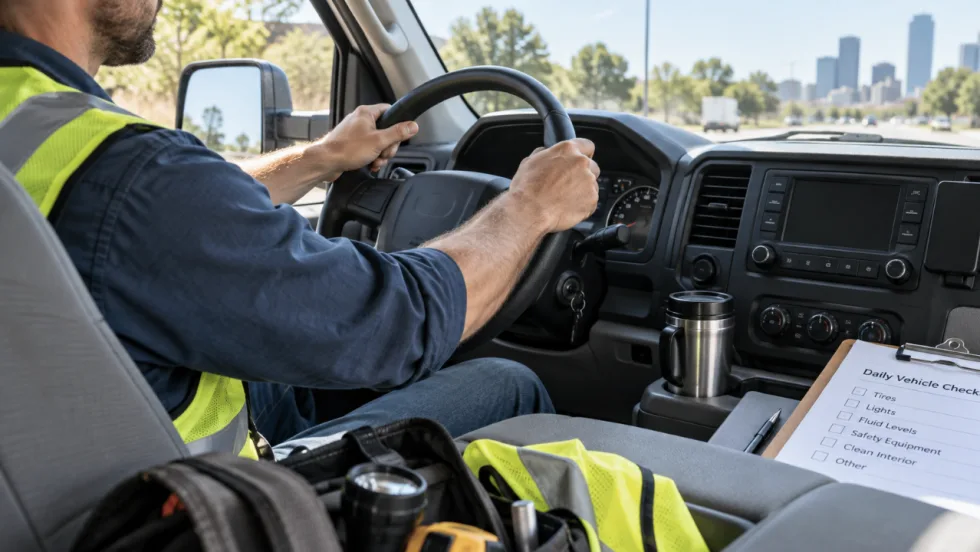
Small Fleet, Big Exposure: How to Reduce Workers’ Comp Risks
For small fleets, one crash can trigger far more than vehicle damage. Here’s how stronger driver safety policies, training, maintenance, and technology can help reduce workers’ comp exposure.
Read More →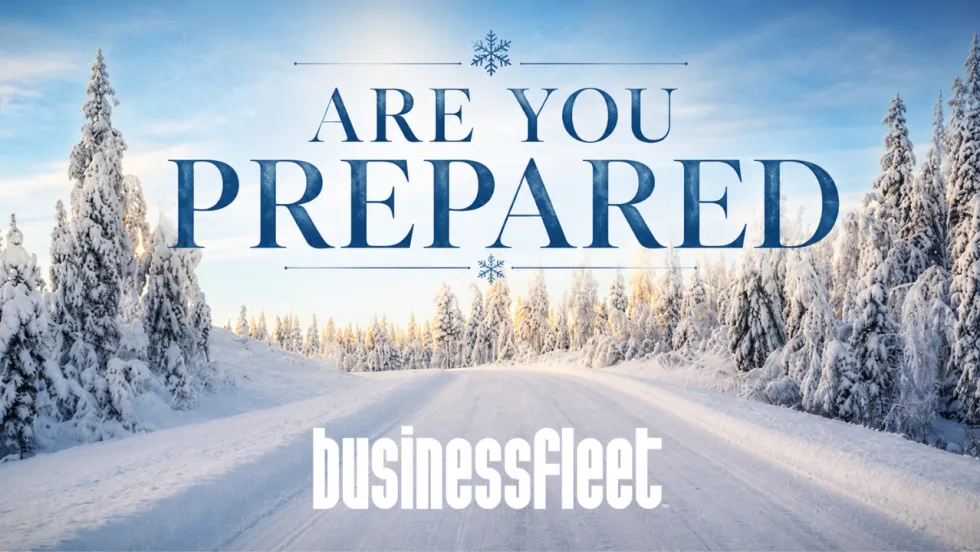
Who Makes the Call When Winter Weather Gets Dangerous?
Winter weather can quickly change a small fleet’s plans. Knowing when to reroute, delay, or stop can matter just as much as preparing the vehicles themselves.
Read More →
API Issues Refueling Safety Guidelines
The American Petroleum Institute offers a list of safe vehicle refueling guidelines, including ways to avoid potential problems with static electricity discharges in fall, winter, and early spring.
Read More →
Winter Fleet Prep: Expert Tips to Keep Vehicles Running Smoothly
Cold weather can expose weak batteries, tires, fuel systems, and maintenance gaps fast. Use this winter fleet checklist to prepare trucks and drivers before temperatures drop.
Read More →
8 ADAS Maintenance Tips for Small Business Fleets From Bendix
A dirty camera, bad alignment, or one loose connection could quietly knock your fleet’s ADAS offline. Here’s what Bendix says to check.
Read More →
Developing Budget-Friendly Driver Safety Programs
From driver training and safety meetings to one-on-one coaching and incentive programs, several small fleets share how they have developed a safety culture with their drivers using low- to no-cost resources.
Read More →
A 20-Minute Safety Check for Small Fleets Before Operation Safe Driver Week
No safety department? No problem. Here's a practical checklist small fleet managers can use before Operation Safe Driver Week begins.
Read More →
Why Small Fleets Keep Getting Tripped Up by ELD Compliance
Roadcheck revealed a hard truth: most ELD violations aren't intentional. They're caused by small mistakes that can cost fleets time, money, and trust.
Read More →