


Wash. Gets Stricter Distracted Driving Law
The new state law, which takes effect July 23, prohibits driver use of handheld electronic devices.

Washington State’s new anti-distracted driving law, which bans the use of handheld electronic devices while driving on a public highway, goes into effect on July 23 — much sooner than legislators had originally expected.
When Washington Gov. Jay Inslee signed the bill, but he vetoed a legislative compromise that postponed the bill’s enforcement until Jan. 1, 2019. “Public safety is better served by implementing this bill this year,” Inslee stated in his partial-veto message. He signed the legislation during a ceremony in Tacoma on May 16.
Washington already has a driver texting ban, but the new law is broader. For example, a driver won’t be permitted to shoot photos or video using a cell phone — even while waiting at a stoplight — or to hold a device to watch a video.
A first violation carries a base penalty of $48 and a total penalty of $136. Second and subsequent violations double the base penalty to $96, resulting in a total fine of about $235.
The law applies to a range of portable electronic devices, including tablets and gaming systems. Drivers, however, will still be able to use a smartphone secured in a dashboard-mounted cradle or use an in-vehicle system for hands-free navigation and phone calls. “Minimal use of a finger” is allowed to activate, deactivate or initiate a device function.
The law also doesn’t apply to the use of two-way radio, citizen band radio or amateur radio equipment.
Violations of the new law will become part of the driver’s record that insurers can access and take into account when setting rates. The law, known as the Driving Under the Influence of Electronics Act, is a primary-enforcement law. As such, police can pull over a driver solely for a violation of this law — they don’t need to witness another moving violation to do so.
The law provides some exemptions for emergency workers and transit system employees, as well as for drivers summoning emergency services. Also exempted are commercial vehicle drivers using handheld devices that are required by their employer and are compliant with federal law.
Dangerous distracted driving behavior unrelated to handheld electronic devices — for example, putting on makeup or shaving while driving — will also be subject to fine when the actions interfere with the safe operation of a vehicle on any highway. But this new infraction may only be enforced as a secondary offense. The base penalty for this violation is $30, with a total fine of about $100. The $30 base penalty will be appropriated for programs dedicated to distracted driving prevention.
Originally posted on Automotive Fleet
More Safety
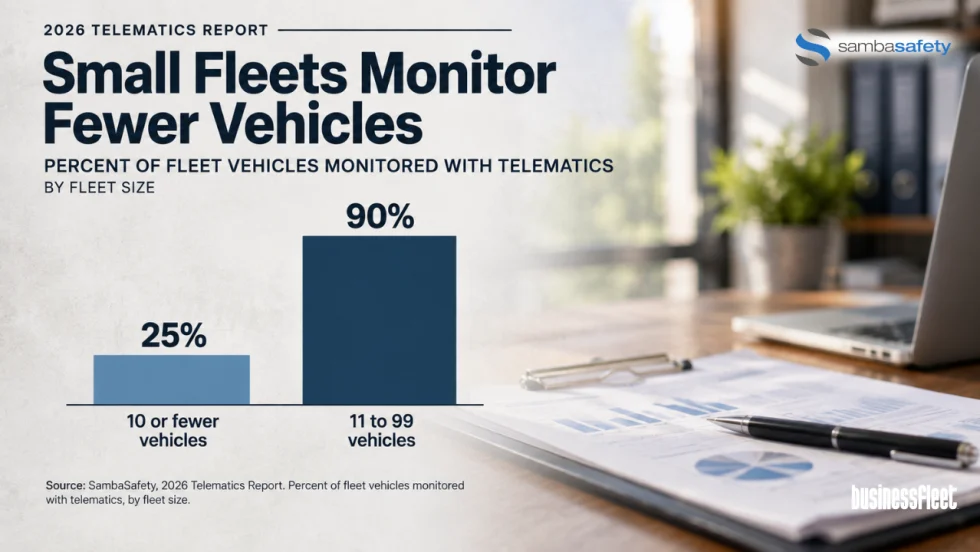
Small Fleets Lag in Telematics Coverage as Industry Moves Beyond Adoption
SambaSafety’s 2026 Telematics Report finds fleets with 10 or fewer vehicles monitor a much smaller share of their vehicles than larger operations, as the industry shifts its focus from collecting data to using it.
Read More →
Back-to-School Traffic Is Not the Risk Fleets Think It Is
Back-to-school traffic does not always mean more crashes. New Empiric Earth data shows why fleets should focus on when and where risk changes.
Read More →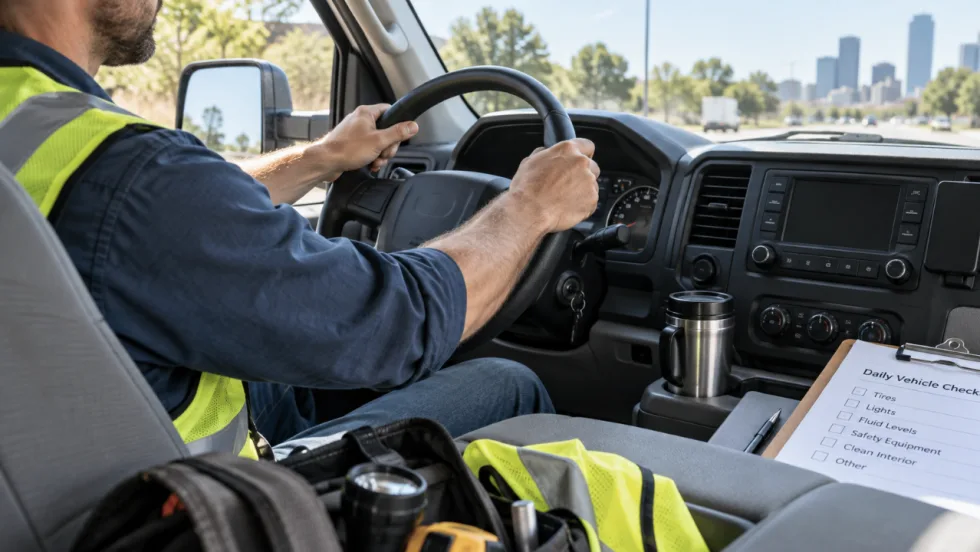
Small Fleet, Big Exposure: How to Reduce Workers’ Comp Risks
For small fleets, one crash can trigger far more than vehicle damage. Here’s how stronger driver safety policies, training, maintenance, and technology can help reduce workers’ comp exposure.
Read More →
Who Makes the Call When Winter Weather Gets Dangerous?
Winter weather can quickly change a small fleet’s plans. Knowing when to reroute, delay, or stop can matter just as much as preparing the vehicles themselves.
Read More →
API Issues Refueling Safety Guidelines
The American Petroleum Institute offers a list of safe vehicle refueling guidelines, including ways to avoid potential problems with static electricity discharges in fall, winter, and early spring.
Read More →
Winter Fleet Prep: Expert Tips to Keep Vehicles Running Smoothly
Cold weather can expose weak batteries, tires, fuel systems, and maintenance gaps fast. Use this winter fleet checklist to prepare trucks and drivers before temperatures drop.
Read More →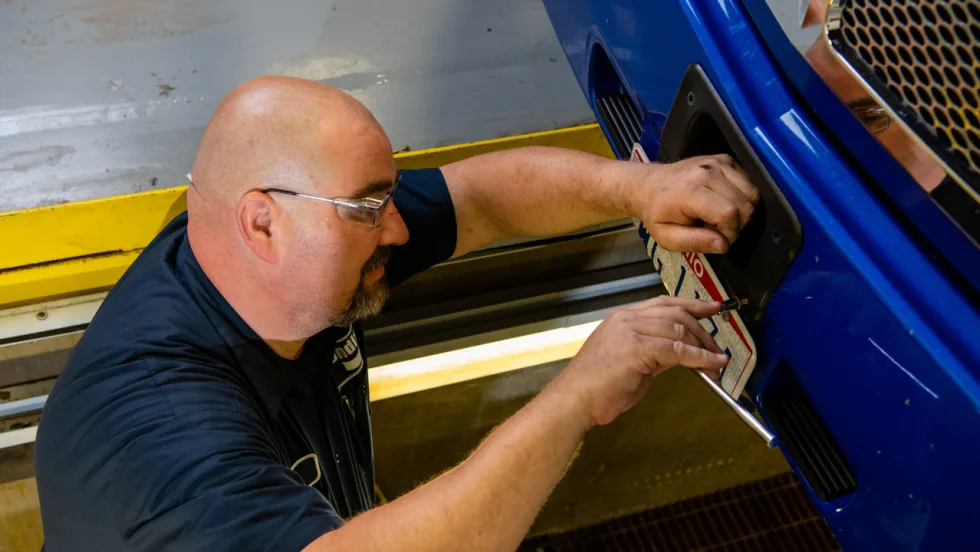
8 ADAS Maintenance Tips for Small Business Fleets From Bendix
A dirty camera, bad alignment, or one loose connection could quietly knock your fleet’s ADAS offline. Here’s what Bendix says to check.
Read More →
Developing Budget-Friendly Driver Safety Programs
From driver training and safety meetings to one-on-one coaching and incentive programs, several small fleets share how they have developed a safety culture with their drivers using low- to no-cost resources.
Read More →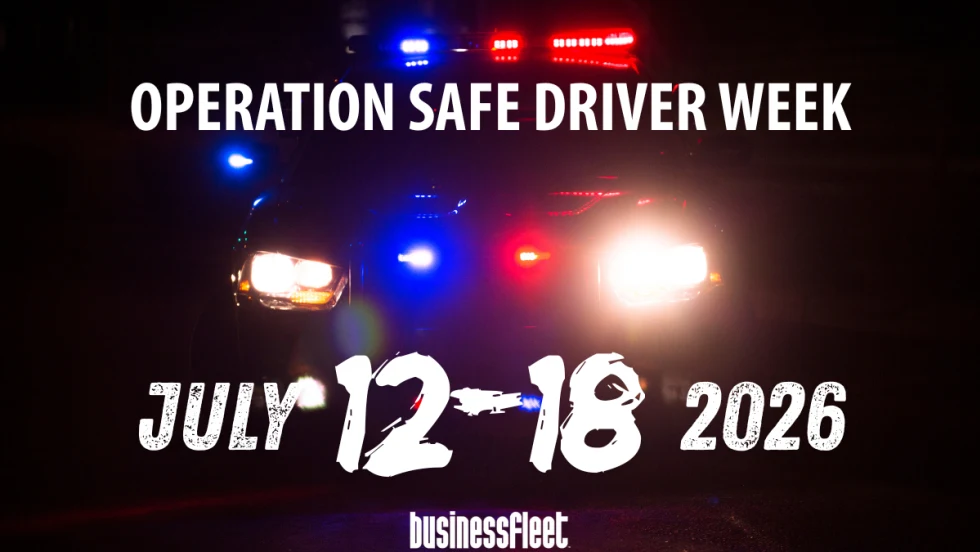
A 20-Minute Safety Check for Small Fleets Before Operation Safe Driver Week
No safety department? No problem. Here's a practical checklist small fleet managers can use before Operation Safe Driver Week begins.
Read More →
Why Small Fleets Keep Getting Tripped Up by ELD Compliance
Roadcheck revealed a hard truth: most ELD violations aren't intentional. They're caused by small mistakes that can cost fleets time, money, and trust.
Read More →