


Work Demands Contribute to Distracted Driving Behaviors
Drivers continue to struggle to obey state laws that prevent cell phone use, due in part by demands or pressure from work that lead drivers to read or send emails while driving.


Drivers continue to struggle to obey state laws that prevent cell phone use, due in part by demands or pressure from work that lead drivers to read or send emails while driving.
Photo: NSC
Drivers continue to struggle to obey state laws that prevent cell phone use, due in part by demands or pressure from work that lead drivers to read or send emails while driving, according to a survey released by the National Safety Council (NSC) and TRUCE Software.
In the survey of 2,001 registered drivers ages 25 and older across the country, 46% say “demands or pressure from work” leads them to glance at, read, or send emails while driving.
Further, NSC and TRUCE said it urges employers to promote a safe driving culture, something the survey indicated many companies may not foster effectively enough. Since October is Distracted Driving Awareness Month, NSC and the observation’s lead sponsor, TRUCE, a company dedicated to decreasing workplace distraction and improving worker safety, are urging employers to enact distracted driving policies at their workplaces to compensate for many drivers’ unwillingness to adhere to state laws.
“Employers are in a unique position to influence behaviors across large groups of individuals by making sure they have the right policies in place and the tools to enforce those policies, changing not just what happens behind the while but also how the rest of the organization communicates with their driving coworkers,” said Joe Boyle, CEO of TRUCE.
The study also observed that approximately 62% of drivers are “very willing” to obey cell phone use laws.
Thousands die each year in distracted driving crashes, though National Safety Council investigations show these crashes are significantly underreported and undercounted, according to the coucil. Despite 48 states banning texting while driving, and 25 states banning handheld use, drivers responding to the NSC-TRUCE survey indicated it will take more than laws to change their behaviors.
Approximately, 61% said they would need to be involved in a near-miss – and 59% said they would have to be involved in a fatal crash – to be dissuaded from using technology while driving. Another 58% cited state laws and 52% cited federal laws as being enough to change behavior. Encouragingly, 56% said they believe employers policies are effective distracted driving deterrents.
Other important findings from the poll include:
More than 65% of drivers would be willing to turn around to get their phone if they realize they didn’t have it within the first 15 minutes of driving.
81% of drivers said they’ve seen other drivers almost cause a crash because they were distracted.
59% of respondents say pressure from family would motivate them the most to answer or make a cell phone call while driving.
Nearly 14% of drivers admitted they would participate in video chat or watch streaming video if there were no laws prohibiting it.
32% of drivers still think they can use their phone safely as long as they pay attention to the road.
Also, 57% say that if their vehicle came pre-set with solutions to eliminate distraction while driving, they would not turn the features off.
Originally posted on Automotive Fleet
More Safety
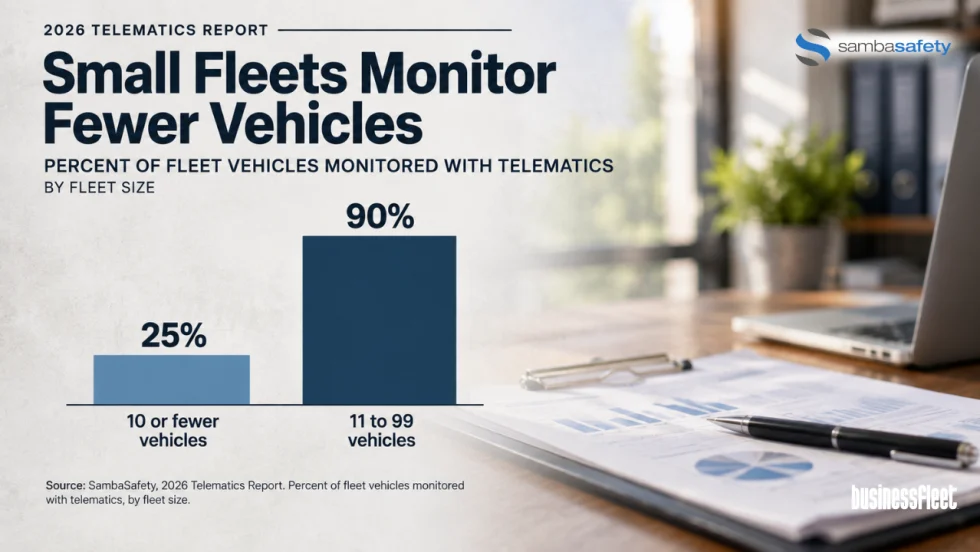
Small Fleets Lag in Telematics Coverage as Industry Moves Beyond Adoption
SambaSafety’s 2026 Telematics Report finds fleets with 10 or fewer vehicles monitor a much smaller share of their vehicles than larger operations, as the industry shifts its focus from collecting data to using it.
Read More →
Back-to-School Traffic Is Not the Risk Fleets Think It Is
Back-to-school traffic does not always mean more crashes. New Empiric Earth data shows why fleets should focus on when and where risk changes.
Read More →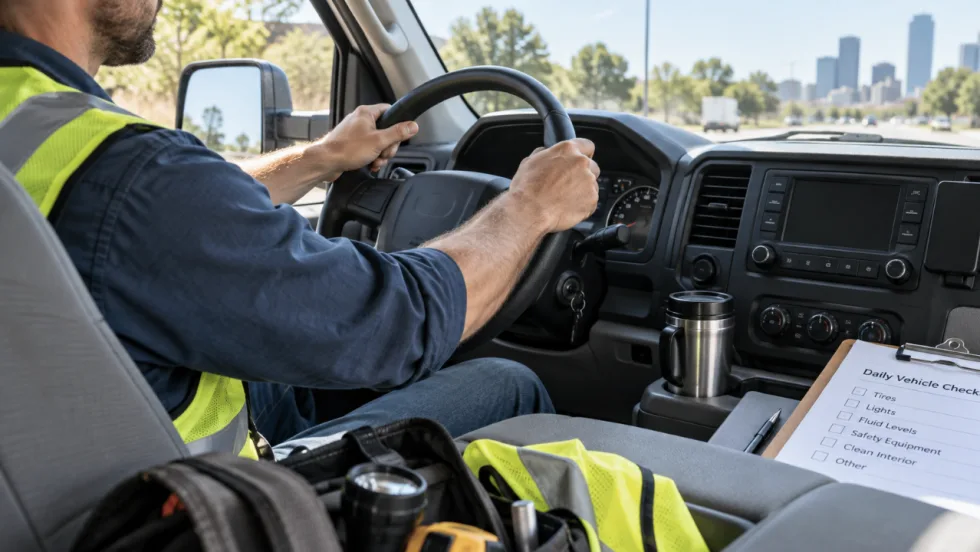
Small Fleet, Big Exposure: How to Reduce Workers’ Comp Risks
For small fleets, one crash can trigger far more than vehicle damage. Here’s how stronger driver safety policies, training, maintenance, and technology can help reduce workers’ comp exposure.
Read More →
Who Makes the Call When Winter Weather Gets Dangerous?
Winter weather can quickly change a small fleet’s plans. Knowing when to reroute, delay, or stop can matter just as much as preparing the vehicles themselves.
Read More →
API Issues Refueling Safety Guidelines
The American Petroleum Institute offers a list of safe vehicle refueling guidelines, including ways to avoid potential problems with static electricity discharges in fall, winter, and early spring.
Read More →
Winter Fleet Prep: Expert Tips to Keep Vehicles Running Smoothly
Cold weather can expose weak batteries, tires, fuel systems, and maintenance gaps fast. Use this winter fleet checklist to prepare trucks and drivers before temperatures drop.
Read More →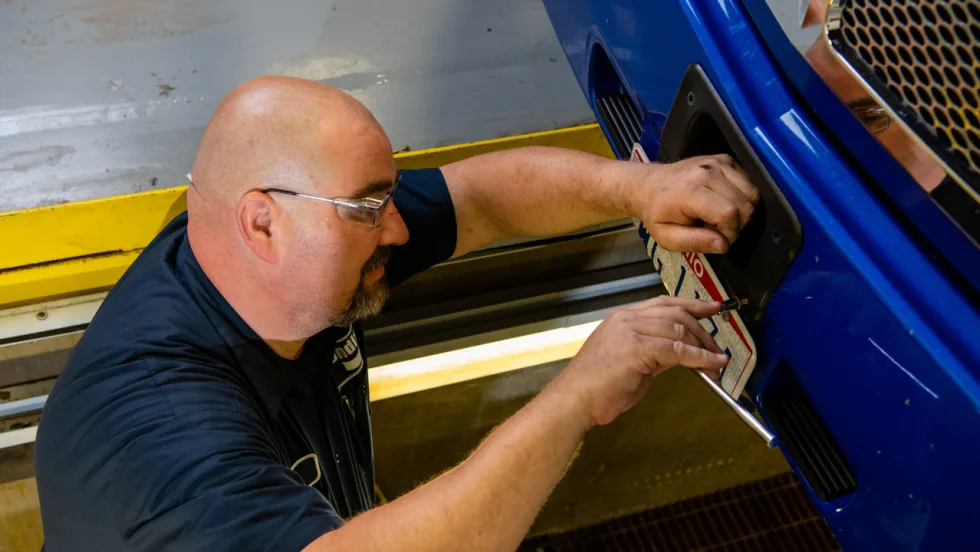
8 ADAS Maintenance Tips for Small Business Fleets From Bendix
A dirty camera, bad alignment, or one loose connection could quietly knock your fleet’s ADAS offline. Here’s what Bendix says to check.
Read More →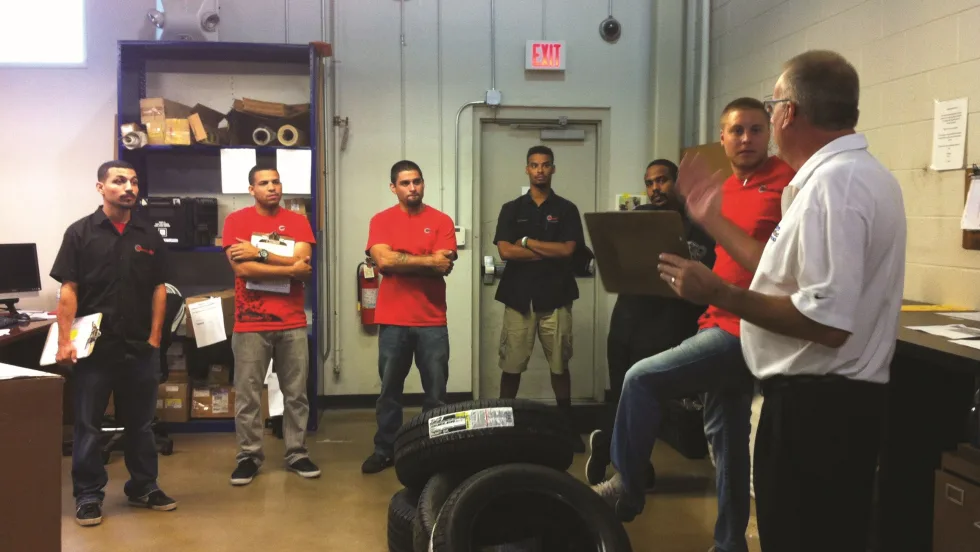
Developing Budget-Friendly Driver Safety Programs
From driver training and safety meetings to one-on-one coaching and incentive programs, several small fleets share how they have developed a safety culture with their drivers using low- to no-cost resources.
Read More →
A 20-Minute Safety Check for Small Fleets Before Operation Safe Driver Week
No safety department? No problem. Here's a practical checklist small fleet managers can use before Operation Safe Driver Week begins.
Read More →
Why Small Fleets Keep Getting Tripped Up by ELD Compliance
Roadcheck revealed a hard truth: most ELD violations aren't intentional. They're caused by small mistakes that can cost fleets time, money, and trust.
Read More →