


Gas vs. Hybrid: A Fleet Analysis
The lifecycle cost experts at Vincentric help put a price tag on greening your fleet.

Vincentric performed a fleet-centric lifecycle cost analysis on hybrid models and their straight-gas counterparts at three and five years.
Photo: Work Truck
We profile Oakhurst Dairy and how it manages its environmental initiatives within the realities of running a profitable business. In addition to switching its trucks to biodiesel, Oakhurst is replacing its sales fleet with hybrid vehicles.
Vincentric performed a fleet-centric lifecycle cost analysis on hybrid models and their straight-gas counterparts at three and five years. Vincentric calculated 20,000 annual miles and gas prices as of Dec. 18, 2006. Due to the low availability of hybrids for fleet buyers, cap costs for hybrids were figured using Vincentric's retail Market Price, which estimates the typical price a retail buyer pays.
Unlike our Lifecycle Analysis chart published every issue, Vincentric included other costs—financing, opportunity cost (the interest income that could have been earned on out-of-pocket costs), fees and taxes (including hybrid tax credits) and insurance—to get as accurate a real world cost per mile as possible. Hence the total lifecycle costs will be higher than those in our usual chart.
As this is strictly a cost calculation, hybrid availability for specific models is not taken into account. Fleets generally have to wait in line for hybrids just like the general public.
Lowest Costs Per Mile
Looking at the three-year totals, the Toyota Prius wins the hybrid lifecycle crown at 41 cents per mile, followed closely by the Civic hybrid at 43 cents per mile.
The hybrid versions of the Toyota Camry, Ford Escape and Saturn VUE all tie for third at 49 cents per mile. Vincentric's analysis found that only one hybrid—the Ford Escape—beat its gas counterpart in cost per mile, with 49 cents for the hybrid and 51 cents for the gas powered.
The Escape hybrid has a reasonable premium over the gas-only version ($3,350 difference in acquisition cost) and delivers an average of 9 miles per gallon better fuel economy as rated by the EPA.
The costs per mile of the Civic and VUE hybrids are virtually tied with their gas models or off by a penny, depending on trim level. The Highlander hybrid, on the other hand, gets an average of 7.5 miles per gallon over the gas vehicle, and carries a hefty $8,979 premium.
Hence the cost per mile of the Highlander hybrid is 13 cents more than its traditional twin. From a strict cost-per-mile standpoint, the luxury hybrids—the Lexus GS 450h and RX 400h—don't make a lot of sense.
The GS 450h has the highest cost per mile of any vehicle in this analysis at 93 cents per mile, a full 14 cents higher than the gas-powered GS 430 and 21 cents higher than the GS 350. The RX 400h suffers a 10–cent differential over the RX 350.
These "performance" hybrids offer more horsepower and more standard features—but they are not the first choice when choosing green vehicles. As a benchmark for all vehicles, the gas-powered Toyota Corolla, with the lowest acquisition cost in this bunch and excellent fuel mileage, beats all hybrids and gas-powered vehicles in this analysis at 37 cents per mile.
In doing any financial analysis of hybrids, it becomes clear that there are plenty of gas-powered vehicles that deliver a better cost per mile than hybrids—and many with excellent fuel economy. {+PAGEBREAK+}
Five-Year Analysis
One might think that aging a hybrid in fleet would bring the costs in line with the gas-powered vehicles by allowing the hybrid more time to recoup fuel savings.
At five years, the hybrids gain only about two to four cents in costs per mile; none overcome their gas-powered counterparts. The biggest gainer is the Lexus GS 450h, which recoups five more cents per mile. Yet this model is still by far the costliest in the bunch.
These Numbers Will Change
The EPA is changing its fuel economy calculations to reflect real-world conditions. Tests show the hybrids suffer a bigger gap between actual and stated fuel economy than gas vehicles. Hybrid tax credits are another moving target.
The tax credit begins phasing out in the second calendar quarter after each manufacturer sells 60,000 hybrids. Toyota passed that milestone in the second quarter of 2006. (The credit for the Prius shrank from $3,150 to $1,575.) Honda will likely reach that mark in Q4 of 2007. Ford has a ways to go.
The Green Price Tag
A corporate green initiative pays ancillary dividends. It shows your employees and clients that your company values the environment, and it can help align your company with a progressive, environmentally-conscious niche in the marketplace.
And, simply, conserving the Earth's resources is the right thing to do. The question is, can you afford it? This analysis will help you put a price tag on greening your fleet with hybrids.
Originally posted on Work Truck Online
More Green Fleet & Sustainability

Fleet Forward Conference Introduces One-Day Passes for 2026
New one-day registration gives fleet professionals the flexibility to attend Tuesday, Wednesday, or Thursday, with passes available for $199 through Sept. 18.
Read More →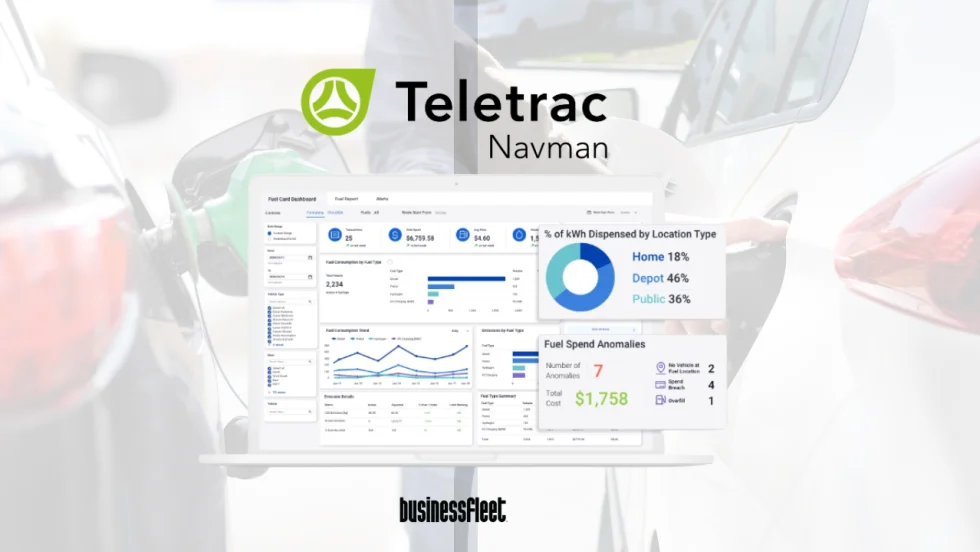
Teletrac Navman Adds Mixed-Energy Tracking to TN360
Energy Hub combines fuel card data, EV charging activity, reimbursements, and vehicle energy use in one dashboard for fleets operating gasoline, hybrid, and electric vehicles.
Read More →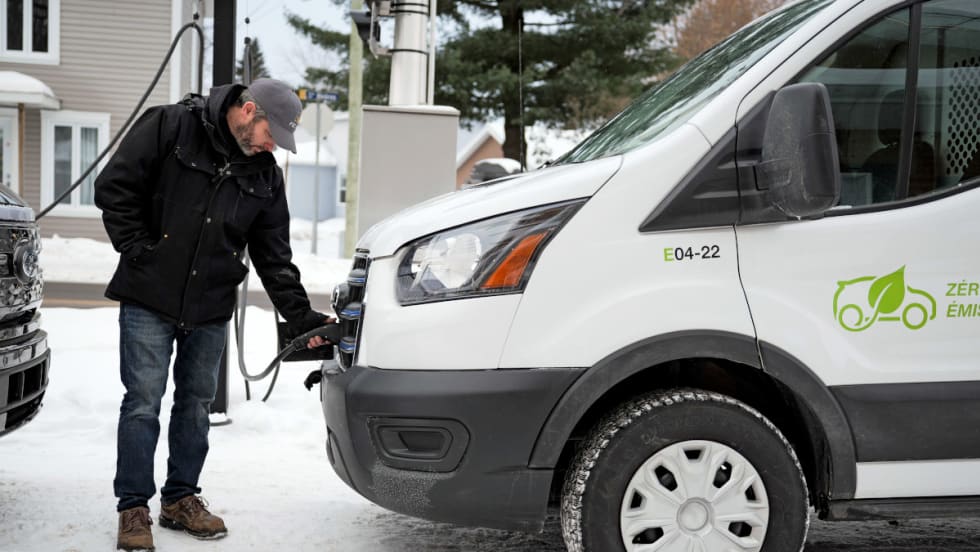
Ford Pro e-Telematics Helps Fleet Track E-Transit Efficiency
Canadian electrical contractor Fize Electrique shares how it uses Ford Pro e-Telematics to drive and track efficiency in the battery-electric Fords in its fleet, mostly comprised of E-Transit vans, even in the brutal cold of winter.
Read More →
How to Maximize Benefits of PHEVs In Fleets
Plug-in hybrid vehicles can reduce fleets’ carbon emissions as well as range anxiety. This analysis shows the positive impacts of proper PHEV use, and the negative environmental and financial consequences if your drivers aren’t plugging them in.
Read More →
How Increased CAFE Standards Will Affect Fleets
The year 2026 will mark a turning point with multiple regulations converging to push for greater fuel economy in cars and trucks.
Read More →
How To Reimburse Electric Vehicle Drivers for Charging at Home
Calculating reimbursement for at-home EV charging requires lots of precision, but several options are available ease the process for fleets.
Read More →
Buying vs. Leasing Electric Vehicles: Pros & Cons
As your fleet plans out its electrification roadmap, consider whether buying or leasing EVs make sense for your needs. Here’s what to consider.
Read More →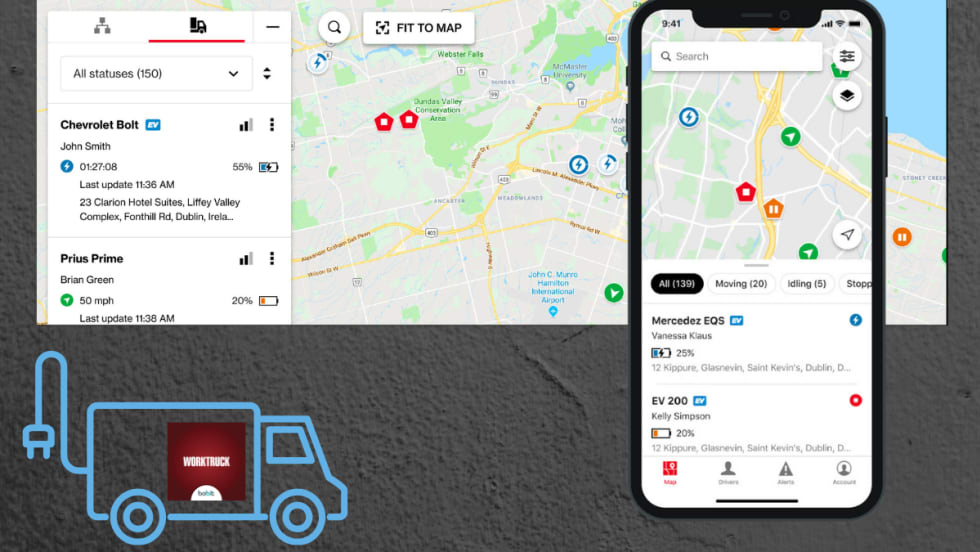
Verizon Connect Adds New EV Features to Reveal
Beginning next month, Verizon Connect Reveal customers in the U.S. and Canada will be able to more effectively support various vehicle types – both gasoline-powered and EVs – in one pane of glass.
Read More →
Jeep Reveals Plan for SUV Electrification
With an eye on becoming a zero-emission SUV leader, Jeep unveils its plans for four new all-electric SUVs in North America and Europe by 2025.
Read More →
Canoo Vehicles Added to Fleet Forward Tour Dallas
Attendees will be able to ride along in the electric Canoo Lifestyle Vehicle (LV) and the Canoo Lifestyle Delivery Vehicle (LDV), along with electric passenger cars, trucks, and vans from eight other automakers.
Read More →